How To Go From ‘Solopreneur’ To Employer And Scale Your Business





Women-founders are more likely to own nonemployer businesses, or be solopreneurs, than men, and their income is suffering because of it, a recent study shows.
Women-owned businesses make up 43.7% of all nonemployer businesses, an increase of 11.8 percentage points from 2002, according to the 2026 Impact of Women-Owned Businesses annual survey from Wells Fargo. They also earn $35,000 fewer than their male counterparts.
The share of men-owned non-employer businesses has dropped 4.1 percentage points during the same period, although they still make up 51.3% of firms in the category.
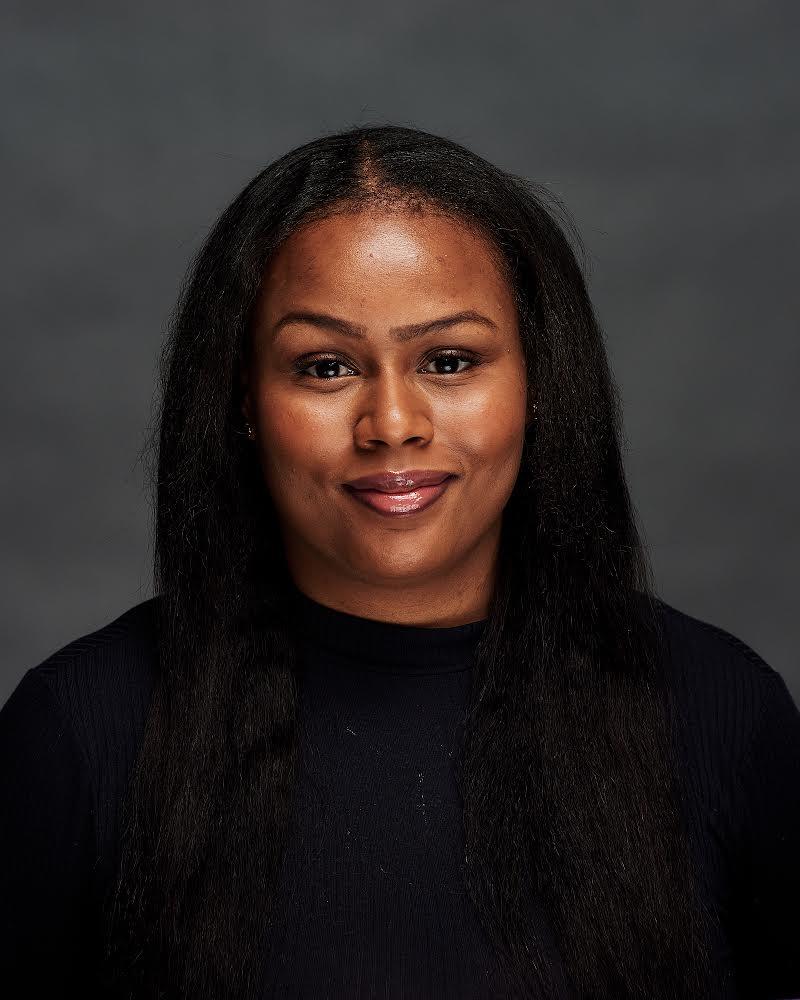
“ Different from men, particularly women – and women of color – our whole lives have been shaped around being the doer,” Dr. Dawn-Nicole McIlwain, founder of ProcuraFind, said. However, she noted, that can have an adverse impact.
“ In entrepreneurship, it’s quite the opposite,” she said. “ You become an entrepreneur when you learn the undoing of doing.”
Her Agenda sat down with three women founders:
Dr. McIlwain, founder of ProcuraFind, which connects small businesses to corporate buyers; Danielle Coke Balfour, founder of Oh Happy Dani, which is a direct-to-consumer discretionary brand; and Khadijah Ndiaye, founder of modest clothing brand Jellabyia, for advice for women-founders to go from solopreneur to employer.

Her Agenda: How did you go from solopreneur to employer?
Dr. Dawn-Nicole: ”There are [state-funded] on-the-job training programs… that are already out there that are designed to help entrepreneurs hire their first person. That is what gave me the chops to finally hire my first person and then my second person. So, my first year of hiring, I hired all my people through this program, which really afforded me this space in the cushion to operate on training wheels and ramp up.”
ProcuraFind was founded in 2023 and now has three employees, she said. The number of employees has changed over time.
Danielle: “ The end of the first six months is when I had one or two independent contractors … were both my friends.”
Cashflow was not an issue for Oh Happy Dani after launching in 2020, and all employees were paid through revenue, she said. While head count has varied, the company now employs a virtual assistant and two part-time employees and renders the services of an accountant and legal expert.
Khadijah Ndiaye: “Every decision around hiring was intentional. I didn’t raise external funds. Instead, I reinvested directly from revenue back into the business. So when I brought someone on, it was because there was already enough demand to support that role sustainably.”
Jellabiya was founded in 2019, and the first employee was hired in 2021, she said. Now, the clothing brand has approximately 20 employees internationally.
Her Agenda: How did your business grow after adding employees?
Dr. Dawn-Nicole: “ Having a dedicated person at the wheel freed me up to go and bring in deals, write grants, and do the things that matter, the things that can’t be duplicated. If the first year, for example, I made $115,000, with a person there, I was able to easily see $450,000 the next year.”
Danielle: ”The demand was always there, but I never had enough hands or time or sharp enough systems to always meet like the high end of the demand.
Revenue became a lot more predictable and consistent [after adding employees]. I was able to focus on things outside of the shop that really helped other income streams be more consistent.”
Khadijah: “Bringing in support had a real impact on my personal life. With [the assistant] handling day-to-day and organization, I was able to create more structure in my schedule. I had time to be with my kids without feeling like I was always split between work and home. And that balance has been just as important as the business growth.”
On the production side, having better coordination with the workshops helped us keep within our timelines more consistently.”
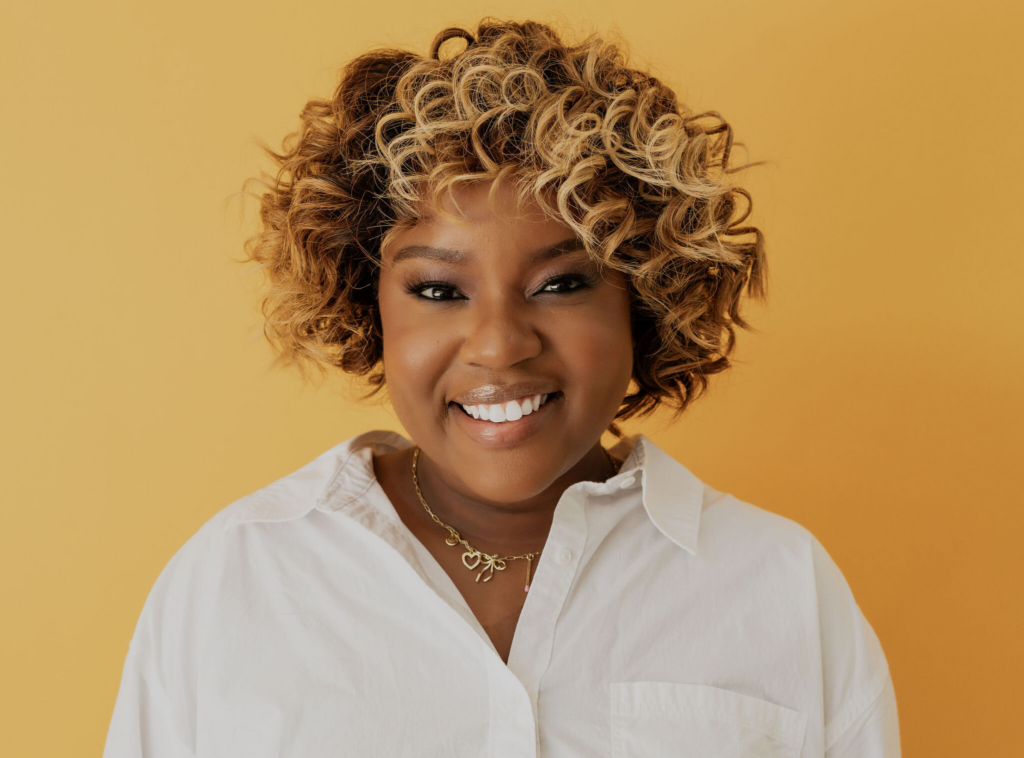
How did you decide which tasks to delegate?
Dr. Dawn-Nicole: ”What I learned is that I knew when I hired my first person that I needed to delegate, but I wasn’t really sure how to prioritize, what to let go and what to keep. You’re gonna write down all this stuff that’s mission-critical. Then cross out the things that you don’t wanna do or the things you wanna give up. With that list, I was able to identify what my person was gonna do and what I was gonna keep.”
Danielle: “ When it came to the day-to-day operations of the business, I realized very quickly that I wasn’t superwoman. …I figured out pretty early on that I didn’t wanna be in the weeds of fulfillment.”
Khadijah: “ I was buried in messages. So, she became essential to running the day-to-day.
She took over customer experience, operational tasks, managing all the [social media] messages [and] emails, organizing incoming orders [and] collecting the measurements [for garments].
That also allowed me to step back from constant back and forth and focus more on design, partnerships, and just creative direction.”
Her Agenda: What did you learn from your experience of adding employees?
Dr. Dawn-Nicole: I cannot be the only leader because the moment you become the only leader, you become the bottleneck.
Danielle: “ I was a bottleneck for a very long time, and the more hands-off I’ve been, the more I’ve been able to invest in other ideas. But this will be six years in operation this year, and I didn’t get to that point till year five.”
Khadijah: “A few things I’ve learned are to start before everything feels perfect. … You figure things out as you go, and waiting too long can slow your growth.
Also, be intentional if you’re hiring. Don’t rush to build a big team, bring on people, when there’s a real need, and the business can sustain it.”
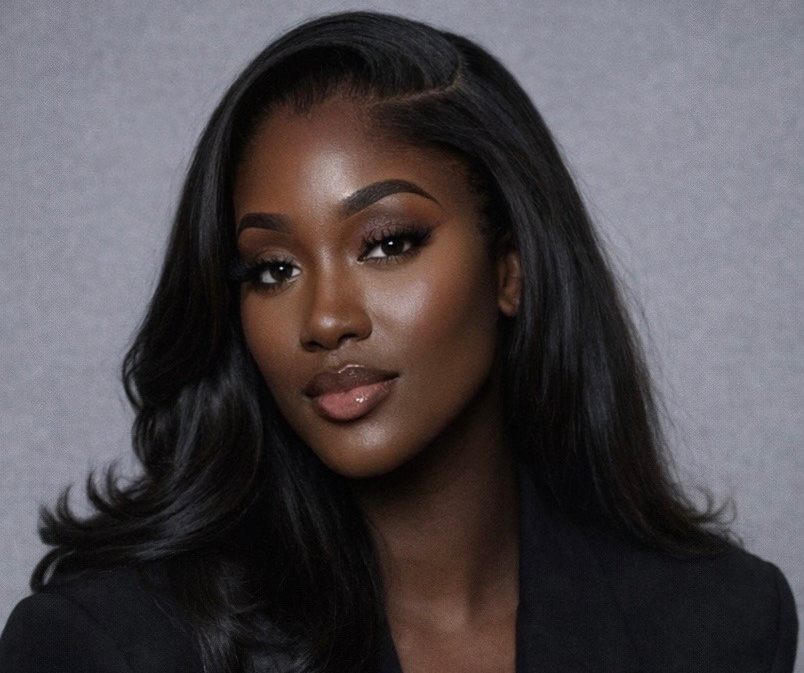
Her Agenda: What advice do you have for women-founders trying to scale their businesses?
Dr. Dawn-Nicole: Try to see very early on where people are naturally leaning towards and don’t make somebody what they aren’t, but meet someone where they are.”
Danielle: “ It’s important to know early on what you do and do not want to do. I also figured out certain types of collaborations that I did not want to do, because even if the demand is there, if your desire to do it is not there, you won’t be doing it for long.”
Additionally, retaining the services of a professional to build out a lot of systems early on would have made a positive difference in her business, she noted.
Khadijah: “Growing sustainably gave me more control, and it also allowed me to build something that’s more solid over time.”