
3 Nutrition Changes That Reduce Age-Related Cognitive Decline

Unsplash




As we age, there’s a quiet, long-standing agreement between us and the universe: certain things will start to slow down over time. Muscles weaken, recovery takes longer, and mental sharpness can slow over time. But is cognitive decline truly an inevitable part of aging? Or is it, at least in part, shaped by our everyday lifestyle choices, long before symptoms appear?
Research suggests that lifestyle factors play a large role in brain health, and nutrition sits at the top of that list. What and how we eat influences things like inflammation and blood sugar regulation, which directly affect cognition, mood, and memory across our lifespan. Cognitive disability, in particular, has long been treated as an issue reserved for older adults. But in one recent study analyzing more than 4.5 million survey responses collected over a 10-year period, researchers found adults aged 18 to 39 nearly doubled their rate of reported cognitive disability—from 5.1 percent in 2013 to 9.7 percent in 2023.
When we talk about cognitive decline, we’re referring to changes in memory, focus, decision-making, and mental clarity. Clearly, it’s a growing problem in the United States and beyond. The issue, however, is that many people wait until midlife or later to make meaningful lifestyle changes. Early intervention can have had a far greater impact. Diet quality and caloric intake, in particular, have lasting effects on both cognition and emotional health, especially during critical periods of brain development and throughout adulthood.
If you’re ready to make necessary changes in support of your brain health, these expert-recommended nutrition changes are a smart place to start.
Change Your Diet
Several diets have been studied for their impact in relation to cognitive health, but the Mediterranean diet consistently shows the strongest evidence. Studies have repeatedly linked higher adherence to a Mediterranean diet with a significant reduction in the risk of age-related cognitive disorders, such as cognitive impairment, dementia, and Alzheimer’s disease.
The MIND diet, which blends features of both the Mediterranean and DASH diets, has also been well studied and linked to a reduced risk of cognitive decline. Both diets emphasize whole foods and healthy fats while minimizing ultra-processed foods, which is where a lot of the cognitive risk begins. After all, several studies have suggested that diets high in ultra-processed foods may worsen age-related cognitive decline and raise dementia risk.
“These diets work largely by lowering inflammation and oxidative stress in the brain while they support the blood flow and the insulin sensitivity,” says Meena Malhotra, M.D., founder and CEO at Heal N Cure. “From a clinical point of view, I see that patients think more clearly and feel more mentally steady when their blood sugar and inflammation are better controlled through diet.”
Unsplash
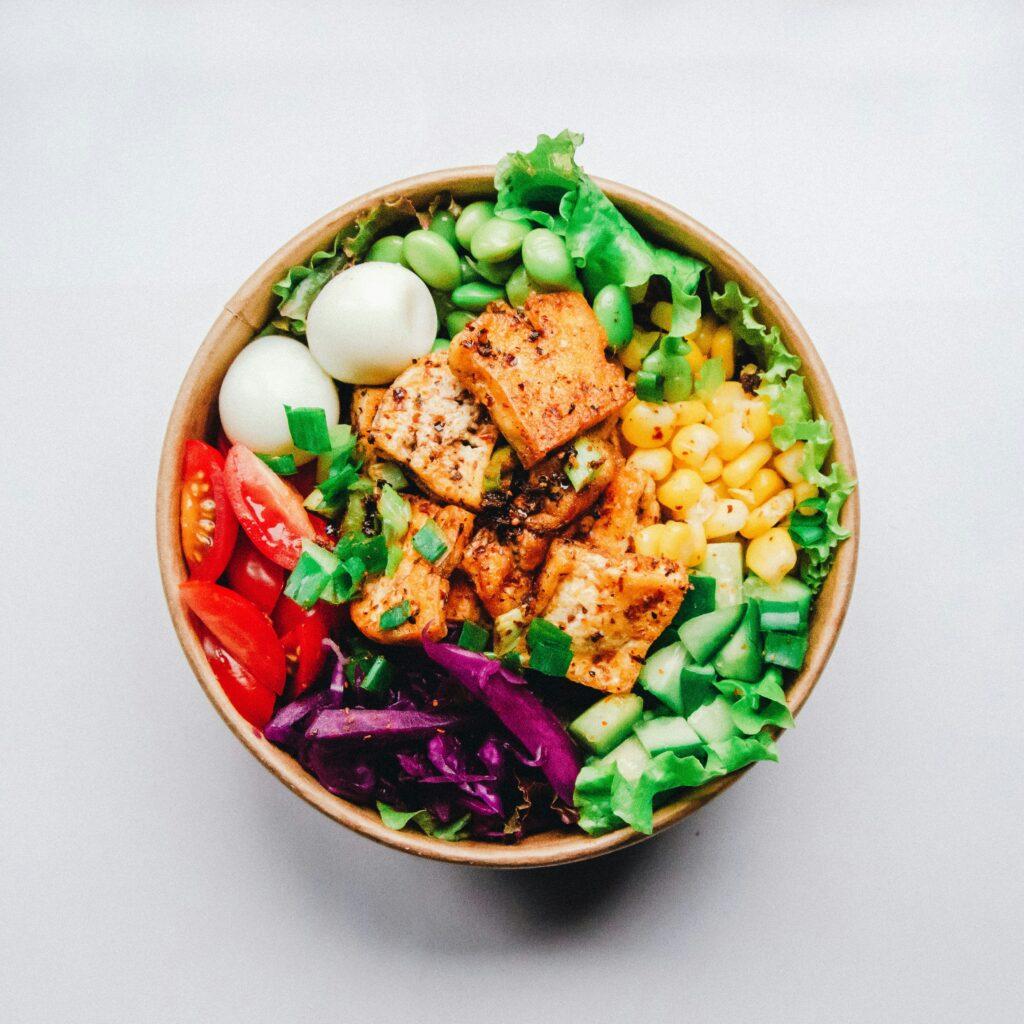
Add Color To Your Plate
“Eat a more diverse diet,” recommends Julia Cooney, M.D., longevity researcher, founder, and CEO at Zest. “A narrow diet reduces microbiome diversity, which is critical for immune function, inflammation control, and metabolic health. Eating the same foods every day isn’t necessarily the best for your brain health, even if they are healthy choices.”
To put this in practice, Cooney recommends aiming for 30 or more different plant-based foods per week. That also means rotating your protein, fiber, and fat sources regularly. If you tend to rely on the same side of broccoli at dinner or early morning apple to get you by, this one’s for you! Try different fruits and vegetables, along with legumes, nuts, and even herbs or whole grains.
Supplement With B12
Vitamin B12 has been extensively studied for its role in cognitive health. This is largely because B12 deficiency can lead to elevated homocysteine levels, an established risk factor for dementia and Alzheimer’s disease. Beyond cognition, B12 is essential for energy production, red blood cell formation, and proper nervous system function. When levels are low, symptoms are often mistaken for stress or burnout rather than a nutrient deficiency. These may include ongoing fatigue, brain fog, low mood, and pale or slightly yellow-tinged skin.
“From a diet perspective, B12 is found almost exclusively in animal foods, such as meat, fish, eggs, and dairy,” explains Rebecca Taylor, MSc, RNutr, a nutritionist at Nutrition Geeks. “Supplementation can also be effective, particularly for those with low intake or increased needs. Dosing should be individualized. I’d recommend testing B12 levels where symptoms are present, rather than supplementing blindly.”