A Deep Dive Into The Women Running For Local Office In 2026





According to Politico, a new wave of women candidates is reshaping the landscape of local politics across the United States, many of whom are mothers. From school boards to city councils, women, particularly younger and more diverse candidates, are stepping into leadership roles at unprecedented levels.
This shift reflects both growing dissatisfaction with traditional political systems and a recognition that local governance is where meaningful change begins. Organizations supporting first-time candidates report record interest from women seeking to influence policy at the community level.
What was once seen as a secondary political arena is now becoming a critical entry point for a new generation of women leaders determined to make a tangible impact in their communities.
A Surge In First-Time Women Candidates

SOURCE: PEXELS
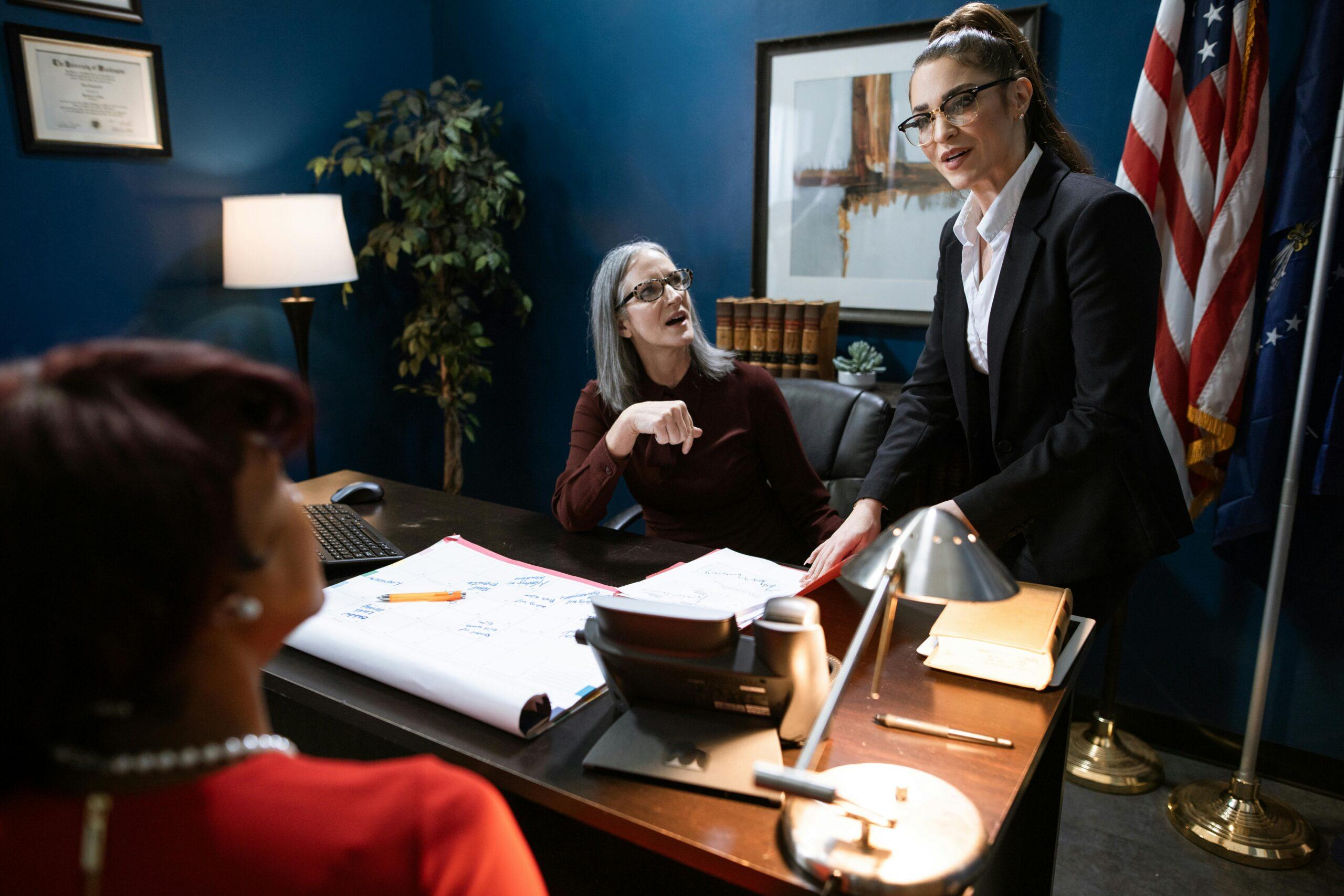
One of the most notable trends in 2026 is the rise of first-time women candidates entering local races. Many are not career politicians but professionals, educators, healthcare workers, and activists motivated by issues like reproductive rights, education reform, and housing affordability. Their candidacies are often deeply personal, rooted in lived experiences and direct exposure to gaps in public policy.
According to Ballot Ready, more women are running for office than ever before, marking a generational shift in political participation. This influx signals a broader cultural change in how leadership is perceived, with more women seeing themselves as viable candidates rather than outsiders to the political process.
Diversity Is Expanding The Political Pipeline
There are 61 women of color in the 119th Congress, as per the Pew Research Center. Black, Latina, Asian American, and Indigenous women are increasingly running for and winning local offices, helping create leadership that more accurately reflects the demographics of their communities.
However, women of color still remain largely underrepresented, despite being the fastest-growing group of candidates in local and state elections, per Rutgers. This shift is significant not only for representation but also for policymaking, as diverse leadership often brings new perspectives to issues such as public health, education equity, and economic development.
Grassroots Campaigning Is Redefining Local Politics
Many women candidates are embracing grassroots campaign strategies, relying on small-dollar donations, social media engagement, and community organizing rather than traditional, high-cost fundraising models. This approach allows candidates without established political networks to remain competitive while building stronger, more direct relationships with voters.
Research from the Brennan Center highlights how small-donor fundraising and digital outreach have become increasingly important tools for candidates without institutional backing. These strategies are particularly effective in local elections, where personal connection and visibility often outweigh large campaign budgets. As a result, the pathway to office is becoming more accessible to women from a wider range of socioeconomic backgrounds.
Persistent Barriers Still Exist

SOURCE: PEXELS
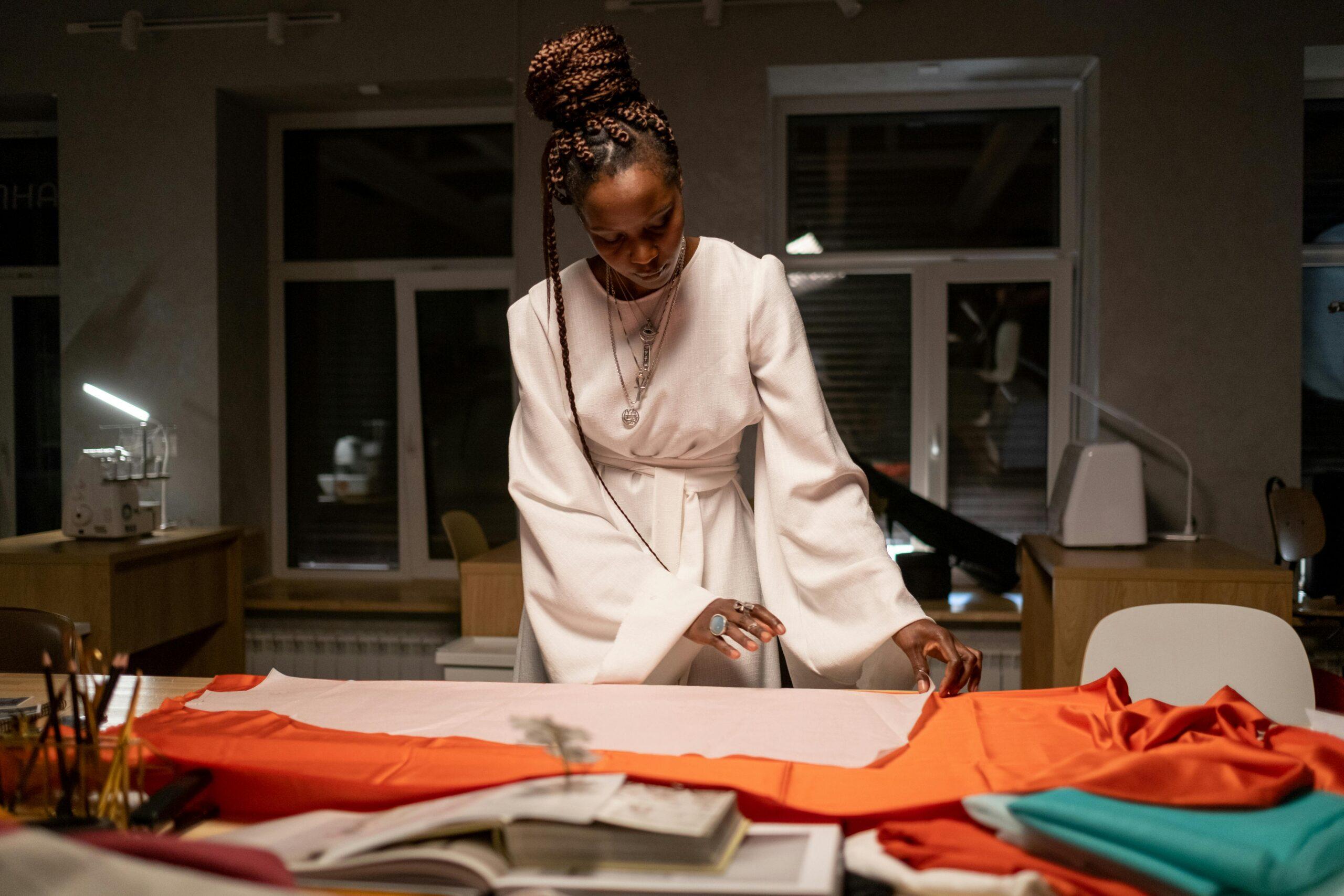
Despite this progress, women running for office continue to face structural barriers. Fundraising disparities remain a major challenge, as men candidates often have more established donor networks. Additionally, gender bias continues to shape voter perceptions and media coverage.
A 2023 report from the Pew Research Center found that women in politics are still more likely than men to face gender-based criticism and skepticism about their leadership abilities. Many women candidates also encounter heightened scrutiny around their personal lives, including family responsibilities, factors that are less frequently emphasized for their men counterparts. These challenges underscore the ongoing need for systemic change to create a more equitable political environment.
Why Local Office Matters More Than Ever
Local governments control policies that directly impact daily life, including public education, policing, housing, and infrastructure. Yet voter turnout for local elections remains significantly lower than for national races, leaving critical decisions in the hands of a relatively small portion of the population.
The National Civic League emphasizes that strengthening local participation, including increasing the number of women candidates, is essential for a healthier democracy. As more women step into these roles, they are not only filling representation gaps but also encouraging broader civic engagement and accountability at the community level.