Black Women In Mississippi Name Economic Strain, Public System Failures, And A Vision for Wholeness





PRESS RELEASE — The Highland Project, in partnership with Brilliant Corners Research & Strategies and Springboard to Opportunities, today released its new poll, Making Joy Possible: Black Women Voters in Mississippi. The nonpartisan poll builds on years of national research into the economic outlook, priorities, and lived experiences of Black women voters by The Highland Project and Brilliant Corners Research and Strategies, now turning to Mississippi in 2026.
The poll finds that Black women in Mississippi hold a clear vision of what makes life whole, alongside a precise understanding of the economic, civic, and public system barriers standing in the way. Nearly 9 in 10 (89%) are dissatisfied with the country’s direction, 90%say economic conditions are getting worse, and 75% say they are highly motivated to vote in the 2026 midterms.
“What stands out in this data is the clarity. Black women in Mississippi are deeply dissatisfied with the direction of the country and the economy, but they are not disengaged or confused about what is happening,” says Cornell Belcher, founder of Brilliant Corners Research & Strategies. “They are naming systemic barriers, public system failures, and a set of priorities that often differ from the dominant narratives about Mississippi and the South.”
The South has long been central to this country’s political and moral imagination, and Black women in Mississippi have consistently shaped the movements, strategies, and civic courage that define American democracy. For six years, The Highland Project has built one of the most significant bodies of research on Black women voters in America, building a research base of more than 4,000 Black women. The work does not just capture data; it captures what they have long known, carried, imagined, and led.
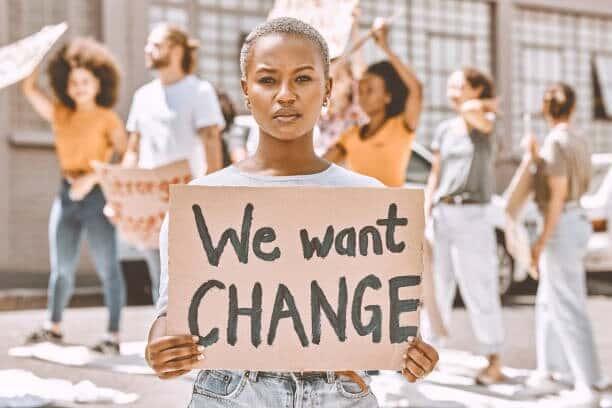
With 55% saying their wages are falling behind the cost of living and 44% saying they often experience racism and discrimination in daily life, Black women in Mississippi reject the idea that economic struggle comes down to personal failure. Asked what holds people back, they point to the absence of good-paying jobs, an economy stacked unfairly, racism and discrimination, assistance programs that fall short, and unequal access to quality education.
Many describe public assistance as inadequate, exhausting, and at times degrading: 61% say the help was not enough, 61% say the process was stressful, and 40% came away feeling disrespected. Beyond their own experience, 76% say lawmakers do not listen to Black women when they design these programs.
The findings point to a dignity gap and a need to build public systems around the lived experiences of the people who use them.
“Black women in Mississippi are offering more than a warning. They are naming what wholeness requires — faith, family, financial peace, dignity, health, belonging, and joy — and they are naming with precision what is breaking it,” says Gabrielle Wyatt, founder of The Highland Project. “This poll is a reminder that multigenerational wealth is not only about what people earn or own. It is about whether families and communities have the conditions to live fully.”
Top concerns include the erasure of Black history, the war with Iran, ICE and due process, the rising cost of basic needs, including healthcare, and the economic squeeze on farmers and families. Collectively, the concerns trace what Black women in Mississippi are determined to protect: their history, their health, their rights, and the futures of their families.
Key findings from the Making Joy Possible: Black Women Voters in Mississippi also include:
- The erasure of Black history tops their concerns. 71% say they are very worried about it.
- Health care weighs heavily. 67% are very worried about the affordability of care.
- Racism and discrimination remain daily realities. 44% say they often experience racism and discrimination in daily life.
- Voting rights feel vulnerable. 58% are very worried about threats to the right to vote.
- Illegal immigration is the least of their worries. Only 15% say they are very worried about too many people immigrating illegally.
If their worries show what they are trying to protect, their definitions of success and joy show what they are trying to build. The poll reveals a vision of prosperity that extends beyond any single economic indicator – one rooted in faith, family, financial peace, dignity, health, belonging, and joy.
Many women tie financial security far more closely to joy than to success. For them, having enough money is less about status than about peace, breathing room, and the freedom to enjoy life.
“One of the clearest insights in this data is the distinction Black women make between success and joy. Success is often tied to financial security and the ability to meet responsibilities, while joy is connected to peace, freedom, rest, creativity, and meaningful relationships,” says Aisha Nyandoro, Founder and CEO of Springboard to Opportunities. “That gap matters. It reminds us that thriving is not just about surviving financially, but about creating the conditions for people to experience fullness, dignity, and wellbeing in their everyday lives.”
What the data makes clear is that Black women in Mississippi are not retreating. They are calling for a collective path forward rooted in dignity, well-being, and care. These are not secondary concerns set apart from the economy; they are inseparable from it.
This poll is part of The Highland Project’s multi-year research effort to translate Black women’s economic, civic, and well-being perspectives into a broader vision of multigenerational wealth and opportunity. To view the full poll, Making Joy Possible: Black Women in Mississippi, please visit here.
About The Highland Project
The Highland Project is a values-aligned coalition designing and leading a multi-generational vision of wealth and opportunity for all, anchored in belonging, abundant choice, thriving health, and financial freedom. Founded in 2020, the organization builds and sustains a cross-sector and intergenerational coalition of leaders who are redefining the future of wealth and multi-generational opportunity for all. To learn more, visit thehighlandproject.org.