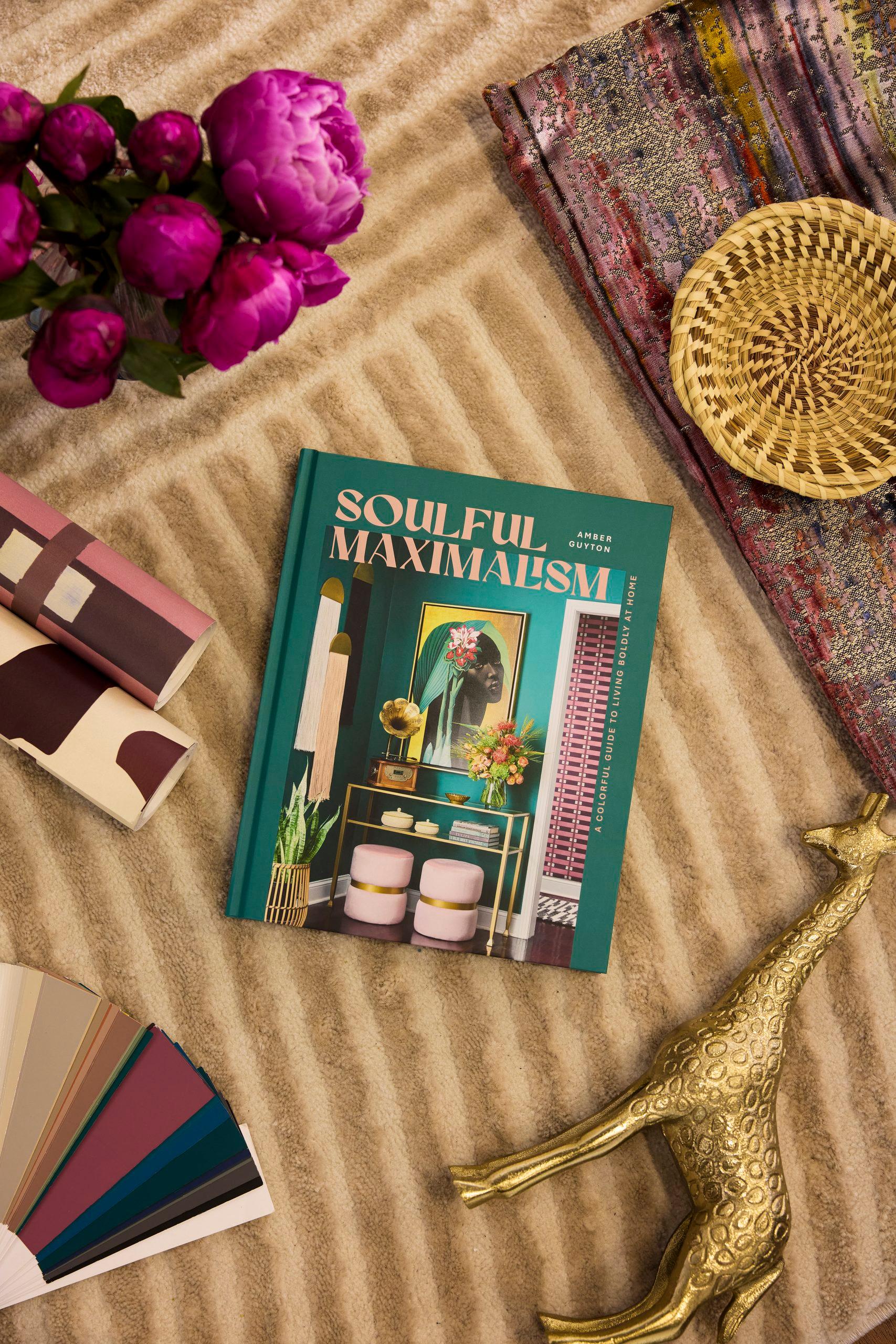
Book Review: ‘Soulful Maximalism,’ An Invitation To Fill Your Space With You


When I first opened Amber Guyton’s debut interior design book, “Soulful Maximalism”, I felt wonder; I felt exuberance; I felt boundless; I felt whole; and I felt all of it in abundance.
Is this what the award-winning interior designer, content creator, and product designer/curator meant when she coined the term “Soulful Maximalism” to describe her aesthetic?
“People would always ask me what I called my design style,” Amber told Her Agenda, “and I just couldn’t figure out how to explain it: it’s bold, it’s colorful…a little boho glam but also contemporary.”
However, what she did know, upon choosing to turn her brand Blessed Little Bungalow (BLB) from side hustle to full-time during the pandemic, was what she wanted it to evoke.
“I want people to feel good in their homes,” she explained, “I want there to be an emotional reaction. I want to be able to ignite all the senses, not just your sight…the way a space smells, how the surface feels, and the music that’s on…I want your home to feel like a warm hug.”
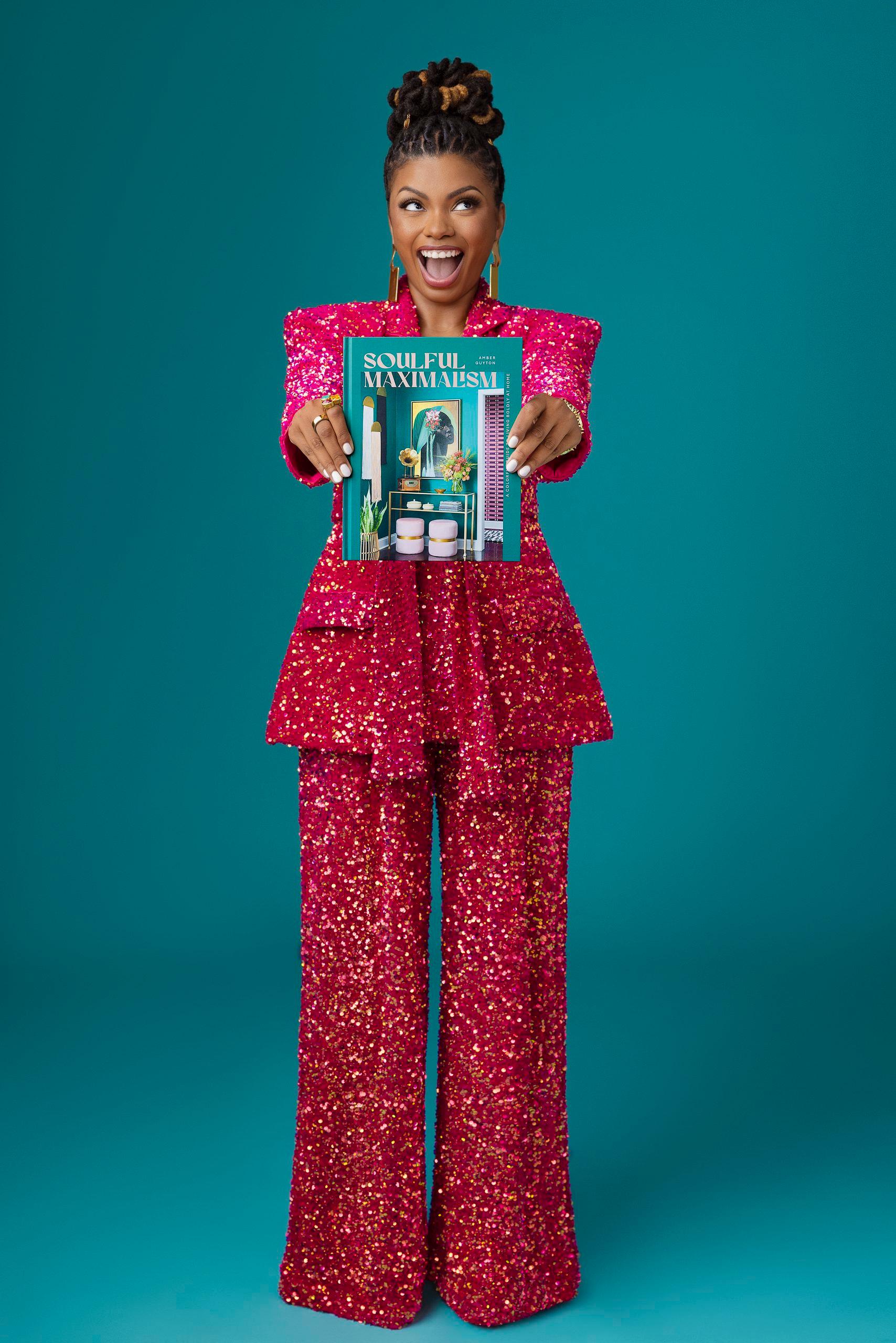
The book, which hit stores on October 6th, centers around four foundational pillars of design:
1. Joy: Does It Make You Happy?
The first Chapter, “Home: A Joyful Celebration Of You,” opens with the idea that your home should not only look good. It should feel good as well.
As Amber elaborates in her conversation with us, this “is in the eye of the beholder.” For her, joy looks like bold color and dynamic patterns; for others, it may come in the form of spa-like neutrals.
Design is as personal as art and fashion: “Whatever makes you comfortable and makes your heart sing”.
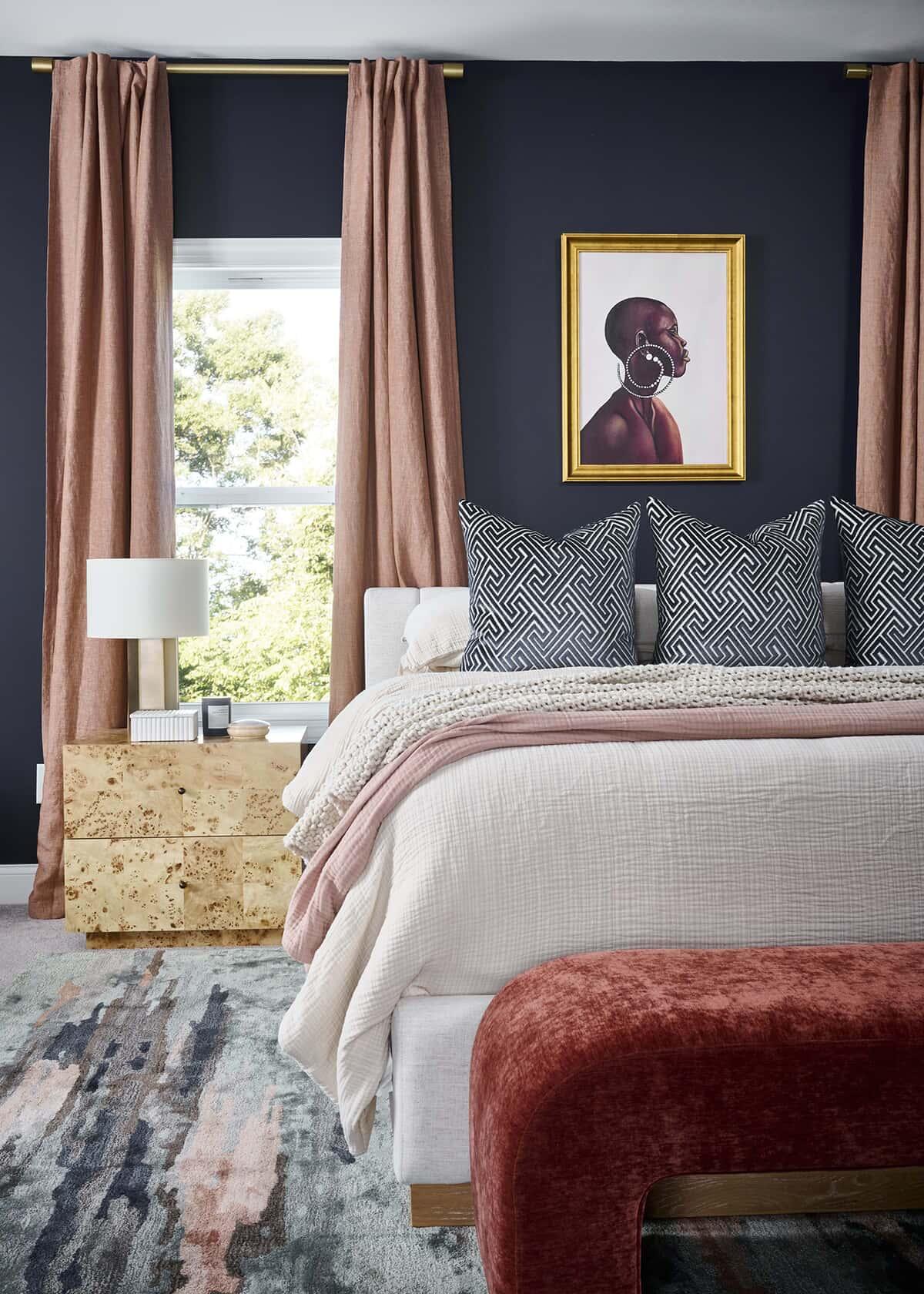
2. Culture: Does It Reflect What Makes You You?
The second chapter focuses on storytelling. The book includes several images from the homes of BLB clients, and just by looking at the pictures you get a clear sense of who they are: from the wedding-day broom hung in the living room of a newlywed couple, to the divine 9 mementos in the accent wall of a basement living space, to the display set creations on the coffee table of a LEGO enthusiast.
“Your home should be a love letter you write to yourself,” Amber noted. “You should feel seen, safe, comfortable, and celebrated in it”.
That’s because your home shouldn’t be for anyone else (“not your in-laws, not your friends, not whomever on the internet”), but you.
“If it’s for everyone, then it’s for no one,” she clarified.
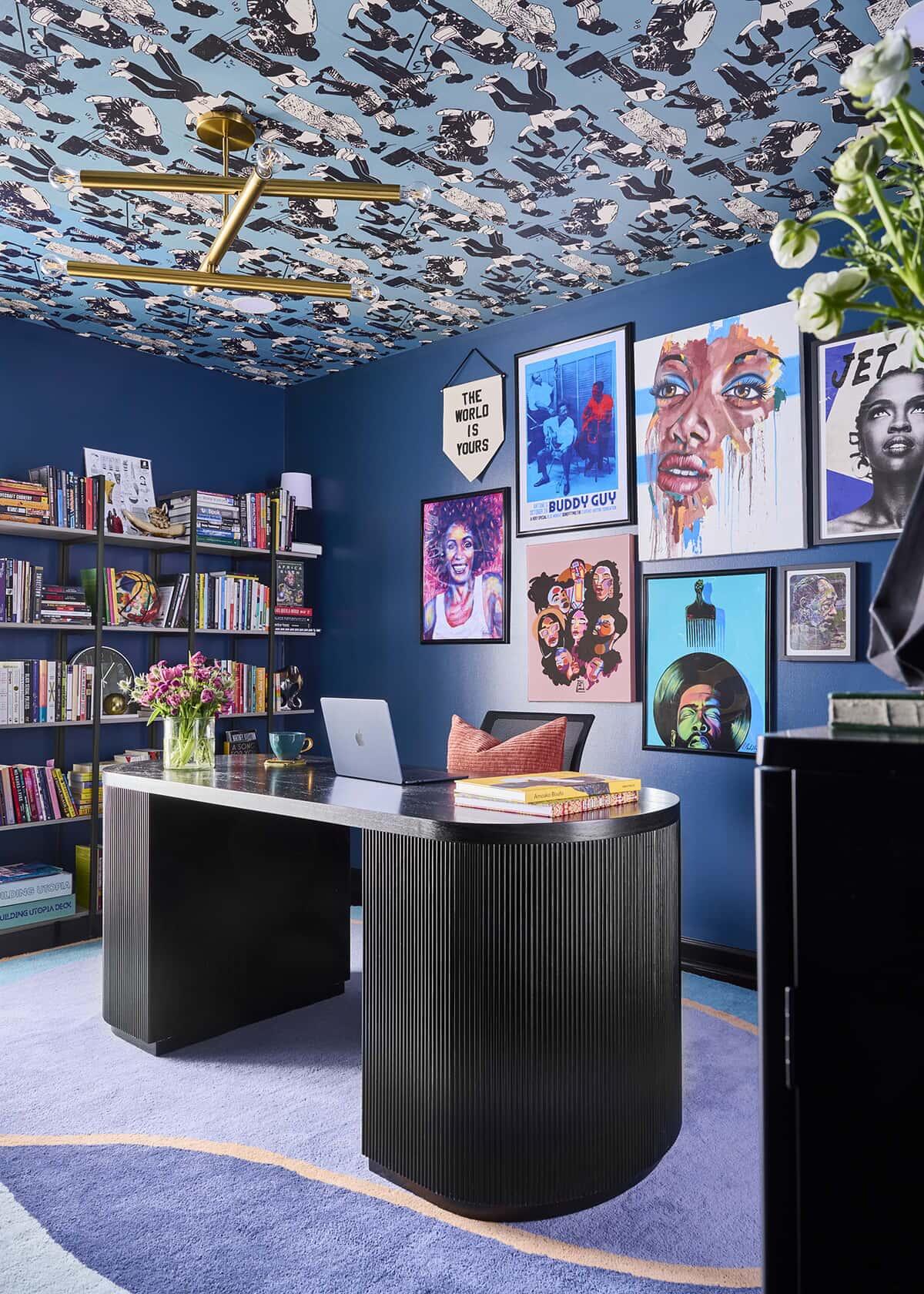
So what story does Amber’s home tell? The last chapter of the book walks us through the author’s own “Bungalow in the A”, a personal sanctuary that includes art featuring black faces, photos of her nieces and nephews, a botanical wall mural of her favorite plants, a nostalgic Somerset pendant light that reminds her of Waffle House (her fave!), and one of her favorite design features: the wallpaper ceiling, throughout.
“You’re gonna know who I am, what I value, my faith, my interests, my habits, and hobbies,” she disclosed.
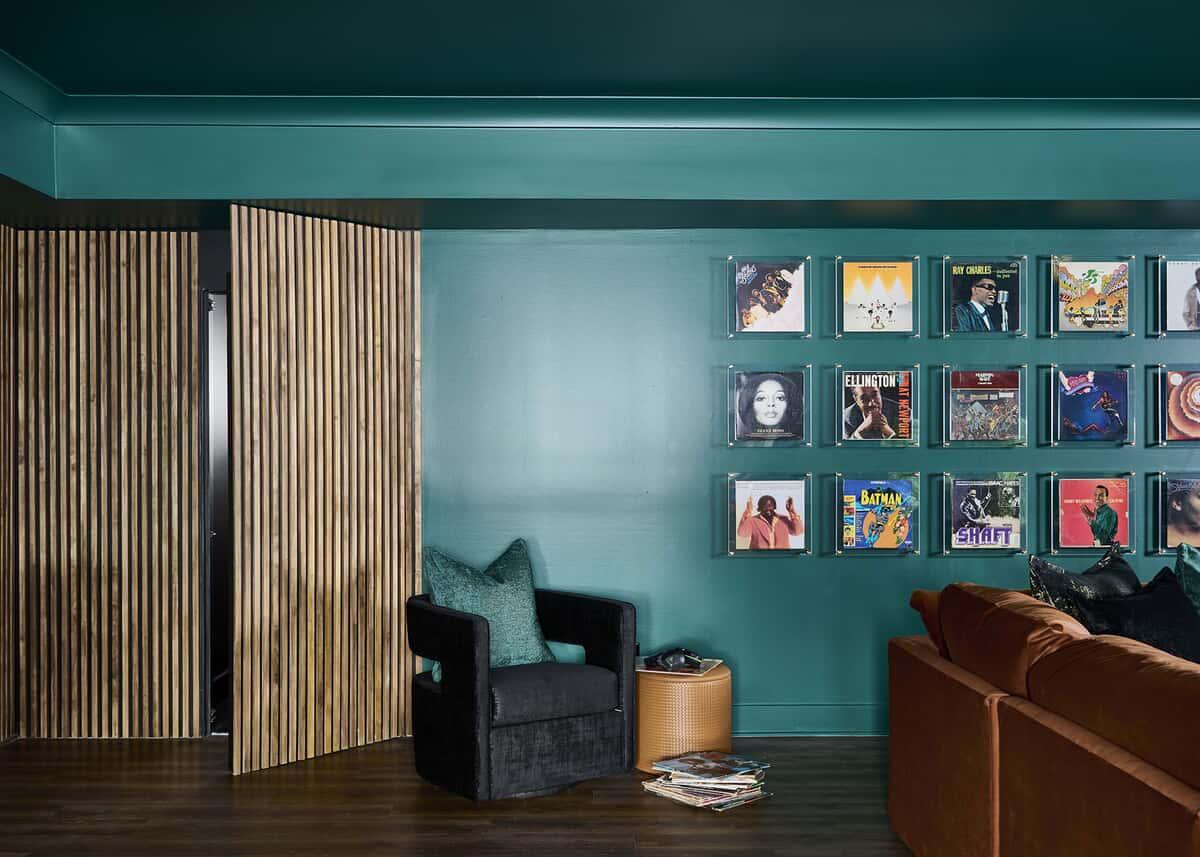
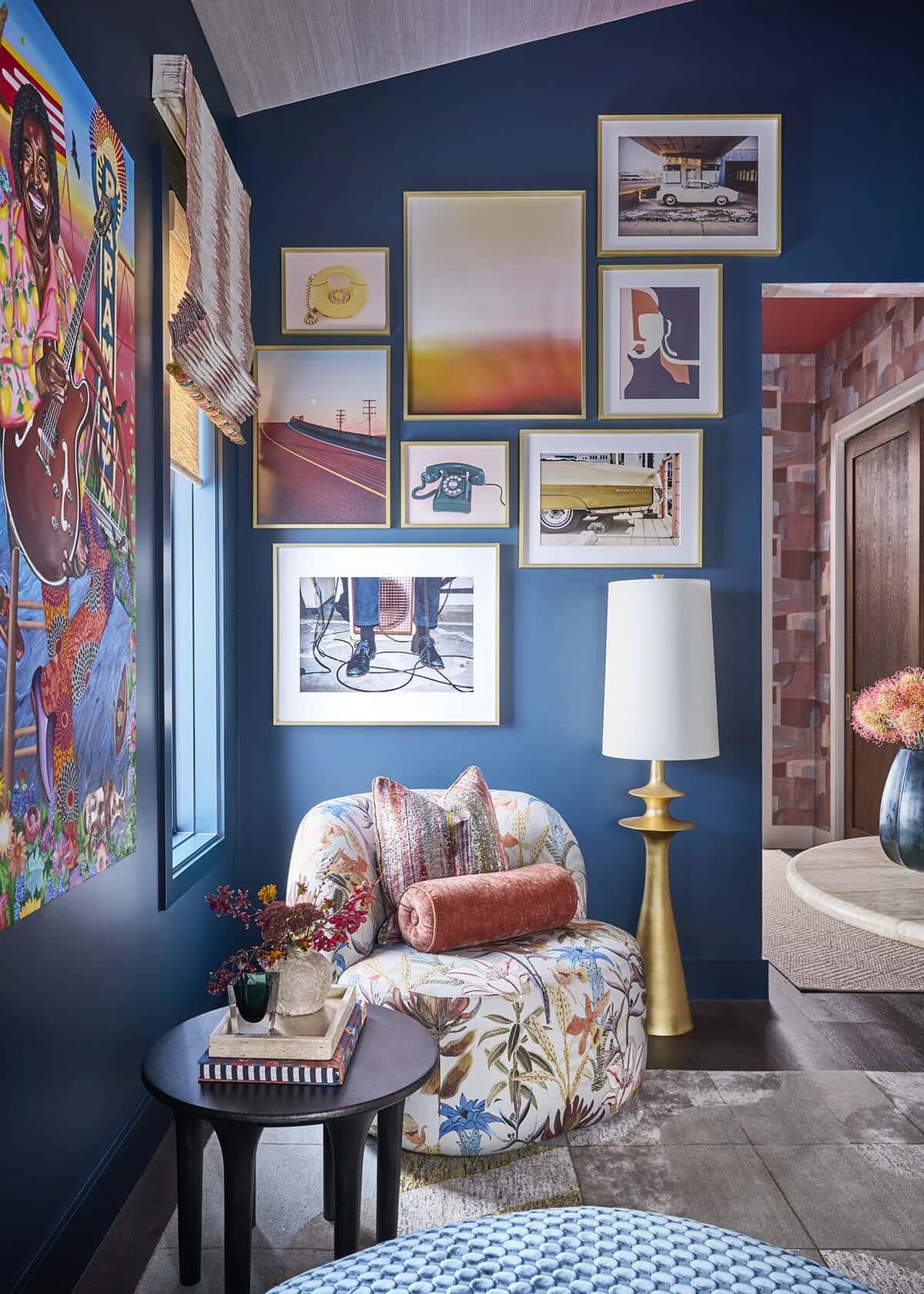
3. Layers: Is The Use of Color/Texture/Pattern Thoughtful?
When people think of maximalism, they often think of clutter.
“To me,” Amber countered, “it’s actually the opposite. To be a maximalist, and do it well, you have to have restraint.”
Effective maximalism is about balance, which requires editing. We see this throughout the book: The “rule of three” with the items arranged in an end table, geometry via precisely measured gallery walls, the role of function (i.e., seating should sit, storage should store, and walkways should flow), before style.
“There’s a way to do it that’s elegant and purposeful so it doesn’t feel overwhelming,” she explained. “You have to tailor the maximalism to the person. It’s not a one-size-fits-all.”
4. Intention: Has Every Item Earned Its Place?
This all starts with intention. The book does a great job of highlighting how everything in your house should have meaning and/or serve a purpose. Whether that comes in the form of collectibles, art picked up during travels, vintage photos and family heirlooms, or simply the fundamentals: a comfy couch that you can melt in, a dining table perfect for gathering, and a living room your kids can actually live in.
Creating this takes time. While anyone who’s moved into a new space has felt the impulse to fill it up immediately, Amber encourages living in it for a while, getting a feel for it, before making big purchases and investments.
For example, seeing how much sunlight her bedroom gets during golden hour helped inform Amber’s decision on paint and lighting.
She also encourages you to try things out before purchasing: “Sit on the sofa. Is it actually comfortable for that $3000 price tag?”
But what if you get the wrong thing? “Then, it’s also not the end of the world, right? You are allowed to change your mind.”
Interior design, she believes, is a living, breathing thing. There is no such thing as a “forever home” because the design and decor of your home should grow and evolve, just like you do.
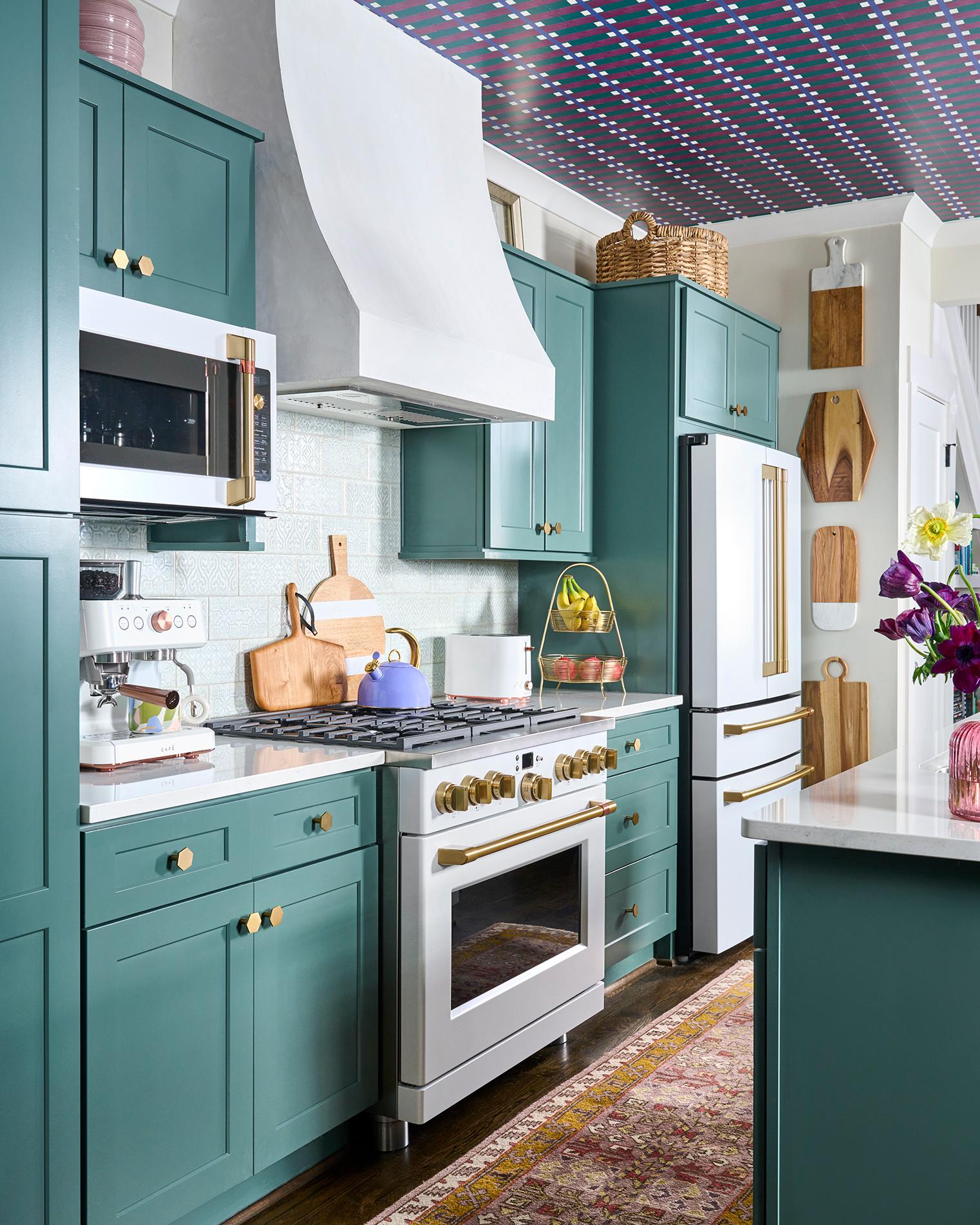
“Soulful Maximalism” is more than just a coffee table book with beautiful pictures; it tells a story, it guides you with expert tips and resources, and most importantly, it invites you to fill your space with YOU, as deeply layered as that may be.
The book is available for purchase here.