How To Build A Creator-Led Marketplace On TikTok Shop To Move From Content To Commerce





The creator economy has established itself for about a decade now, with influencers and content creators designing unique career paths for themselves. This has evolved to a marketplace where products are promoted by these internet personalities with substantial followings.
They build trusted brands and communities that share in that trust, and unlike traditional DTC brands, they capitalize on this authenticity and trust to build something sustainable.
However, as platforms became saturated with multiple influencers promoting the same products, creators began to ask questions like: why promote someone else’s brand when they could build their own? These businesses often cater to niche markets.
This shift is reshaping the entire e-commerce landscape, as modern consumers are more likely to trust recommendations from real people. Creators can now sell directly to their followers with the trust they’ve built.
How To Transition From Content Creation To Commerce

This transition is incredibly beneficial because of the good fit, which includes:
Community: leveraging the direct communication channels with their audience through email lists and private communities, this direct relationship creates stronger connections and stable revenue opportunities. Creators bring a built-in customer base. The businesses can tap into their loyal audience from day one.
Trust: Audiences are increasingly skeptical of traditional advertising. But when a creator they trust promotes a product they’ve developed, it feels more personal and believable. Trust sells.
Control: Owning a brand gives creators more ownership over their revenue streams. No more pitching for deals or negotiating contracts with brands. It also allows them to diversify their income, an essential step for long-term sustainability.
Leveraging these benefits, you as a creator can build a sustainable business.
The Business Basics
The first thing is understand the business basics. From liability to tax implications, you need to understand the business industry and how that impacts what you want to build. There are many online resources and courses to help you with this process. It’s essential you get it right.
Additionally, it’s important to find the balance between being creative and knowing the economics. Creativity is the source, but the business know-how moves the needle towards sustainability.
Choosing A Business Niche
While there are a lot of different ways to make money online, not all are viable. To create a business as a creator, you have to assess your community and potential target audience in order to choose the right business ideas.
Many successful creator-led brands are rooted in personal stories and their community’s needs. Whether it’s skincare born from a beauty creator’s own struggles with acne, or a cookware brand from a food lifestyle content creator.
A good example of a creator-led brand includes Ali Abdaal, a productivity-centered YouTuber releasing a Book and App on Productivity.
How To Monetize Strategically
As a creator, the platform you create content on might determine where and how you sell your products. For TikTok creators, the TikTok Shop is the best way to monetize their content.
Creating A Tik-Tok Shop
TikTok isn’t just a marketing channel; it’s a full-scale launchpad. Viral content can translate to massive sales spikes, and TikTok Shop closes the loop between content and commerce. You can set up a TikTok shop in a few simple steps:
- Set Up A TikTok Seller Account
- The Logistics – Upload your documents and bank account details
- Choose The Products To Sell
- Present Your Products Through Content
- Manage Orders and Shipping
How Professional Women Benefit From Creator-Led Marketplaces
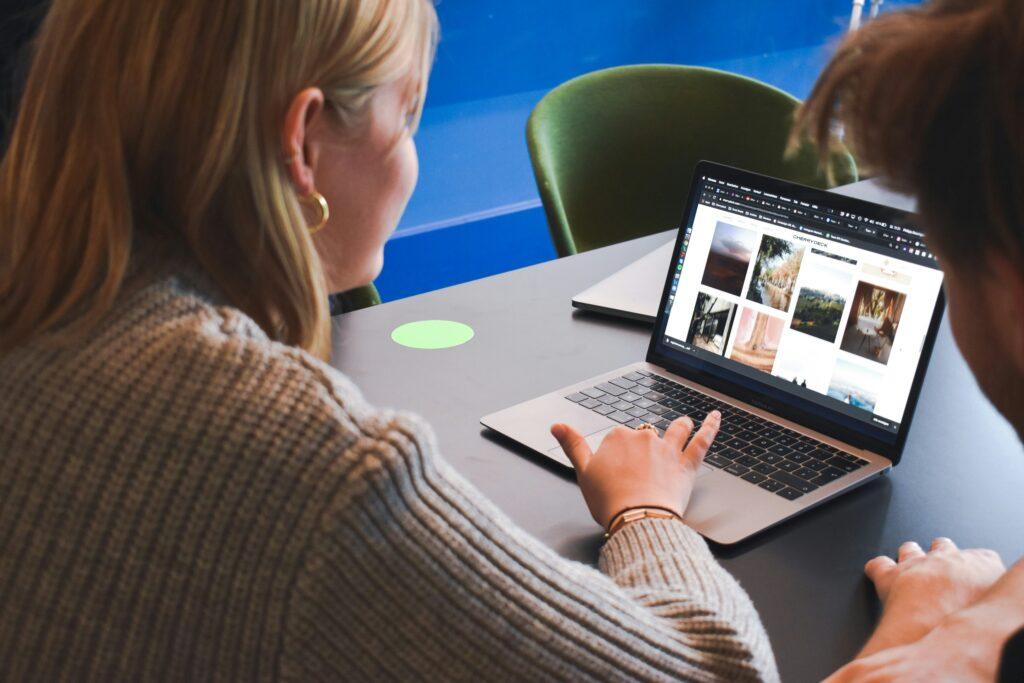
Creator-led marketplaces offer professional women a practical path to income, ownership, and flexibility. By monetizing existing expertise and trusted audiences, women can build businesses without large startup capital or traditional gatekeepers.
Platforms like TikTok Shop make it easier to test ideas, sell directly, and scale gradually. This model also supports flexibility, allowing creators to balance commerce with careers. Most importantly, owning a brand provides long-term control over revenue, reduces reliance on brand deals, and creates sustainable income through products, communities, and digital offerings.