Understanding Undertones: Finding What Makeup Suits You Best





We often understand undertones as being a fixed factor. As one proverb goes, if you wear gold jewelry, you have warm undertones, wearing silver jewelry means cool undertones, and if you look good in both, you have neutral undertones. Or maybe you’ve seen those personal color analyses of a professional draping colorful sheets across someone’s body in the quest to find what cool or warm tones complement them best.
The truth is that undertones, like color, aren’t absolute and certainly not when it comes to our skin. Undertones are the subtle color underneath your skin’s surface. It may pull yellow (or warm), pink (or cool), or even green. “[Undertones]” can be very complex,” Alphonse Wiebelt, co-founder and creative director of ESUM Cosmetics, told Her Agenda in an interview. “Especially when it comes to working with deeper complexions, you’re going to start to see more varied undertones.”
Perhaps we all know such from the massive mishap of the now-defunct beauty company Youthforia, which sent the darkest shade of their foundation to beauty influencer Golloria, in which she described the shade as “tar in a bottle.”
Monica Ravi-Conway, a software engineer turned full-time beauty influencer with a platform of over 3 million followers across TikTok, YouTube, and Instagram, says that she started to make “brown girl-friendly” educational beauty videos after seeing a lack of beauty content made with Southeast Asian women in mind.
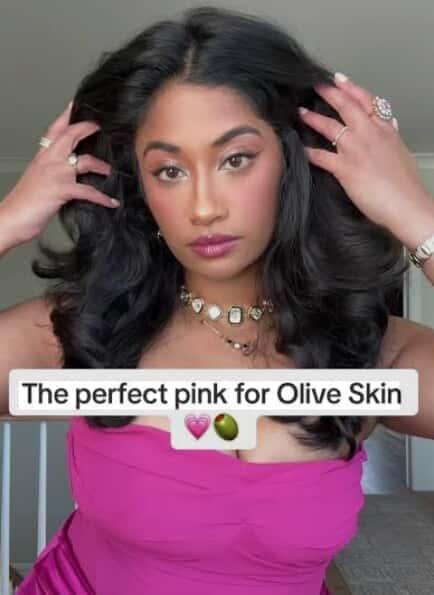
“When I went to Sephora, none of the shades would match me, especially back then in the early 2010s era of like me trying to learn how to do my makeup, there weren’t really many shades back then,” Ravi-Conway told Her Agenda. “It’s gotten a lot better with the undertones and the darker skin tone shades…But the problem is the lack of understanding of undertones, and for women of color.”
Monica has gone on to consult for major beauty brands like Danessa Myricks and MOB Beauty on making their products more inclusive—from complexion products to lipsticks. She says that color is relative because we’re constantly seeing different things against different backgrounds, such as indoor artificial lighting versus natural outdoor light.
While it’s true that certain ethnicities tend to lean towards one undertone more than another, it’s not always a hard and fast rule. For example, many people fall into the “olive” undertone, which is an in-between of cool and warm tones, but different than neutral.
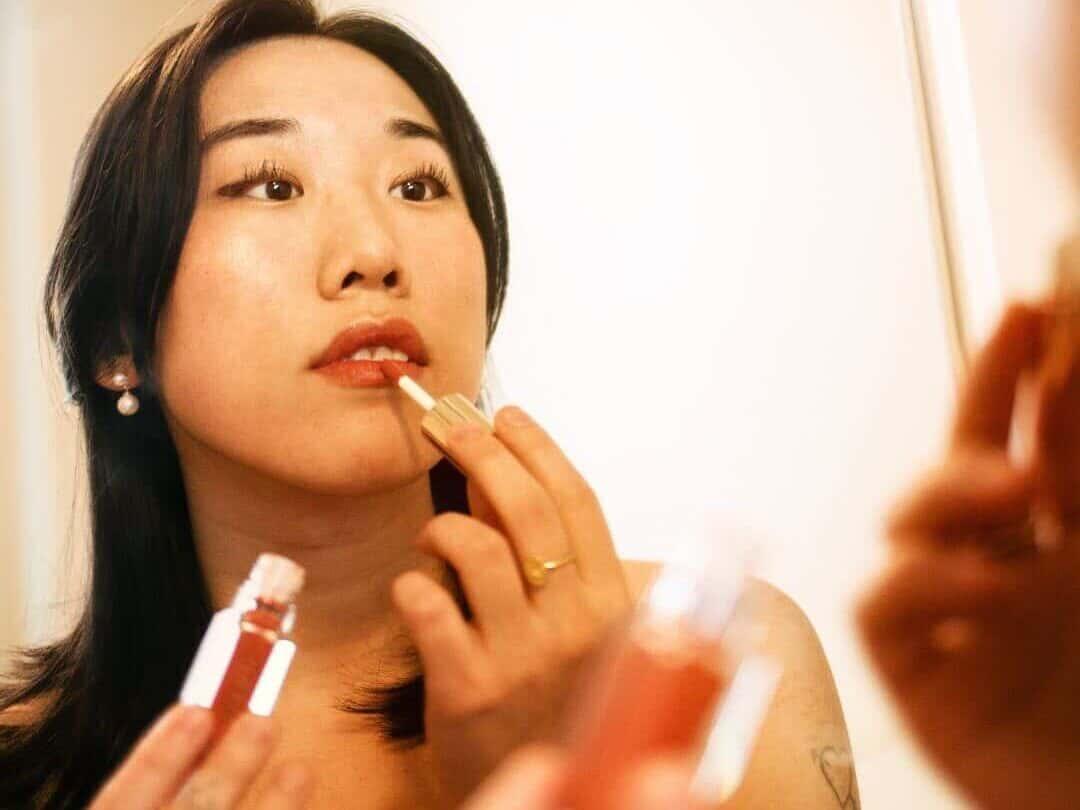
Understanding undertones isn’t only helpful for shade matching, but it’s also a useful rubric for figuring out which colors flatter you the most. One could find a color that complements their skin, or go bolder and find something that contrasts with their skin.
“People generally look at the overtone of their skin. An overtone might be when you look in the mirror, you’re going to see maybe like pink or redness in your cheeks, said Alphonse. “The opposite of olive complexions would be shades that have a little bit more blue—blue, meaning pinks and raspberries. It’s going to pop a little more.”
Aside from wearing warm or cool jewelry, you can also determine your undertone by how your skin reacts to sun exposure. If you burn easily, it may indicate cooler undertones, while warm undertones tend to tan. If you burn then tan, then you may have neutral or olive undertones.
Whether you’re trying to find that perfect shade of lipstick or build a wardrobe that suits you, understanding the full range of undertones beneath your skin can help you make better choices.