
How The Pandemic Shifted The Trajectory Of Women In STEM





When the COVID-19 pandemic disrupted the global workforce in early 2020, its effects were immediate, but not evenly distributed. For women in STEM (science, technology, engineering, and mathematics) across the United States, the crisis became a defining moment.
The pandemic exposed and intensified existing inequities for women in STEM, especially around caregiving burdens, research productivity, and job security, per UNESCO. What emerged was not a simple story of loss or progress, as it was a complex shift in trajectory — one marked by both setbacks and structural transformation.
Pre-Pandemic Progress Was Already Fragile
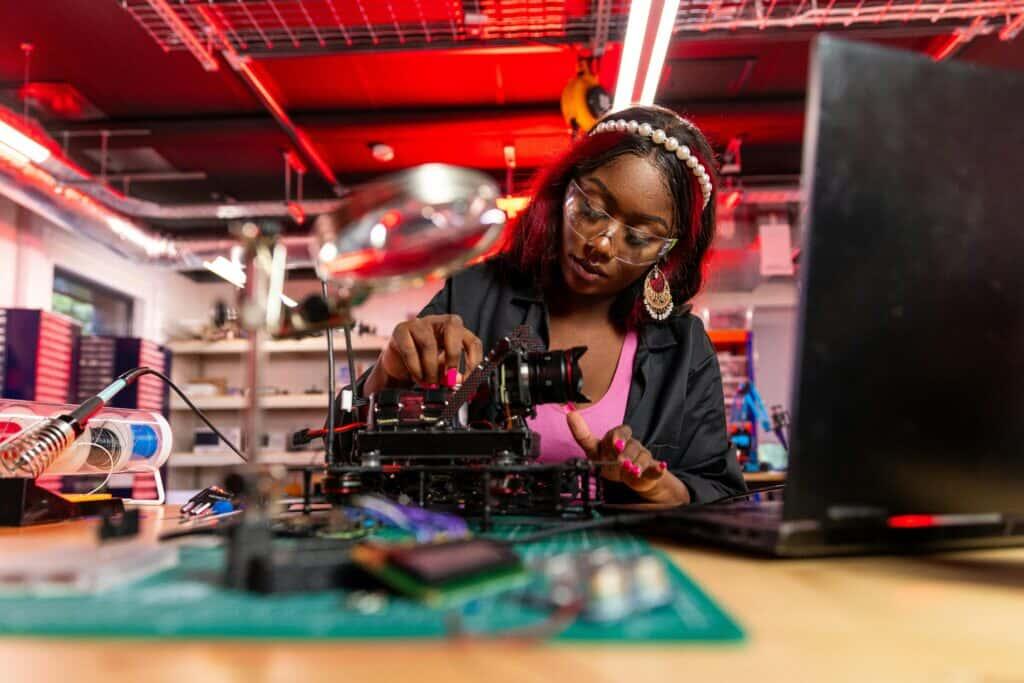
SOURCE: PEXELS
Even before the pandemic, gender equity in STEM was advancing slowly. Women remained underrepresented across many technical fields, particularly in engineering and computer science. According to MassBio, retention challenges for women in science-based fields were already intensifying prior to COVID-19, leaving the workforce especially vulnerable when disruption hit.
Caregiving Pressures Drove Women Out Of STEM
One of the most immediate and significant impacts of the pandemic was the surge in caregiving responsibilities. With schools closed and childcare options limited, many women were forced to take on additional unpaid labor at home.
According to MDPI, nearly 3 million women in the US left the workforce in the first year of the pandemic, largely due to increased caregiving demands. Women’s labor force participation dropped sharply during the early stages of COVID-19 and has faced an uneven recovery since. In STEM fields, these pressures translated into reduced working hours, stalled projects, and, in many cases, complete career interruptions.
Research And Career Progression Took A Hit
The pandemic’s disruption was especially visible in academic and research settings. Lab closures and restricted access to research facilities created widespread delays, but women experienced greater setbacks due to disproportionate caregiving responsibilities.
Research from Cornell University said measurable decline in research output from female scientists during the pandemic, particularly in the early months of lockdown. These disruptions carry long-term consequences: in STEM, career advancement often depends on consistent publication, grant funding, and visibility, areas where even short interruptions can have lasting effects.
Remote Work Opened New Doors
Despite these challenges, the pandemic also catalyzed changes that may benefit women in the long term. The rapid shift to remote and hybrid work created new flexibility, allowing many women to balance professional and personal responsibilities more effectively, as per McKinsey & Company.
For many STEM roles, especially in technology, data science, and digital research, this shift reduced geographic barriers and expanded access to opportunities, signaling a structural shift in how STEM careers can be sustained.
A Fragile Recovery Amid Workplace Shifts

SOURCE: PEXELS
However, these gains remain uncertain. As organizations push for a return to in-person work, some of the flexibility that supported women during the pandemic is being scaled back.
Recent reporting from Axios shows that return-to-office mandates, combined with ongoing childcare shortages, are contributing to another wave of women leaving the workforce.
At the same time, broader analysis indicates that pandemic disruptions slowed progress on gender wage equality, per The Associated Press.
The Pipeline Problem: Long-Term Risks For Future Generations
Beyond the workforce, the pandemic also disrupted the educational pipeline into STEM careers. School closures and remote learning created new challenges for students, particularly girls, who often faced increased responsibilities at home.
Analysis from the University of Pennsylvania highlights how women, especially mothers, absorbed a disproportionate share of pandemic-era caregiving, shaping both immediate workforce outcomes and longer-term career trajectories
Increased Awareness And An Opportunity For Change
At the same time, the pandemic sparked broader conversations about equity and inclusion. Institutions across the United States have begun to acknowledge the structural barriers that limit women’s advancement in STEM, per National Academies.
In response, there has been increased investment in mentorship programs, diversity initiatives, and policies aimed at improving retention. While progress remains uneven, these efforts reflect a growing recognition that systemic change is necessary to support women in STEM careers.