Live Life To The Fullest: Redefining Wealth Beyond Accumulation




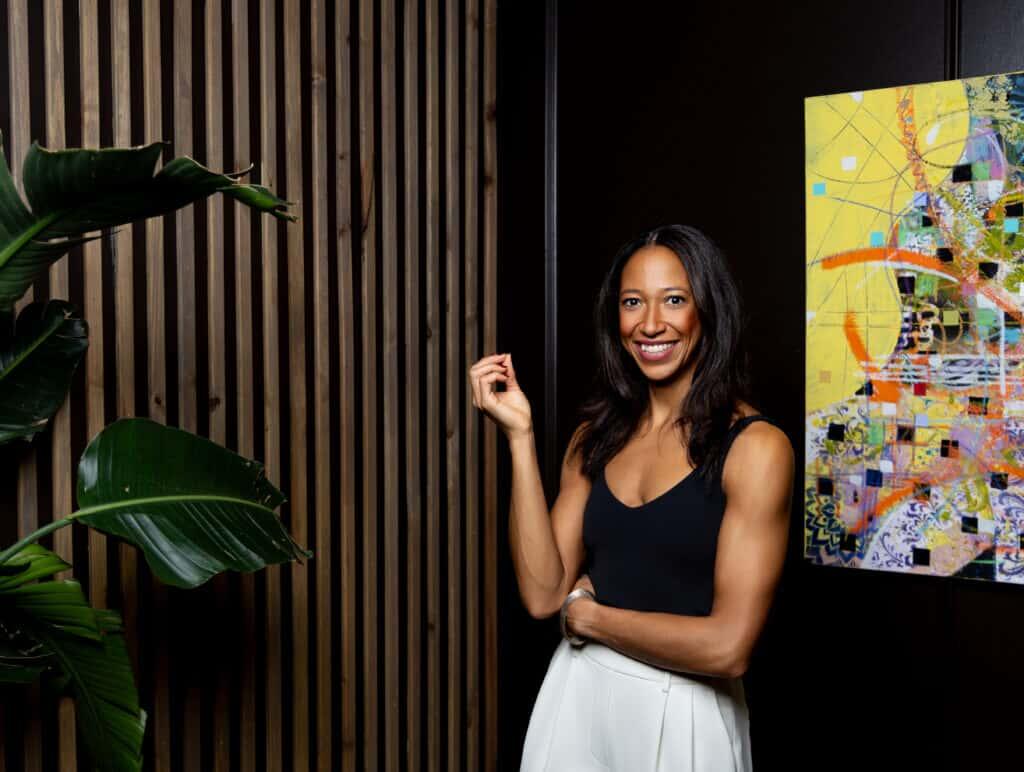
This article was contributed by guest writer Gabrielle Wyatt.
For a long time, wealth has been measured by what we can count. Income. Assets. Property. Titles. Promotions. The number in the account. The size of the gift. The scale of the institution. The visible evidence that we have made something of ourselves.
And those things matter. Money matters. Ownership matters. Access to capital matters. Black women know this deeply, not in theory, but in our bodies, our families, our communities, and our histories.
But as I have listened to Black women leaders through Meet Me at the Highland and years of research through The Highland Project, I keep returning to a larger question: What if wealth is not only what we accumulate, but what allows us to live fully?
That question changes the conversation. Because if wealth is only accumulation, then success can still leave us depleted. We can have the title and no time. The platform and no peace. The income and no rest. The recognition and no room to breathe. We can be celebrated for what we build while quietly losing access to the very conditions that make a life feel whole.

But if wealth is the condition to live fully, then we have to measure more. We have to ask whether people care. Time. Health. Safety. Dignity. Choice. Community. The ability to rest without fear. The ability to imagine beyond survival. The ability to build without being consumed by the building.
In other words, we have to ask whether people have the conditions for wholeness. That word matters because it moves us beyond the narrowest measures of success. A person can be employed and still be exhausted. Visible and still unsupported. Accomplished and still fragmented by the demands placed on their body, time, family, and spirit.
The most recent polling from The Highland Project makes this plain. In Mississippi, Black women voters are naming both what wholeness requires and what is breaking it: economic strain, public systems that too often fail to meet people with dignity, and a civic landscape where participation should not be mistaken for satisfaction. Nine in ten Black women voters in Mississippi are dissatisfied with the direction of the country, but they are not disengaged: 75% say they are highly motivated to participate in the 2026 midterms. That tension matters. Dissatisfaction is not despair. It is a clear diagnosis of lived experience.
Their vision of wealth is also instructive. In the Mississippi poll, having enough money to live comfortably was not primarily about status or achievement. It was about breathing room: the ability to rest, plan, care for family, and enjoy the life they are building. That is a fuller definition of wealth — one rooted in peace, dignity, and the freedom to live without fear that everything could unravel.
Too often, Black women are offered access and asked to call it wealth. A seat at the table. A promotion without power. A title without support. A grant without enough runway. Visibility without protection. Opportunity without the conditions to make that opportunity sustainable.
This is why redefining wealth matters. It is not simply a personal exercise. It is a political and economic one. When we define wealth narrowly, we design narrow solutions. We chase representation without shifting the resources, authority, and conditions that make representation meaningful. We celebrate individual success without transforming the conditions around it. We praise women for breaking barriers without asking why the barriers are still there.
Black women have never been merely a constituency to be courted, surveyed, or inspired. We are architects. We are designing families, organizations, movements, policies, businesses, care networks, cultural language, and democratic possibilities every day.
But architects need more than applause. They need resources. They need trust. They need time to think. They need institutions willing to follow their vision before a crisis makes that vision convenient. They need funders, boards, policymakers, and leaders to understand that investing in Black women is not charity. It is a strategy. It is infrastructure. It is how we build a future with more imagination, more care, and more room for all of us to live.
The question is not whether Black women know how to build. We do. The question is whether the world is willing to invest in the conditions that make our buildings sustainable.
That is where a broader definition of wealth becomes useful. It gives us a way to look at our lives and our institutions with more honesty. Not only “What have I achieved?” but “What has this achievement required of me?” Not only “What did we fund?” but “What did our funding make possible?” Not only “Who is at the table?” but “Do they have the safety and support to shape what happens there?”

For those of us building careers, companies, movements, families, and futures, this is not abstract. It is daily. It is the calendar. The budget. The meeting. The job offer. The caregiving plan. The decision to say yes, no, or not yet.
Perhaps the invitation is to expand the questions we ask about success. What kind of wealth am I building? Does my work make space for care, or does it depend on care being invisible? Am I pursuing recognition, or am I building conditions for freedom? What would it mean to be resourced, not only rewarded? What would I design if I believed my life was meant to be more than productive?
Wealth, at its best, should not ask us to disappear inside our labor. It should make more lives possible. And maybe that is what Black women have been teaching all along: that the future cannot be measured only by what we own, earn, or build. It must also be measured by whether we have the conditions to breathe, imagine, care, lead, and live fully. That is not a softer definition of wealth. It is a more complete one.
ABOUT GABRIELLE WYATT
Gabrielle is the Founder and CEO of The Highland Project, a values-aligned coalition designing and leading a multi-generational vision of wealth and opportunity for all, anchored in belonging, abundant choice, thriving health, and financial freedom.