No Black Woman Made Forbes’ Highest-Paid Podcasters List: Here’s Why That’s Not About Talent





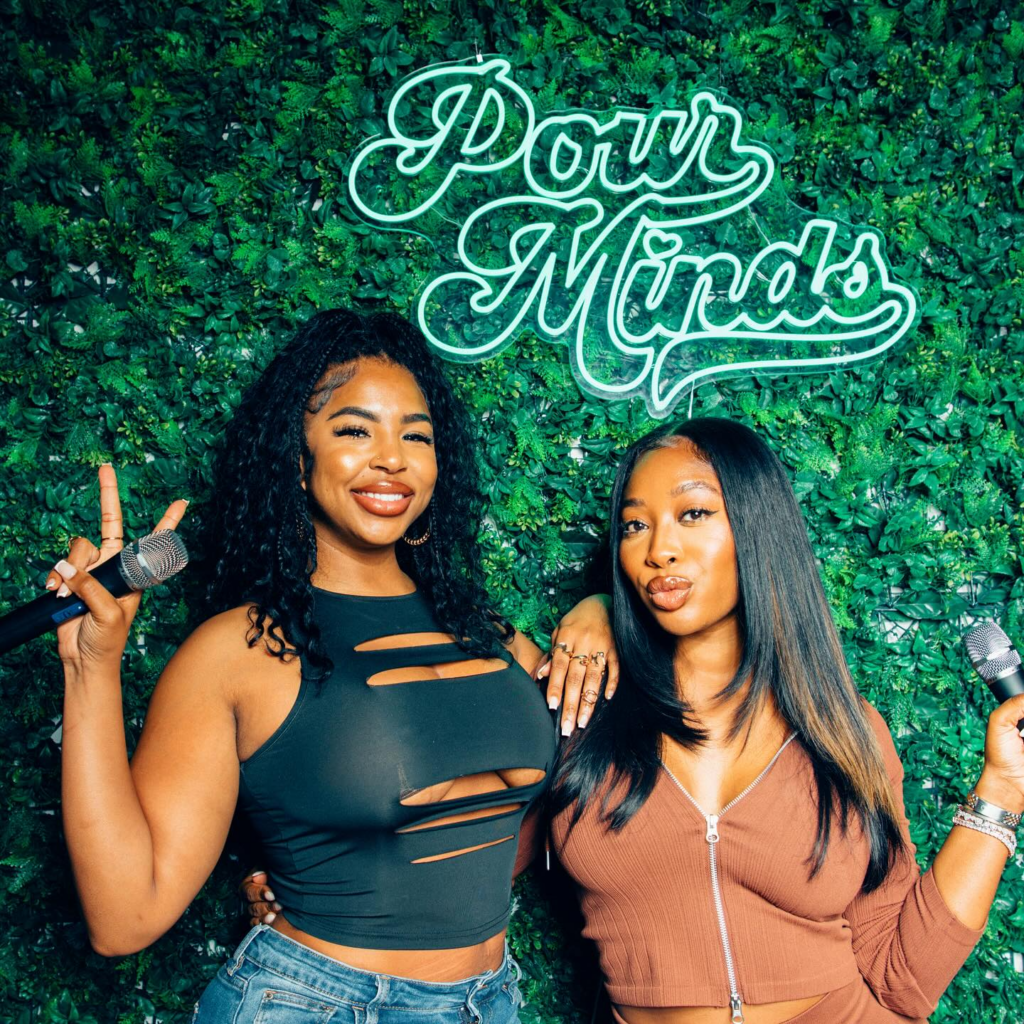
Recently, Forbes released its 2026 ranking of the highest-paid podcasters, and the number at the top of the list says as much about where the industry is headed as the name attached to it. Joe Rogan leads with an estimated $82 million, built on a three-year Spotify deal reportedly worth up to $250 million. Behind him, tech commentators John Coogan and Jordi Hays of Technology Business Programming Network (TBPN) earned $70 million following an OpenAI acquisition that reshaped their business overnight, and Steven Bartlett’s Diary of a CEO brought in $45 million while staying independent. Crime Junkie‘s Ashley Flowers took fourth at $42 million, and the SmartLess trio of Will Arnett, Jason Bateman and Sean Hayes closed out the top five at $37 million. But as the list circulated, one detail overshadowed the payday figures themselves: not a single Black woman appears anywhere on it.
The absence didn’t go unnoticed. Many took to social media to discuss the list. TheJasmineBRAND flagged it directly, writing that “as podcasting continues to grow into huge business, the ranking is fueling conversation about representation, ownership and access to the industry’s biggest paydays.”
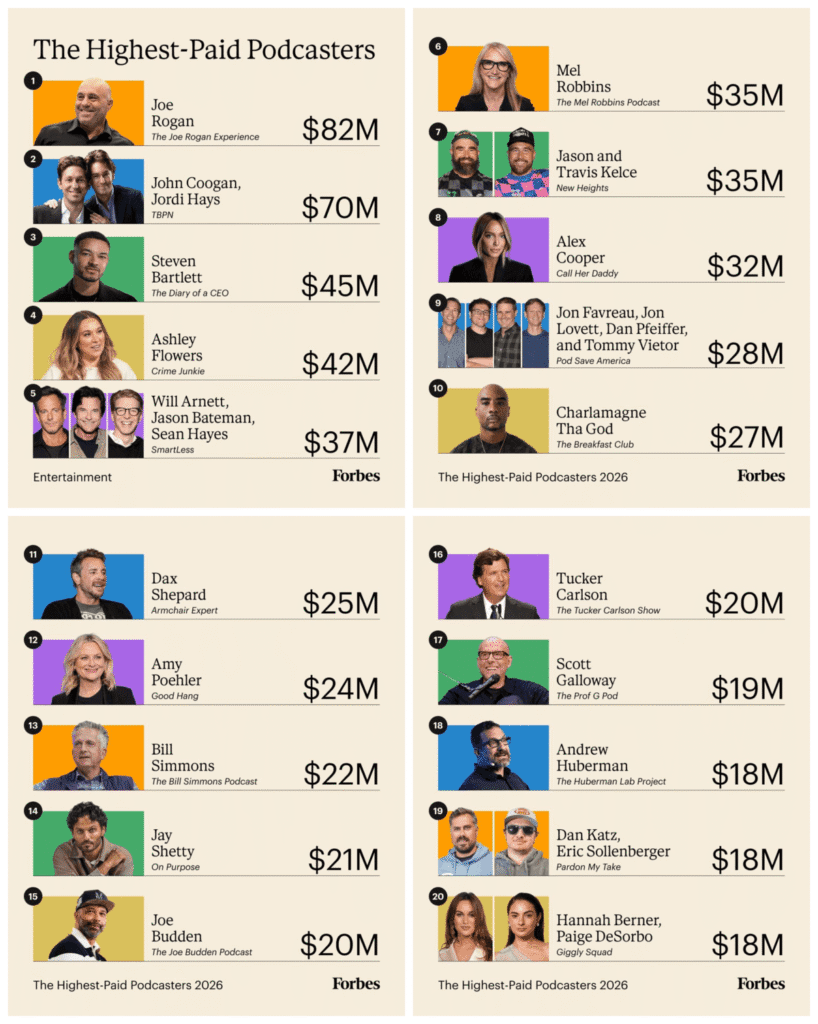
Those who are fully immersed in the podcasting industry can surely observe how much of podcasting’s cultural energy over the past decade has come from Black women. From Michelle Obama’s chart-topping interview show to Drea Nicole and Lex P’s Pour Minds and Kid Fury and Crissle West’s long-running The Read, their cultural influence doesn’t quite translate to sponsorships and dollars.
Fortunately, the list wasn’t entirely without Black representation. Steven Bartlett’s $45 million placed him as the highest-paid Black podcaster on the ranking, and Charlamagne Tha God landed further down at an estimated $27 million, driven by a mix of iHeartMedia partnerships and a new Netflix deal that has extended The Breakfast Club’s reach well beyond radio. Joe Budden also cracked the list at roughly $20 million, powered largely by his independent network and a Patreon subscriber base of around 70,000. However, it was specifically the absence of Black women that stood out, in a list that did make room for Mel Robbins, Ashley Flowers, Alex Cooper, Amy Poehler, and reality-TV-turned-podcast hosts Hannah Berner and Paige DeSorbo.
Realistically, the list represents podcasters that are bringing in the most money, so Forbes is not outright ignoring Black women or their major influence. Nevertheless, it still points to a specific gap that often affects Black women across various industries. One Threads user called attention to this exact sentiment: “I would love to see this compared to podcasts with the highest weekly listeners.”
While the list of highest paid podcasters measures who has secured the kind of distribution deal, streaming contract, or ownership stake that generates eight-figure sums, it does not accurately represent which platforms are receiving the best feedback.
Rogan’s number exists because Spotify was willing to pay for exclusivity. Coogan and Hays’ number exists because a tech company bought into their business. Bartlett’s number exists because he built Diary of a CEO as an owned asset rather than a hosted show. Those are business outcomes, not audience metrics, and they depend on who gets offered the deal in the first place, who has the leverage to negotiate it, and whose show gets treated as a platform worth acquiring rather than content worth licensing for a flat fee.
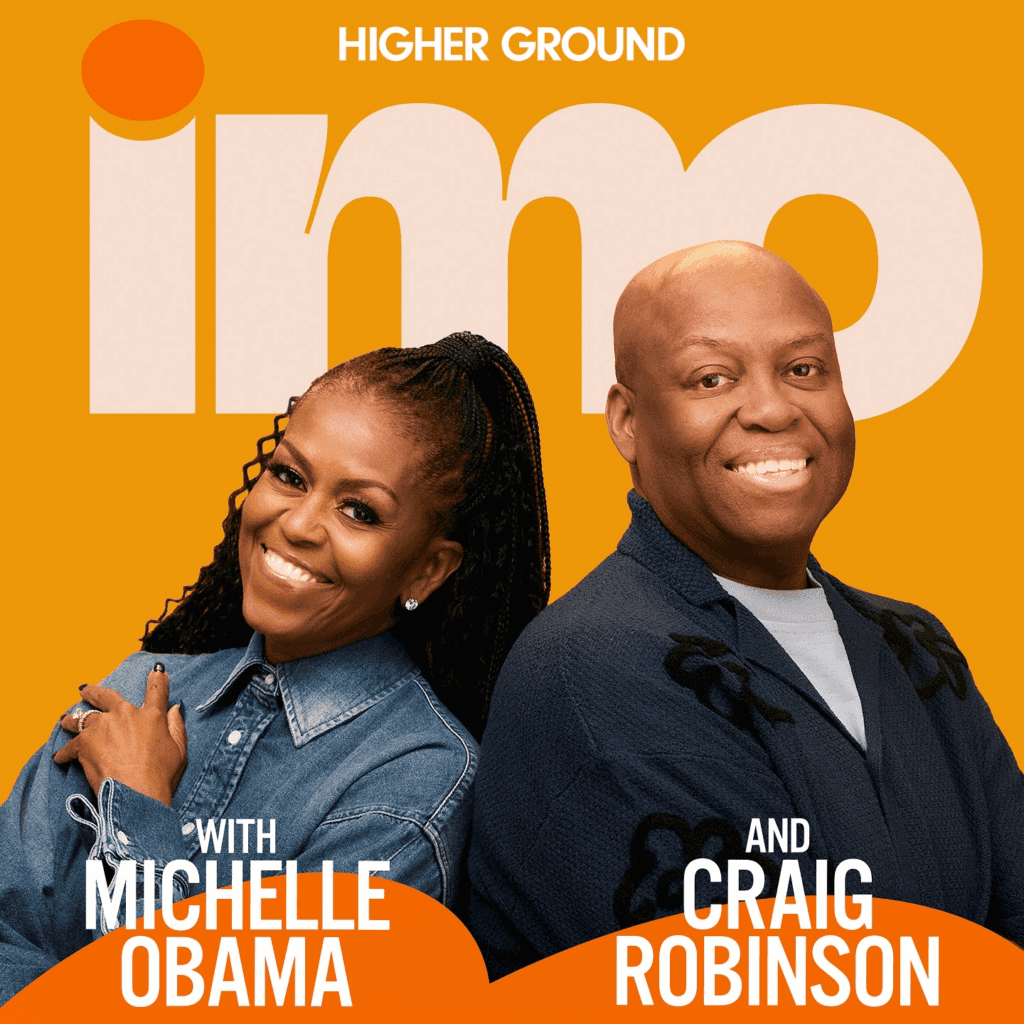
That distinction is exactly why the reaction to this year’s list has centered on access rather than talent. Black women have built some of podcasting’s most loyal audiences and durable franchises, often without the backing of a major platform’s checkbook. Their absence from a list built around nine-figure distribution and acquisition deals isn’t evidence that the shows don’t perform. It’s evidence of who the industry’s biggest buyers have chosen to bet on, and it raises the same question that’s followed Black women through entertainment, media and business for decades: when the money finally shows up, who gets handed the check?
Forbes has not commented on the criteria that produced this year’s gap.