Strategic Financial Planning Tips For Women During Major Life Transitions





Change in life is inevitable, and unfortunately, many are not adequately prepared financially. From economic headwinds like inflation to weakening Social Security for those approaching retirement, no one is exempt from the impact life’s fluctuations have on their wallets. Women are especially sensitive to these changes, as many carry the brunt of major life impacts, from early career moves to divorce to caring for aging parents while prepping for their own retirement. Navigating these life changes and their financial strain is where expertise helps turn a reactive approach into a proactive one.
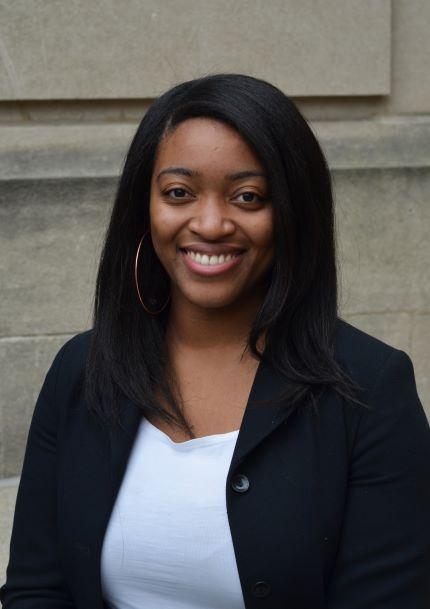
“Most of the time, transitions are the trigger,” Certified Financial Planner Zaneilia Harris points out. The Maryland/Washington D.C. metro-based Certified Financial Planner and educator has worked in the finance industry for over 20 years, and as an entrepreneur, CFP Board Ambassador, and author, Zaneilia Harris has helped clients as President of Harris & Harris Wealth Management Group, LLC. navigate financially through major life events as they happen.
Harris’s expertise and client base focus on women looking to better plan during transitional periods in their lives, where money management, proper investing, and saving, and having a personal board of advisors are key. No matter what stage of life you’re experiencing or planning for, Harris suggests investing in a Certified Financial Planner, a Tax Preparer, or Certified Public Accountant, and possibly even an Executive Coach as part of your own board of advisors.
“These are the people that are going to be key in helping you navigate the different [life] transitions that are happening. They can refer you to people with resources amongst their colleagues.”
For all of life’s transitions, proper financial guidance and advice is paramount in ensuring your wealth grows and is protected. “There’s someone out there that can work with you at all stages of your life,” ensures Harris. Here are a few strategies to help you better financially prepare and navigate life’s personal and professional shifts.

Prioritize Savings And Growing Wealth When Climbing The Corporate Ladder
When entering the workforce or considering a career transition, time is your biggest asset to accumulating wealth. Use your time in the workforce wisely and establish a plan to grow and protect what you earn, from your first job offer to your next promotion.
Explore what the company has to offer in its compensation package before accepting a job offer, including stock options, a sign-on bonus, and even student loan repayment assistance. Consider and examine the amount you need to bring home to cover your living expenses and factor that into what you’d also like to save for future retirement contributions.
“When you get your first job, you need to open up a Roth IRA and start putting money aside,” Harris suggests as well for early-career professionals.
For mid-career professionals climbing the ladder, maximizing your retirement contributions and saving aggressively is crucial to preparing for unexpected life changes and shifts. As your earnings grow, so should your savings.
If you’re looking to make a career shift, consider also what you may be leaving behind and plan accordingly. Examine your company’s 401(K) and whether you are 100% vested before making a move to another company to ensure you are not leaving money on the table from your current employer. The choice to transition from one career to another should be calculated as you think about securing your wealth.
“Be strategic about how you move into that position, and if going, give you what you need. You want to have an upward trajectory not just in position, but also in the amount of money that you’re bringing home.”

Prepare For The Unexpected During A Troubling Job Market And Unemployment
The troubling job market, coupled with the unstable economy, crippled many Americans post the COVID-19 pandemic, notably college-educated Black women, as 2025 saw the sharpest yearly decline in employment rate for Black women in the last 25 years. Because of this, many Black women are facing unemployment or underemployment as they battle a job market littered with recent graduates, late-career professionals, and jobs taken by the rise of AI.
“A lot of Black women have lost their jobs recently, and they’re having to navigate how to deal with [unemployment] because the landscape doesn’t look like it used to.”
Harris suggests preparing as much in advance as possible for the unexpected with healthy savings to fall back on.
“Normally, what you hear in the [financial] industry is that you need three to six months [of savings], but I believe now you need upwards of two years.”
If you’re anticipating a possible layoff or a sudden change in earnings that may leave you strapped for cash to cover living expenses, do your research and consider withdrawing some investments early or taking out a line of credit on your home as needed. There are strategies around withdrawing from your long-term investments and assets when in need; consult a Certified Financial Planner to walk through the best options for your situation.
Have Access To Liquid Assets When Transitioning To An Entrepreneur
Starting your own business and becoming an entrepreneur not only changes the course of your professional life, but your finances as well. Between the capital it takes to start a business and the impact it has on your long-term savings, investing in yourself takes financial preparation.
Liquidity is a crucial financial tool that can help you stay afloat while growing your business as an entrepreneur. Consider a line of credit as a part of your long-term emergency savings while you build a business that is profitable.
“One of the things that I’m telling clients is to make sure that they get a line of credit, because you want to have access to capital to protect you in the event that you need additional cash.”
Having access to capital can be helpful in lessening the impact in going from a steady paycheck to paying yourself while growing your business.

Preparing For Retirement & Care Giving
Retirement is a major life transition that many underestimate when preparing financially. In preparing for retirement, assessing your future lifestyle and living situation is just as important as the total in your retirement investments. Factor in how you’d like to live during retirement as a part of your calculations to ensure that you are saving enough for your future self.
“I’ve been telling women who are ten years out [from retirement] that they need to sit down with a financial planner. A financial planner is very key in providing insight into things that you wouldn’t have thought about. You can do scenario planning with them and tell them what you want retirement to look like.”
A part of retirement planning that is often overlooked is caregiving. As you prepare for your own retirement or care for someone already retired, these responsibilities to family can also impact you financially. Decide how you’d like to financially give back as a caregiver and as a supporter while also safeguarding your own retirement plans.
“Such a big component of our community is the aspect of giving back to the family. I encourage my clients to put parameters around [giving back to family] that they set themselves. You get to control how you give regardless of how they come to you and what demands they place.”
There are many ways to give back to family, including setting up a trust for your assets, preparing a will that outlines where your wealth will go, and contributing non-monetarily during major life events. Be mindful of your financial situation and goals first, then give from the overflow, Harris advises. “You know your financial situation, and so before the demand happens, I have a conversation with [my clients] on how they want to give.”