The Importance Of Finding A Hobby That Does Not Make You Money





Modern, fast-paced hustle culture can quickly turn a fun hobby into stress. Consequently, a hobby that was once used to decompress and regulate your nervous system is now a burden or chore. Not to mention the constant rise in the cost of living. The pressure to turn a hobby into a side hustle can be stifling for creativity. Unfortunately, it feels like being stuck between a rock and a hard place. Hobbies are often used as creative outlets, a way to bond with others, or simply to pass the time. It is often the case that a key element is overlooked, hobbies are necessary for your mental health, and achieving a well-balanced, healthy lifestyle.
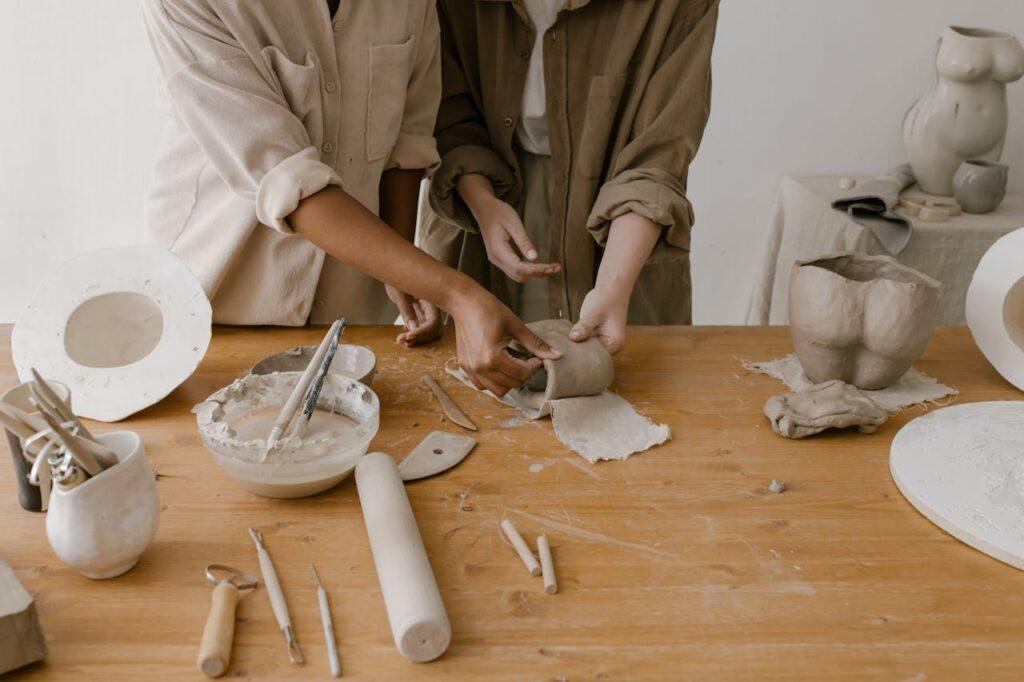
According to a paper published in Taylor and Francis Online, a major repository for published, peer-reviewed research and journals, hobbies are a regular, ongoing activity that is undertaken for pleasure, in one’s own time, without professional or financial gain. The paper goes on to say, “There is a growing body of literature that highlights the positive effects of hobbies on health outcomes”. The research is showing that participating in a hobby reduces anxiety, depression, and the risk of cardiovascular disease.
How To Select The Best Hobby For You
Mental Health America, a non-profit focusing on mental health, shares, in a blog post, the top five research-backed hobbies for maintaining mental health:
- creating art
- reading
- writing
- making or listening to music
- gardening
The blog post continues to explain that mental health is deeply personal, so it is important to explore which hobbies best fit your unique needs and circumstances. Hobbies activate the parts of the brain that help us process emotions. Hobbies also create small wins and a sense of progress. Not only that, but hobbies help you bring your attention to the present and create meaning and identity. Hobbies help build connections and support other healthy routines like moving your body and spending time outside.
The Urge To Monetize Your Hobby
Individuals spending more time indulging in their hobbies typically result in increased skill. As skill level increases toward the road of mastery, so does the pressure to turn your hobby into a side hustle. The subtle nudges start off as back-handed compliments, “oh, you should sell these”, or “you should start a business”, and the classic, “who couldn’t use the extra money”.

An article in Vox, a media outlet, discusses how quickly people can and do monetize their hobbies. The article highlights the fact that monetizing your hobby can quickly start to feel like a job, which is counterproductive.
Finding Balance
Setting boundaries should be a high priority to prevent burnout and exhaustion. Participating in a hobby without the pressure to earn money can be the standard. Building an identity outside the societal pressures of always producing is beneficial for both your mental and physical health. An article in Fast Company, a media outlet, highlights that the pressure to earn money and build a personal brand are at every corner. It is now the expectation that everyone has multiple streams of income and taps their new skills on social media.
A Well-Rounded Lifestyle
Overall, there is no need to abandon your side hustles or neglect your passion projects. The goal is to spread awareness. Your quality of life can increase with the simple lifestyle change of adding a hobby to your routine. It is important to remember that it is okay to enjoy activities that don’t involve compensation or a monetary reward. This is permission to find a hobby you enjoy and ditch the pressures of trying to turn every activity into a stream of income.