
Understanding The Real Impact Of The Pink Tax On Black Female Consumers





If you feel the stretch in your wallet due to the current economy, you are not alone. Inflation surges and economic instability have spiked the costs of consumer goods, gas prices, and airfare, among other categories, according to the U.S. Bureau of Labor Statistics in April 2026, as reported by CNBC. The financial strain is being felt across all classes in some way, but women are bearing the economic burden even more simply based on their gender due to historical bias in pricing for women.
This bias is known as the pink tax, the upcharge women pay for the same or similar products as men, solely due to their gender. From gender-specific products like tampons and sanitary pads to items like razors and clothing, the pink tax is reflected in the inequitable pricing women pay for everyday goods.
Although most consumer goods are marketed to both men and women, women have been statistically paying more for the same products and services than their male counterparts, various studies suggest. This discrimination based on gender has a lasting financial impact, a disadvantage that disproportionately costs women more than just sticker shock.
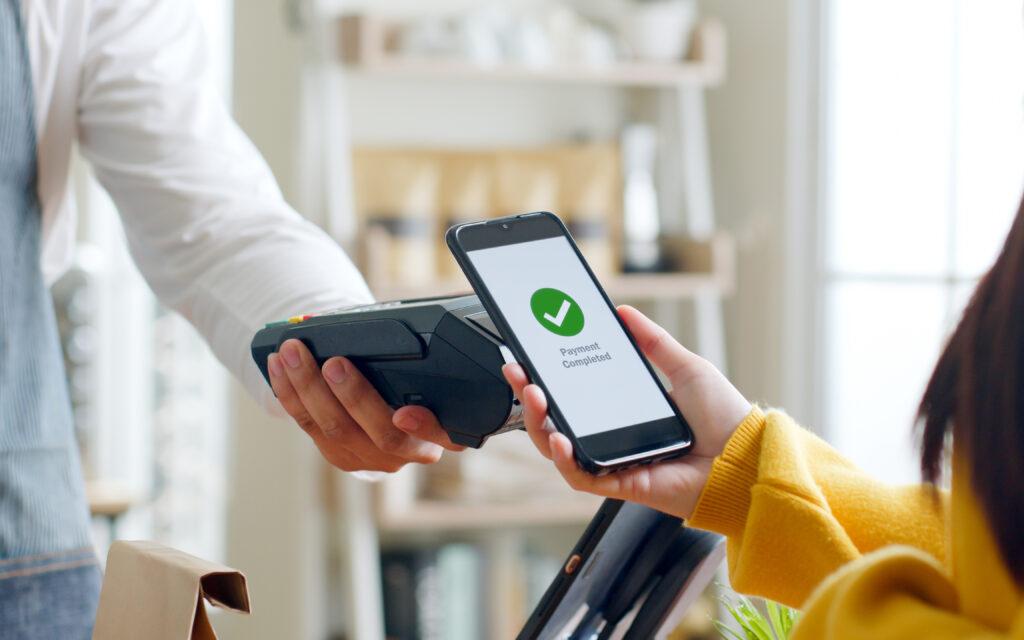
The True Costs Of The Pink Tax
Referred to commonly as the pink tax, inequitable pricing based on gender spans across several industries, research has shown. The markup women pay on goods and services is prevalent, ranging from everyday items like personal hygiene products to children’s toys marketed for girls. Findings from a study conducted in 2015, From Cradle to Cane: The Cost of Being a Female Consumer, ” reveal that women’s products, on average, cost 7% more than similar products for men. Across all of the consumer categories analyzed in this study, 30 out of 35 consumer products for women were priced higher than those for men. Products like women’s clothing, personal care products, and senior home health care products were found to be higher in price for women than for men.
The financial impact on women can span over the course of their lives and cost them thousands. Due to products marketed specifically for women, like sanitary products with less competition and availability, the burden of higher costs seems inevitable for women. This, however, runs in line with the unfair pricing practices of consumer goods based on gender, a practice that bleeds into pricing for products that are genderless.
These disparities also adversely affect women financially, who statistically continue to earn less than men overall, stretching women’s wallets further. According to research and advocacy group AAUW, as reported by Forbes, women working full-time on average earn 81 cents for every dollar men earn. The gender pay gap, compounded with the pink tax, puts a measurable strain on women’s finances, paying more for everyday needs based on their gender while earning less to afford them.

Black Women And The Double Tax
The theory of the pink tax affirms how much gender-based pricing costs women across all classes, but for Black women, the cost is even higher. Black women pay even higher margins for products due to race and societal factors, like accessibility, affordability, and quality.
Coining the term “double tax” in her 2025 book, “The Double Tax: How Women of Color Are Overcharged and Unpaid”, author, speaker, and Harvard Researcher Anna Gifty Opoku-Agyeman unpacks the compounding expense sexism and racism have on Black women specifically. Regular consumer goods are statistically even more expensive for Black women, as racial bias adds to the tax they pay. Due to economic and societal factors, like proximity to quality goods and services in dense urban neighborhoods, Black women tend not only to pay more out of pocket for the products they need, but they are also at a disadvantage in accessing quality products.
Black women today are also facing the highest unemployment rates out of all cohorts in the U.S., straining their financial resources even more. In 2025, Black women saw the largest employment losses by race and ethnicity in the U.S. at a 6.7% unemployment rate. The many compounding factors Black women face leave them at a major disadvantage financially to be able to afford and pay for the products they need.
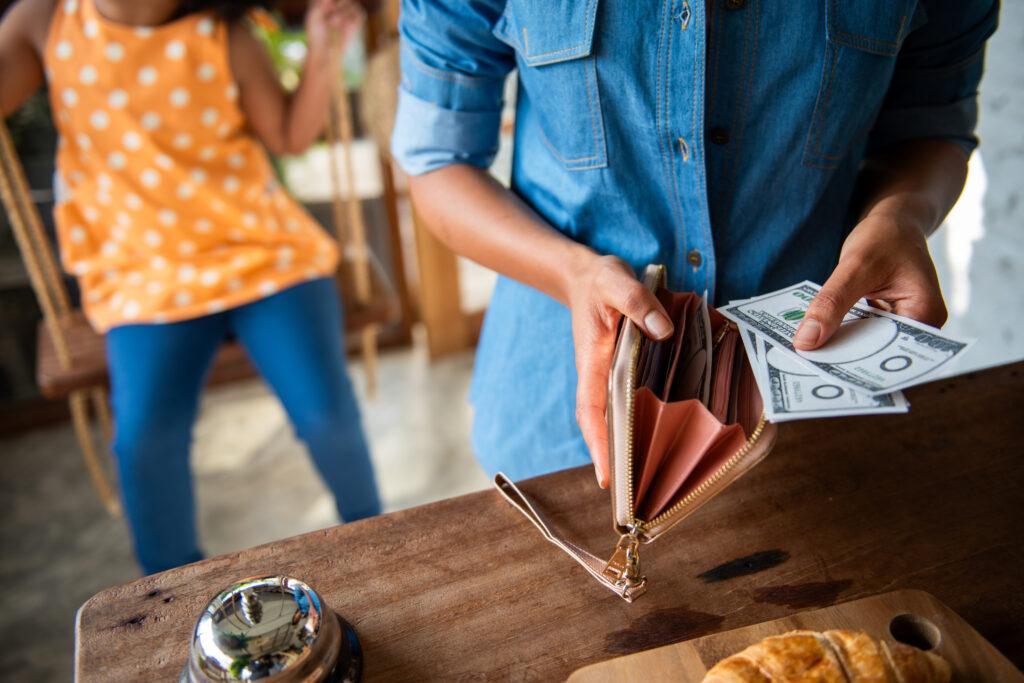
Avoid The Pink Tax On Your Wallet
Gender-based pricing disparities have become more apparent in the consumer goods industry, and policymakers have started to take notice. In places like New York and California, legislation has been passed to make gender-based pricing illegal. AB 1287, California’s Pink Tax Law, prohibits charging different prices for similar products based on gender. At the federal level as well, further measures have been introduced to combat discrimination in pricing.
Although there’s no straightforward solution to combat this systemic bias, here are a few tips to help protect your wallet and get your money’s worth:
- Compare the price of products that are marketed for women to its gender neutral or male variety
- Try substituting and buying items that are gender neutral, like shaving razors and children’s toys
- Negotiate service costs and ask for quotes to get the most equitable price
- Shop and support minority-owned small businesses that sell quality products
Continuing to make light of the pink tax will help make the pricing of consumer goods equitable for all, especially for women, who substantially drive the economy, supporting themselves, their families, and their communities at large.