
U.S. Dietary Guidelines Just Got A Major Update And Here’s What You Should Know

Pexels




Earlier this month, the U.S. dietary guidelines received major updates under the current administration. The new guidelines emphasize eating whole, minimally processed foods, cutting back refined carbohydrates, and “declaring war” on added sugars. But the changes go deeper than that.
While the updated guidelines echo some long-standing nutrition principles, certain aspects of the new recommendations raised eyebrows among nutrition experts. Unlike the highly detailed 2020 guidelines, this version is significantly shorter and more streamlined, featuring an inverted pyramid that puts meats, cheeses, and vegetables at the top. It quite literally flips the traditional food pyramid on its head, and accordingly, reactions have been mixed.
“The current guidelines are very obscure and fail to consider the need for personalized options based on one’s culture, food preferences, allergies, intolerances, religious practices, or accessibility,” says LaShawnda Beasley, a registered dietitian who specializes in women’s health at her private practice, Health For You By You. “While the updated nutrition guidelines offer some encouraging recommendations that align with current research, certain recommendations don’t necessarily align for all women.”
Updates To U.S. Dietary Guidelines
- Protein: Intake is based on body weight: 1.2 to 1.6 grams per kilogram per day. Sources should include eggs, poultry, seafood, red meat, beans, lentils, nuts, seeds, and soy.
- Dairy: 3 servings per day for someone on a 2,000-calorie diet, with no added sugars.
- Whole grains: 2-4 servings per day. Minimized refined carbs like white bread, flour tortillas, and packaged crackers. Fiber-rich choices should be prioritized.
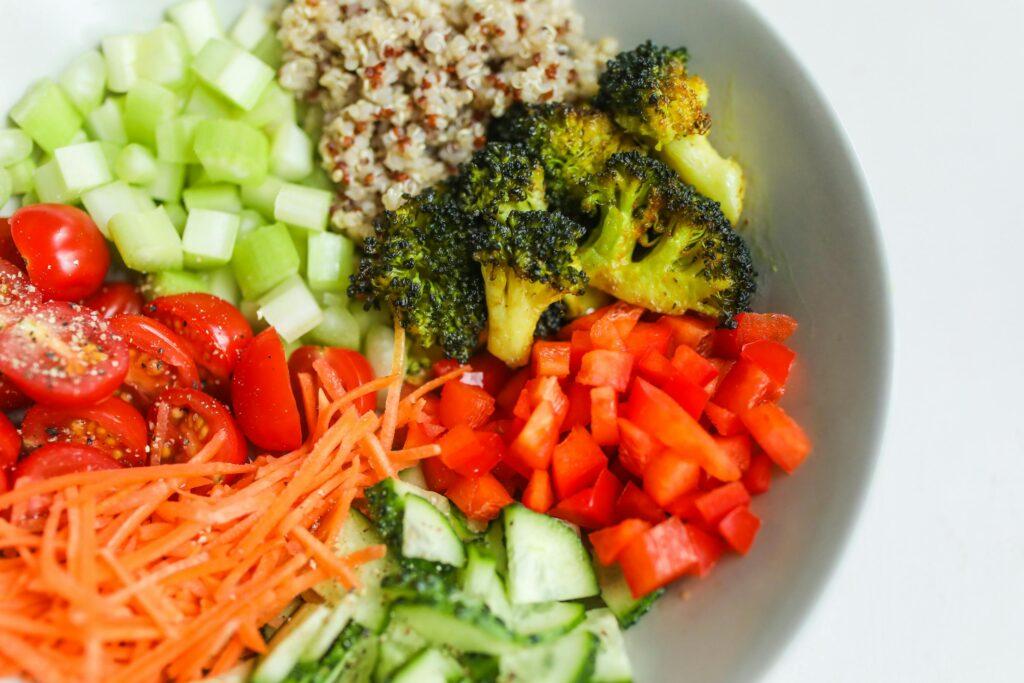
- Vegetables and fruits: 3 servings of vegetables and 2 servings of fruit per day are recommended for a typical 2,000-calorie diet.
- Healthy fats: From foods like olive oil, nuts, seeds, fatty fish, and avocados.
- Highly processed foods and sugar-sweetened beverages are discouraged.
You can view the official dietary guidelines here.
What A Registered Dietitian Thinks
All pros and cons considered, it’s vital to encourage personalization surrounding food and lifestyle in order to meet people where they are in their current stage of life, health, and circumstances.
Pros
Of course, the promotion of vegetables, fruits, and healthy fats is hardly a surprise. These foods have long been linked to improved metabolic health, reduced inflammation, and a lower risk of chronic disease.
The promotion of increased fiber intake and improved microbiome health is another under-the-radar bright spot of the updated guidelines that may be especially impactful for women. Adequate fiber supports blood sugar regulation, estrogen metabolism, and gut health, all of which play a critical role in hormonal balance.
“As a dietitian living with polycystic ovarian syndrome (PCOS), fitting in adequate fiber intake most days has helped keep my insulin levels stable and reduce bloating and inflammation,” Beasley explains. “Increasing evidence supports that food that contains probiotics, such as kefir, kombucha, pickled vegetables, and yogurt, helps improve nutrient absorption and glucose control.”
Nutrient absorption is very important for menstruating women who need extra iron, and for perimenopausal and menopausal women, who need more calcium and vitamin D.

Cons
The gravitation towards dairy and fats raised eyebrows for Beasley and other nutrition experts. Simply put: Some women can tolerate milk-based dairy products. Food intolerances, allergies, and individual health factors must be taken into account, and nutrition guidance cannot be treated as a one-size-fits-all approach.
“Some clients report to me that they feel better since removing dairy from their diet completely,” Beasley adds. “It’s important to give people options on how they can obtain probiotics, protein, and calcium from other sources, such as supplements or plant-based dairy products.”
Previous dietary guidelines have also recommended limiting saturated fat to 10 percent of total calories consumed. And while the updated guidelines promote limiting foods containing saturated fat, the infographic shows red meats and whole milk at the top of the pyramid, which sends a different message.
“A lifestyle with increased saturated fat may lead to increased inflammation and the risk of cardiovascular disease,” she explains. “Women in menopause already have an increased risk of cardiovascular disease due to declining estrogen levels and other contributing factors. Promoting more foods that contain higher amounts of saturated fats, such as beef tallow and whole milk, may compound that risk.”
Disclaimer: While the guidelines and advice may offer a helpful foundation, women should consult a registered dietitian or other healthcare professional to determine what’s best for their individual bodies and health goals.