What The Shift Towards Casual Fashion Says About Modern Work Culture





The modern workplace has changed not only in where people work, but in how people present themselves while doing it. For much of the twentieth century, a suit, polished shoes, or a crisp dress signaled seriousness and ambition. Today, sneakers, denim, knitwear, and soft layers are common in offices, coworking spaces, and home workstations. The shift toward casual fashion is not just about taste; it reflects a broader rethinking of productivity, authority, identity, and trust.
This change became especially visible as remote and hybrid work moved from exception to routine. Employees who once kept separate wardrobes for weekdays and weekends began choosing versatile pieces. For example, brand new sweatpants could carry them from video calls to errands without the need to waste time changing clothes. As schedules became less predictable, the boundary between “work clothes” and “life clothes” blurred. Fashion followed the calendar, and the calendar no longer belonged solely to the office.
Comfort Becomes A Business Value
Casual clothing shows that comfort is no longer treated as the opposite of professionalism. Older dress codes often asked workers to accept discomfort as proof of discipline: stiff collars, restrictive shoes, heavy jackets, and fabrics designed more for appearance than movement. Modern employees increasingly question that. If someone can write code, manage a team, close a deal, or build a strategy deck in relaxed clothing, why must the relative comfort of their clothing be an issue?
Appearance still matters, but the definition of appropriate appearance has expanded. Clean, casual clothing can communicate respect and empowerment just as clearly as a traditional blazer. The emphasis has moved from uniformity to practicality, and from looking “corporate” to actually being competent.
Remote Work Rewrites The Rules
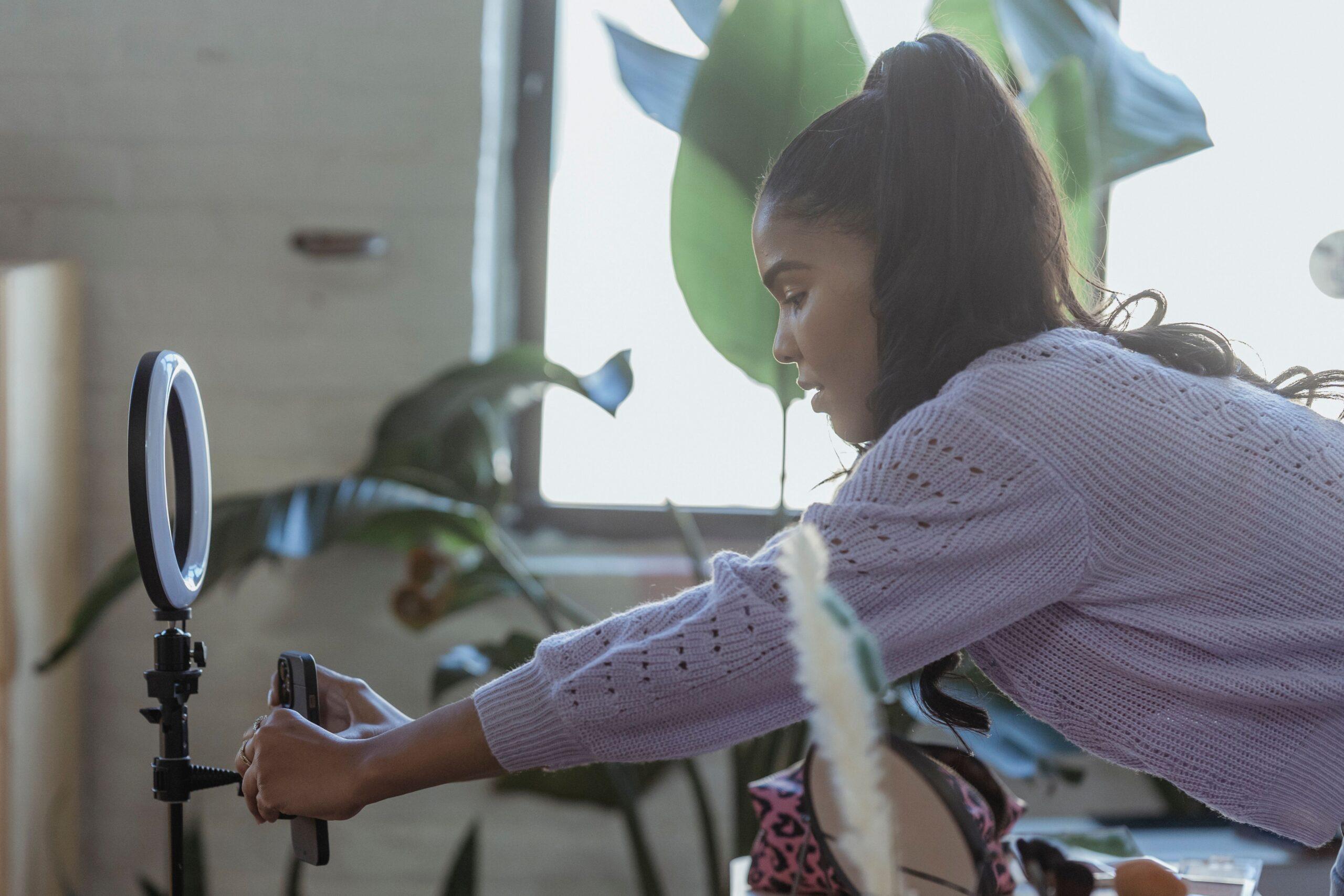
Remote work accelerated a trend that was already underway in technology firms, startups, and creative industries. When millions of people began attending meetings from kitchens, bedrooms, and shared apartments, strict office attire often felt theatrical. Hybrid work made the lesson stick. On home days, workers choose comfort; on office days, many still prefer adaptable outfits that can move between a commute, a meeting, and focused solo work.
This has encouraged “workleisure”: elevated basics, tailored joggers, premium hoodies, sleek sneakers, and soft blazers. The point is not to look careless. It is to look capable in a world where work happens in more than one setting.
Status Symbols Are Changing
The move away from formalwear also says something about power. Traditional business clothing reinforced hierarchy: executives looked one way, junior employees another, and client-facing teams often followed stricter rules than everyone else. Casual dress codes can soften those visible divisions, making workplaces feel more approachable.
Status has not disappeared; it has just changed symbols. A plain T-shirt may be inexpensive, or it may come from a luxury label. Minimal sneakers, designer backpacks, and high-end athleisure can signal class as clearly as a tailored suit once did. Unfortunately or fortunately (depending on your perspective), work culture has not eliminated fashion signaling at all – it’s just changed the signals.
Individuality And Inclusion
Casual fashion also reflects a broader demand for self-expression at work. Employees, especially younger workers, are less willing to check their identities at the door. Hair, tattoos, gender-neutral clothing, traditional dress, and personal style are increasingly accepted as part of a professional presence. That matters because dress codes have often enforced narrow ideas about gender, class, and respectability.
A more flexible standard can help more people feel that they belong. When organizations allow a wider range of attire, they signal trust in employees’ judgment and recognize that professionalism is defined by behavior, communication, reliability, and results.
A More Flexible Future
The future of workwear will likely be neither fully formal nor entirely casual. Instead, it will be contextual. People will dress for the situation: a polished outfit for a major presentation, relaxed layers for focused work, expressive pieces for collaboration, and comfortable basics for home days. This approach fits a culture that values autonomy and output over appearances alone.
Of course, not every industry can adopt the same level of casualness. Law, finance, hospitality, government, and client-facing roles may still require formal presentation at times. But even there, standards are becoming more situational and less rigid.
The shift ultimately reveals a workplace culture in transition. Casual fashion is a statement about trust, flexibility, inclusion, and changing ideas of authority. As work becomes less tied to one place and schedule, clothing is becoming less tied to outdated rules. Modern professionals want to be judged less by their work attire and more by the quality of their work.