
What Women In Tech Are Watching This Conference Season





Thousands of tech conferences take place annually, with fall and winter being top seasons for critical conversations within the industry taking place.
As the conference season unfolds, women in technology are gathering at major events worldwide to address the most pressing challenges and opportunities shaping the industry’s future. From AI ethics to leadership diversity, this year’s gatherings reflect a pivotal moment where innovation meets inclusion, and where conversations about technology’s trajectory increasingly center on who builds it and for whom.
Major Events Drawing Attention

The Grace Hopper Celebration took center stage, with its 2025 edition running from November 4-7 in Chicago. With over 30,000 attendees and 600 speakers, it remains the world’s largest gathering for women in technology. This year’s “Unbound” theme emphasized breaking free from structural limitations, societal expectations, and internal doubts that have historically defined women’s professional narratives.
Web Summit returned to Lisbon from November 10-13, bringing together over 70,000 attendees from more than 160 countries. The event features a dedicated women in tech program aimed at balancing gender ratios and building a more inclusive tech industry through networking opportunities, mentorship programs, and discounted tickets for women attendees. The conference includes an official AI Summit track, exploring how artificial intelligence is designing intelligence and disrupting society, with dedicated sessions on AI ethics and societal impact.
Regional events also made significant contributions. The Women in Insurance Tech Conference took place November 12-13 in Boston, bringing together female leaders, entrepreneurs, and tech innovators from across the insurance and insurtech sectors.
The Female Quotient’s second annual AI Summit occured on November 12 in New York City, focusing on practical conversations about putting AI to work, with expectations of over 450 attendees and 35 speakers.
Conversations Around AI Ethics
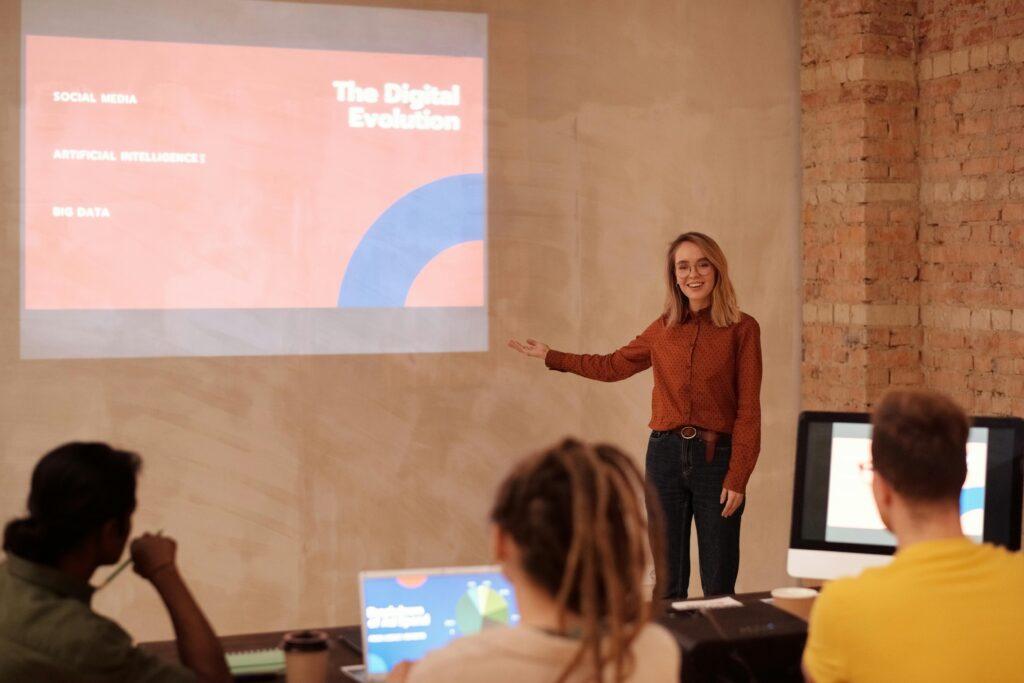
Artificial intelligence dominated the agenda, but not just as a technical achievement. The emphasis has shifted from early curiosity to real adoption and business outcomes, with a focus on playbooks, proof, and people, specifically ensuring women are leading in the AI revolution.
For instance, at specialized events like the Women in AI Summit, discussions center on AI governance, generative AI adoption, and responsible AI at scale, turning ethics into action rather than an abstract principle.
UNESCO’s Women4Ethical AI platform also addresses how AI technologies can perpetuate or challenge existing gender biases, examining issues from gender stereotypes in generative AI outputs to women’s representation in AI development and deployment.
Leadership Diversity and DEI in Focus
This year’s Grace Hopper programming emphasized wealth creation, career advancement, pay equity, entrepreneurship, and long-term financial strategy, which is a recognition that true diversity requires addressing systemic economic barriers, not just representation.
Industry research shows that organizations with good representation of women on their boards report 10% higher financial performance than counterparts with all-male or minimal women representation. Yet women make up less than 25% of those working as AI specialists and even less in technical leadership roles.
The conversation has evolved beyond simple inclusion metrics. Conference tracks now explore building diverse tech teams, navigating leadership challenges, LGBTQ and women’s leadership journeys, and retention strategies for remote-first teams. Events feature executives who have earned recognition as top AI leaders and thought leaders in agentic and generative AI, demonstrating that women are already shaping the field’s cutting edge.
A Mounting Priority In Cybersecurity
Cybersecurity concerns in 2024 have centered on AI’s dual nature, improving data protection and threat detection while also being weaponized by threat actors to accelerate social engineering attacks.
The cybersecurity landscape for 2025 is being influenced by generative AI evolution, digital decentralization, supply chain interdependencies, regulatory changes, endemic talent shortages, and a constantly evolving threat environment, according to Microsoft.
A critical emerging concern is cybersecurity burnout and its organizational impact, with industry leaders recognizing the need to invest in teamwide wellbeing initiatives that demonstrably improve personal resilience.