
While The World Watches The Game, She Is Watching The Door





This article was contributed by guest writers Rhiana Spring, Founder and CEO of Spring ACT, and Mustapha Lawal
For millions of people around the world, the FIFA World Cup is a celebration. Families gather around televisions, friends fill bars and public squares, and entire nations pause to watch what unfolds on the pitch.
But for many women, major soccer tournaments can mean something very different.
Somewhere tonight, a woman will find herself calculating how much alcohol her partner has consumed before kickoff. She will monitor the mood after a missed penalty. She will know exactly how long to wait before entering the living room after a defeat. She will silence her phone, avoid eye contact, and hope that this match ends differently from the last one. Rather than a sport or a community celebration, soccer becomes a risk assessment for her.
Soccer does not cause domestic violence. Abusers do. But major sporting events act as accelerants, intensifying existing patterns of intimidation and control. Heightened emotions, alcohol, gambling losses, and deeply ingrained ideas about power combine to create conditions that make already dangerous situations more volatile.
This is the part of soccer that rarely makes the headlines. Yet for countless women and children, it is every bit as real as what unfolds on the field.
Domestic violence rises when the team loses. It also rises when the team wins. Reports of abuse spike by as much as 38 percent after a defeat and 26 percent after a victory. The score has nothing to do with it. The pattern holds across countries, cultures, and competitions.
As the world gathers to celebrate soccer, we must also confront an uncomfortable truth: for many people in dangerous homes, this tournament represents one of the most dangerous periods of the year.
And this year, the danger is compounded by another crisis. The very organizations that people in these situations depend on are struggling to survive themselves.
Domestic violence services are facing devastating funding cuts. Shelters are reducing capacity, and staff are being laid off. Yet demand is not shrinking. Local hotlines are currently answering an average of 16 life-saving calls every minute, even as emergency shelter spaces remain in critically short supply.
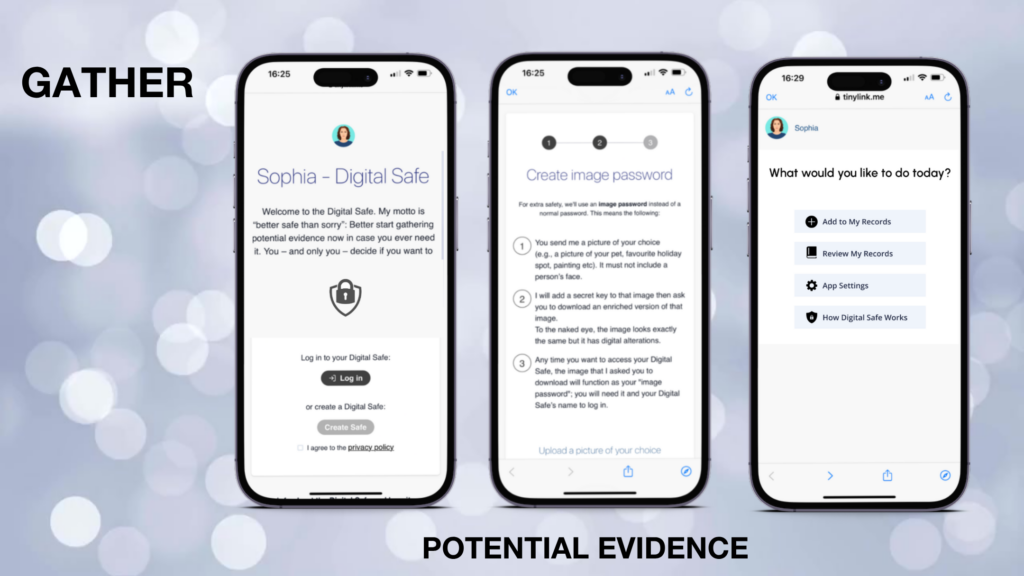
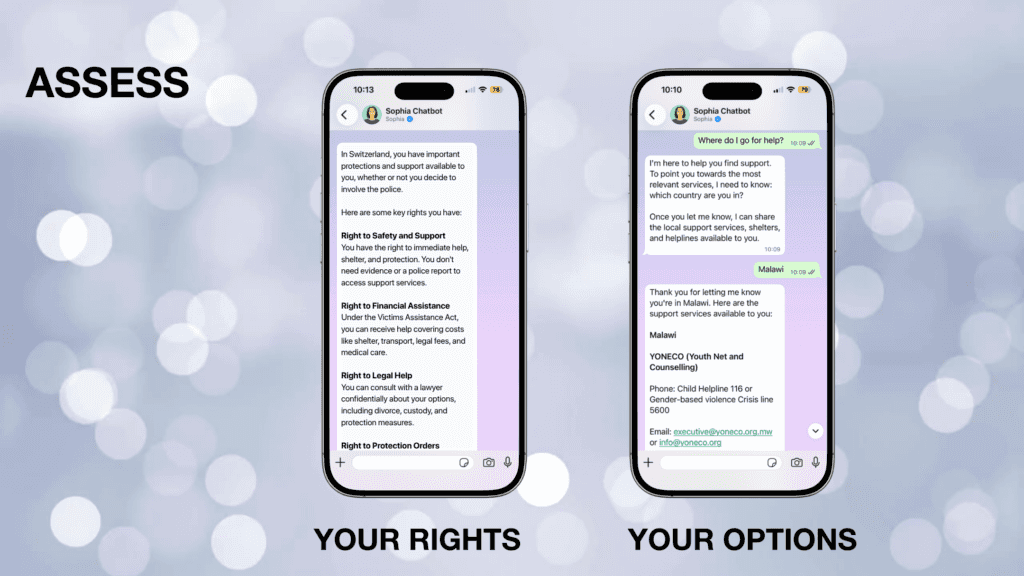
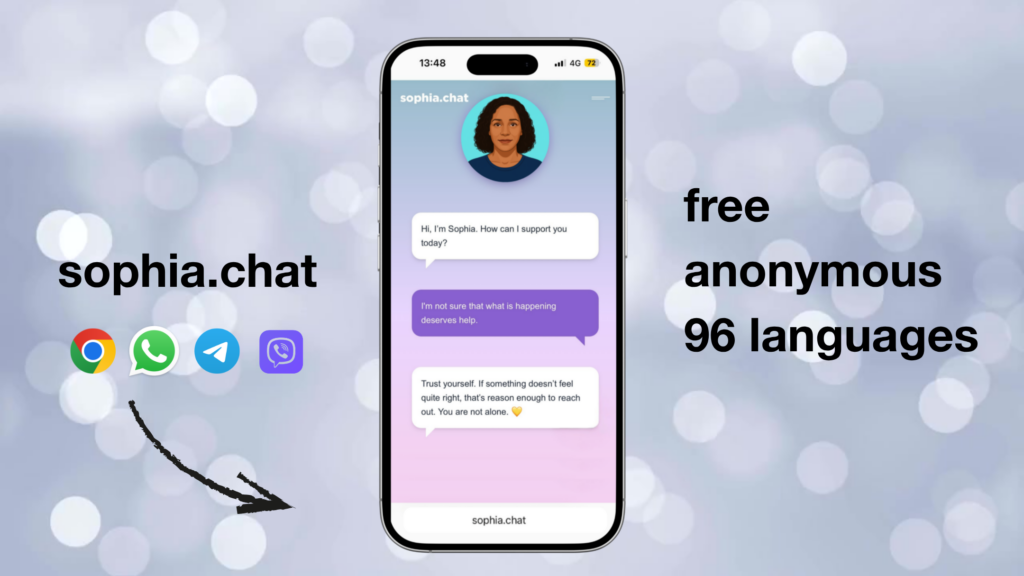
At Spring ACT, we see the consequences of this reality every day. Through Sophia, our AI-powered support tool for people affected by domestic violence, we have facilitated more than 51,000 confidential conversations across 182 countries. We are there for those who do not know where to turn, who to trust, or whether what they are experiencing is even abuse.
Like many organizations working on the front lines of domestic violence, we recently lost a major funding partner. Yet the messages from people needing help have increased.
In over a decade of this work, speaking with people from every continent, one thing remains remarkably consistent: many can tell you exactly what triggered a violent episode. A sporting event, a gambling debt, too much alcohol, a bad day at work.
That is why we must stop treating these spikes as inevitable side effects of sporting culture and start treating them as warning signs that demand action.
Technology is not a replacement for frontline services. It never should be.
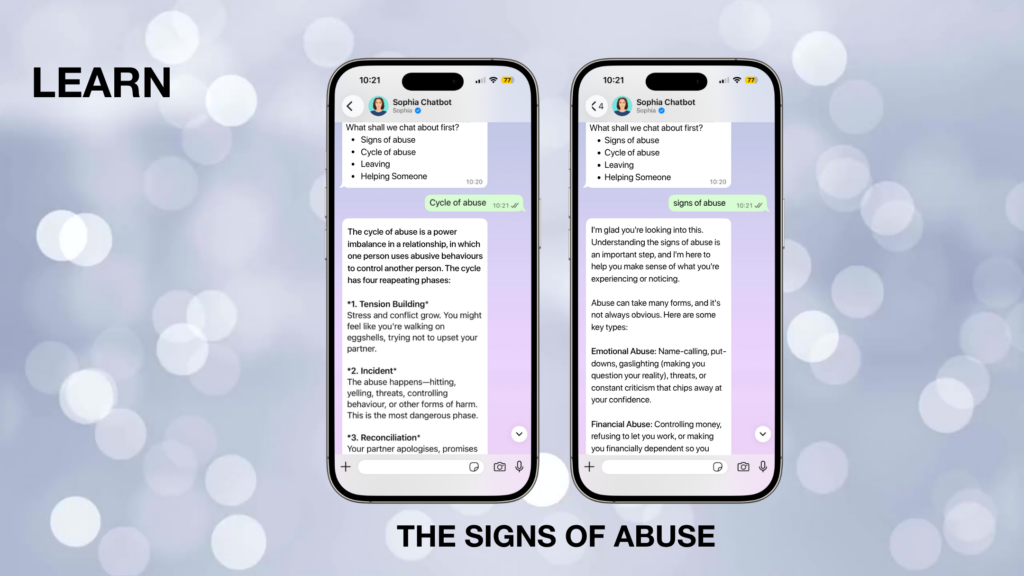
But when shelters are full, when hotlines are overwhelmed, and when people are isolated, technology can help bridge critical gaps. It can provide information, safety planning, referrals, and reassurance at any hour. Most importantly, it can remind someone that they are not alone.
Yet this conversation cannot be limited to those working in the sector. It must involve everyone.
If one in four women in the US experiences violence during her lifetime, then every one of us knows someone who has experienced abuse, whether we realize it or not. A colleague, a neighbor, a sibling, a friend. Someone you know has been there. Even if there are no visible signs. Even if she is suffering in silence.
If you work in government, protect funding for domestic violence services. If you are worried about a friend, check in. If you notice a colleague becoming increasingly withdrawn, isolated, or anxious, create space for a conversation. If someone chooses to confide in you, listen without judgment. Believe them. Do not ask why they stay; ask how you can help them stay safe.
This beautiful game should never come at the cost of human lives. The World Cup will eventually end. A champion will lift a trophy, and the headlines will move on. But the woman calculating risk before kickoff tonight will still be there after the final whistle. The question is whether someone will be watching out for her.
About the Author
Rhiana Spring is a trained international human rights lawyer and early AI entrepreneur who builds technologies to tackle the world’s most entrenched injustices. With the United Nations, the Foreign Ministry, and legal teams, she has worked to promote and project human rights across four continents. As the Founder and CEO of Spring ACT, she built the world’s first chatbot empowering victims of domestic violence in the US and globally. To date, Chatbot Sophia has facilitated 51,000 conversations in 182 countries and 96 languages. Her work has been awarded at the highest level by the United Nations, WEF, and the President of Switzerland.
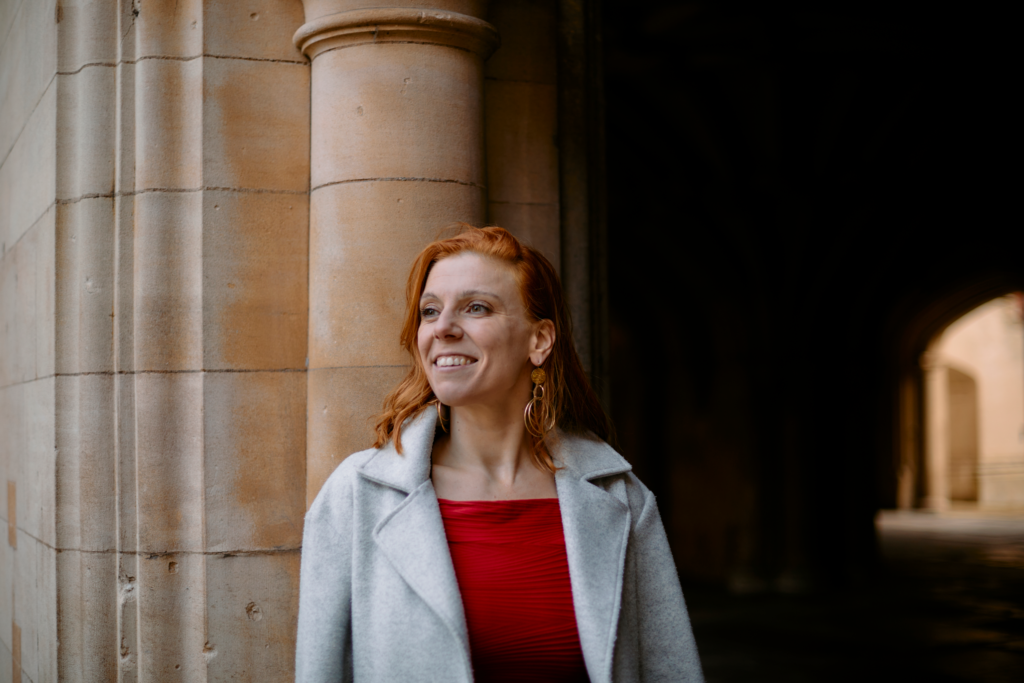
Rhiana Spring is also a lifelong soccer fan and season ticket holder who has followed her team to away matches across the country and abroad.
SOURCES
Kirby, Rose, O’Flaherty, “Can the FIFA World Cup Football (Soccer) Tournament Be Associated with an Increase in Domestic Abuse?”, Sage Journals, (2013).
Ndumele, Nidiry, “Justice Department Slashes Essential Services for Crime Victims “, Brennan Centre,(2025).
20th Annual Domestic Violence Counts Report, National Network to End Domestic Violence, (2026).