Why Is Black Maternal Health Still Treated As A Debate?





The crisis of Black maternal health in America is not a new conversation, but it remains a deeply frustrating one. Despite years of data, political debates, and non-profit organizing, the lived experiences of Black birthing people are still treated by the broader culture and medical professionals as a subject up for debate.
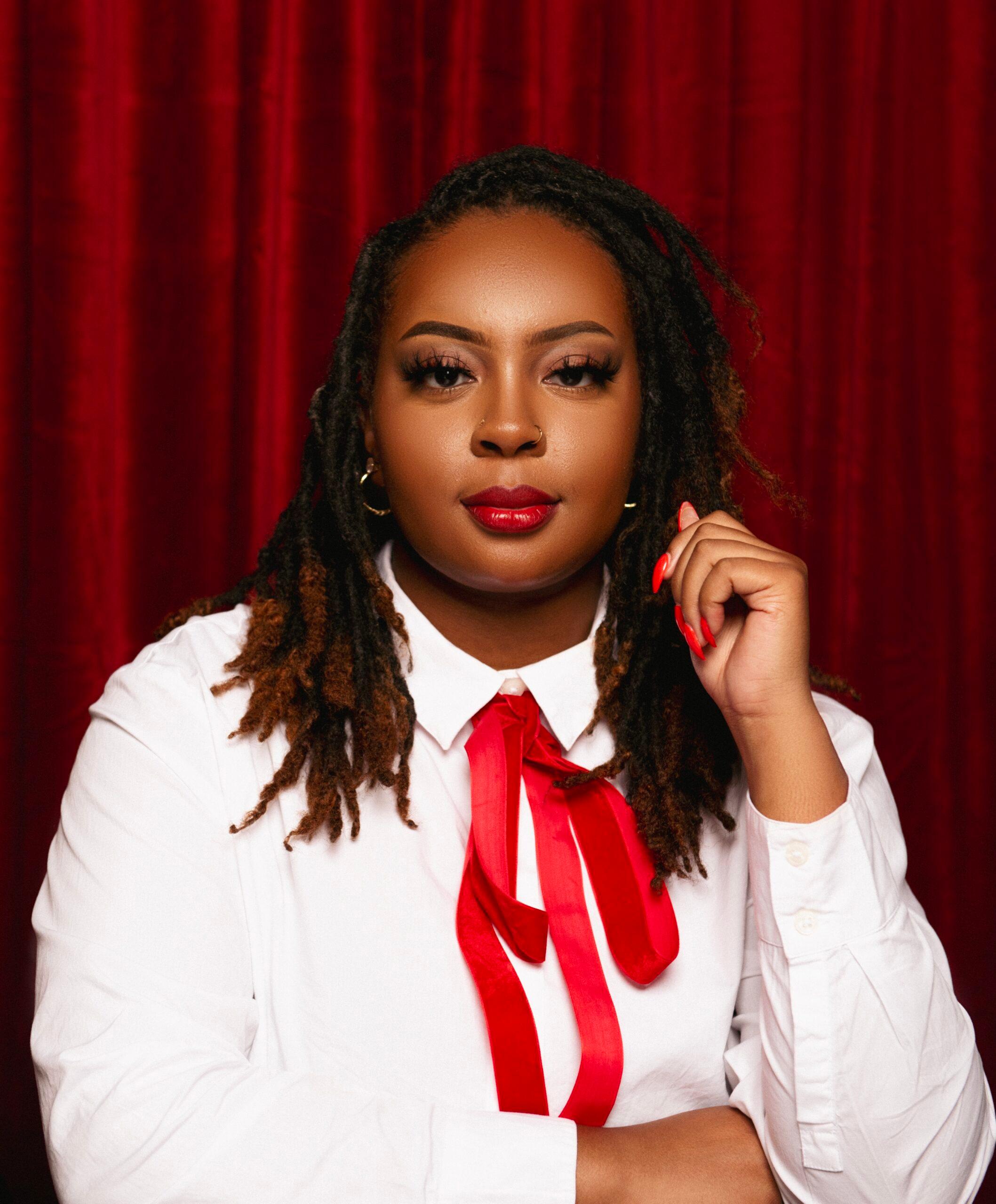
Recently, actress and Black maternal health advocate, Tatyana Ali, released a powerful video shared on her social platforms. In the video, Tatyana addressed the fallout from a clip of her birthing story. While appearing on a podcast to discuss her children’s book and her business, Baby Yams, the actress and mother recounted a traumatic moment during delivery when her son was physically pushed back inside her body.
Though this is not her first time telling her story, it sparked a conversation about medical accountability. However, the clip was stripped of its context and weaponized as internet clickbait. Worse, healthcare professionals took to the comment sections to debate the validity of her medical trauma. And according to Tatyana, this was very disappointing to see and hear.
“We’re not sharing our stories for you to debate on the truth of what we’re talking about,” she stated flatly. “We’re sharing our stories so that we can get the help that we need… People thought they could do whatever they wanted to do with my body, and they did. And that’s happening all over. We’re not being believed. We’re not being heard.”
The Truth Of Medical Disbelief
The online skepticism directed at the topic of Black maternal health is a micro-reflection of the systemic issues Black families face. Unfortunately, white supremacy is embedded within the American healthcare system, and Black women are not dying in delivery rooms because of individual genetic choices; they are dying because of a historical legacy of medical racism that dictates Black bodies do not feel pain, and Black patients exaggerate their pain.
The data backing this crisis is stark. According to the Centers for Disease Control and Prevention (CDC), Black women are 3x more likely to die from a pregnancy-related cause than White women. What makes these statistics truly devastating is that the CDC estimates over 80% of these pregnancy-related deaths in the United States are entirely preventable.
When healthcare professionals take to the internet to debate a mother’s memory of her own delivery rather than address the failures of the system, they actively contribute to the environment that keeps these mortality rates high.
On top of the danger Black women face, reproductive rights for all women continue to be under attack. According to advocacy data from Reproductive Freedom for All, maternal mortality rates are consistently highest in states with strict abortion bans. With over 57% of Black women (of reproductive age) living in the South, Millions of Black women live where reproductive healthcare access has been heavily gutted.
From the abortion bans to the dismantling of maternal mortality review boards and threats to cut Medicaid, the institutions meant to serve as a safety net are putting everyone at risk.
Socioeconomic status doesn’t seem to be at play here. In addition to Tatyana, several other Black celebrity mothers have openly discussed their birthing stories, including star athlete Serena Williams, Beyoncé, and Judge Hatchett’s daughter-in-law, who died shortly after giving birth in 2016. Even still, Black women living in low-income or rural areas face even more discrimination.
Make The Solutions Go Viral
The ultimate takeaway from Tatyana’s message is a call to shift our collective attention. The trauma of Black mothers shouldn’t be consumed as internet entertainment. Instead, the focus must shift entirely toward community-led, Black-led birth justice solutions.
Real reproductive freedom requires heavy investment in Black and Indigenous midwives, community doulas, and culturally aware care. Ali founded her company, Baby Yams, to celebrate the peace she finally experienced when she bypassed traditional systemic hostility and placed her care in the hands of an incredible Black midwife.
True systemic change will only happen when the medical system stops treating Black maternal health as a debate and instead starts treating it as sacred. It is time to stop making the trauma viral and finally start making the solutions viral.