Why Job Hunting In 2025 Felt Like Applying To Volunteer





The saying “applying for a full-time job is a full-time job” rang true for many last year. In this economy, finding a job almost felt like volunteering countless hours and energy. The 2025 job market was essentially demoralizing for workers—particularly women.
There are several factors identified that result in the lack of jobs, the intense job market, the long, excruciating job applications, prolonged waiting to hear back from a company, and the scheduling of interviews. This makes it hard to stay hopeful of landing a job, which is why candidate ghosting exists.
Her Agenda has pinpointed the major reasons job hunting in 2025 felt like more of a chore than an opportunity to excel. For millennial women, these challenges come as another burden to the obstacles that are already present at birth in the job market for solely being a female.
AI-Driven Hiring Systems
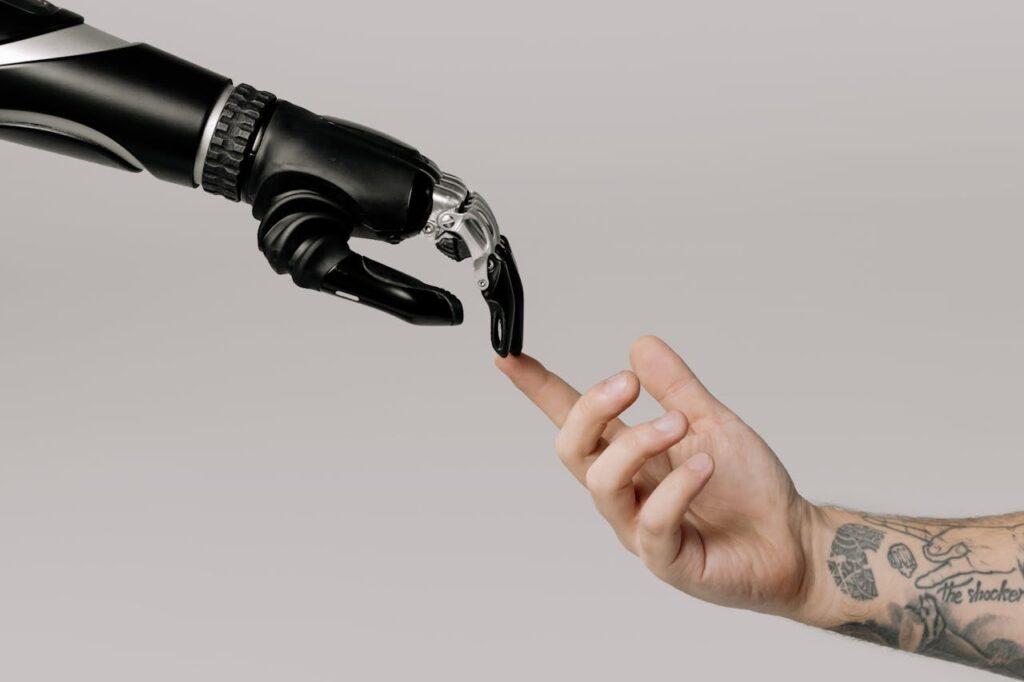
According to HR Dive, nearly three-quarters of workers say being interviewed by an AI agent would change their perception of the company, according to a report from SHL. Although most workers said they’re open to interacting with an AI interviewer, they still want human involvement and accountability in the process, the firm found.
AI takes away the personal interaction of interviewing a potential employee, and in return, the employee isn’t able to get a feel for the job to adequately understand and form a clear judgment of whether the job is capable for them. Although AI is designed to make things go smoother and quicker, ultimately, human interaction, especially when hiring someone, is still needed.
Candidate Ghosting
In reference to LiveCareer’s Candidate Ghosting & AI Report, which surveyed more than 900 human resources professionals in the U.S., HR professionals indicated that AI-driven interactions may unintentionally prompt job seekers to disengage and drop out of the hiring process.
- 88% of HR professionals reported being ghosted by candidates midway through the hiring process.
- 71% said it’s happening more often compared to last year.
- 65% of respondents said AI has definitely contributed to the rise in candidate ghosting.
Long interviews, prompts, and videos often deter potential employees due to the lack of opportunity to ask questions. There is only so much AI can do. Candidates want to get to know who they’ll be working with and for, not volunteer for surveys after having taken an aptitude and personality test.
Prolonged Career Gaps
The data collected by Live Career indicates that the labor market has not stabilized since the start of the pandemic and has become an increasingly tough landscape for the workforce.
Even when factoring in periods of labor shortages experienced in recent years, a significant portion of workers have battled with employment gaps in a resume. The steady increase in layoffs and what many are calling a white-collar recession has left professionals struggling with how to address these gaps with prospective employers.
Since COVID-19, many people have experienced gaps in their employment, as companies are keen to hire freelancers, temporary, seasonal, and contract workers. This makes for a choppy resume, yet the economy is unpredictable, which leaves this issue out of candidates hands.

Ways To Adapt Strategically
- Networking and having connections are the number one ways to land a job in the current job market. By doing so, this will allow your resume to be seen, rather than being an email amongst many. Another alternative is creating your own business.
- Entrepreneurship is all about believing in yourself, as no one else could. You can get a grant for your business from federal, state, local governments, foundations, and corporations, many of which are non-repayable.
- Upskilling is another option that allows you to take courses and gain certifications. Most libraries offer free online courses as well as Coursera.