Why Women Are Prioritizing Skill Stacking Over Job Hopping





The traditional career advice to switch jobs to climb the corporate ladder is being reconsidered, especially by professional women. While job hopping (frequent moves between employers to advance one’s career) has long been promoted as a strategy to accelerate salary and experience gains, a growing cohort of women is instead embracing skill stacking, per Forbes.
Skill stacking is the act of intentionally building a unique set of complementary skills to increase career adaptability and market value.
Here’s exactly why more women are pivoting their focus to skill stacking over the traditional job hop.
Greater Career Resilience

SOURCE: PEXELS
In industries experiencing rapid technological evolution, from artificial intelligence and machine learning to digital marketing and e‑commerce, professionals must continuously adapt or risk obsolescence.
For women, building a broader skill portfolio creates a form of career insurance. For instance, a marketing professional who also masters data analytics and UX design is better positioned to transition if her company restructures or if a career break becomes necessary.
Skill stacking allows women to pivot into emerging roles without needing to start from scratch, providing both confidence and leverage in uncertain job markets. According to Forbes, resilience is particularly valuable in tech-driven sectors where job requirements can shift dramatically within a few years, making traditional linear career paths less reliable.
Flexibility And Adaptability
Women often navigate multiple responsibilities outside of work, including caregiving, community involvement, and continued education.
Skill stacking supports incremental, self-directed growth, enabling women to acquire high-value competencies without relying on promotions, organizational restructuring, or external job changes, as per McKinsey & Company. For example, a woman may enhance her project management skills online while simultaneously developing expertise in social media analytics, gradually increasing her professional versatility.
This approach allows for flexible career progression that accommodates personal circumstances, empowering women to adapt their career trajectory at their own pace without sacrificing long-term opportunities.
Addressing Advancement Gaps
SOURCE: PEXELS
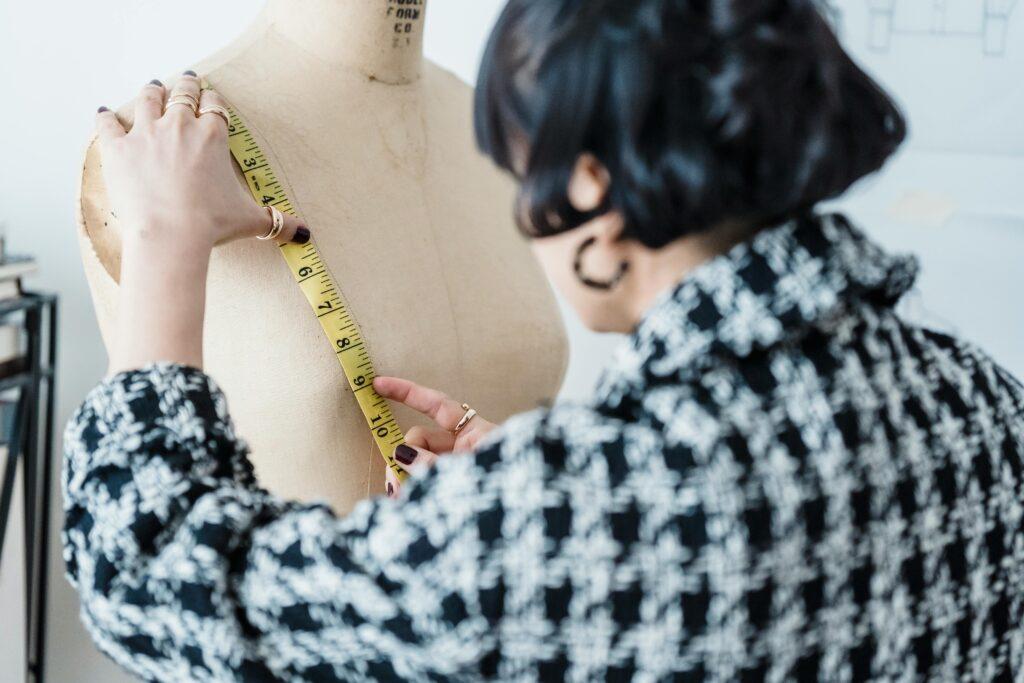
Despite progress in workplace equality, research from McKinsey & Company also shows women are still less likely than men to accrue promotions, leadership experience, or strategic responsibilities at the same rate, often due to structural workplace dynamics and caregiving obligations. By intentionally building a layered skill set, women can proactively bridge these gaps. For instance, adding technical proficiency or financial literacy to an existing management skill set enhances both credibility and influence, making women more competitive for senior roles.
Distinctive Market Positioning
Skill stacks, like blending communication, coding, and analytics, create distinctive professional identities that are difficult to replicate. This approach signals versatility to employers, making candidates more attractive for innovative projects or hybrid roles, as per She Work.
It also allows women to position themselves as thought leaders in niche intersections of expertise, opening doors to opportunities that might not exist for those relying solely on conventional qualifications.