Why Women Are Rejecting The Unspoken Pressure To Be ‘Low Maintenance’ At Work





Women have navigated invisible workplace expectations: be capable, but don’t ask for too much. Be present, but not demanding. Be a team player, but don’t rock the boat.
According to the Global Coaching Lab, women face what experts call a “double bind,” constantly toggling between being perceived as “too much” or “not enough” across various professional dimensions.
There’s an expectation that women “should take on anything that you ask them to do, and do it happily, with a smile, without asking for anything in return, while showing gratitude and no complaint,” as stated by the Harvard Division of Continuing Education (DCE).
This unspoken pressure to be “low maintenance” has shaped women’s professional behavior in ways that ultimately limit their advancement and well-being. Now, offices are adapting
1. Redefining ‘Low Maintenance’ And Self-Advocacy

SOURCE: PEXELS
Instead of downplaying accomplishments or avoiding difficult conversations, women are increasingly asserting themselves and speaking up about pay, promotions, and workplace value, even when doing so may spark backlash or discomfort.
One notable example of this shift is rising companies like PepTalkHer, a platform founded by Meggie Palmer to help women track victories and build confidence, especially around negotiation and self-advocacy. Meggie’s motivation comes from confronting gender-based pay inequality in her own career, and the app functions like a “career brag book,” helping users record achievements they can reference in discussions with managers or during performance reviews.
2. Encouraging Open Discussions About Compensation
A central theme in modern workplace expectations advocacy for women is normalizing transparent discussions about pay and benefits. Historically, women have been socialized to avoid talking about compensation, which contributes to persistent pay gaps and missed opportunities to correct inequities.
According to Harvard DCE, organizations that support honest, open communication about compensation and career growth empower employees to negotiate more effectively and advocate for fairness.
3. Workplace Expectations Experts Call For Honest Communication
SOURCE: PEXELS
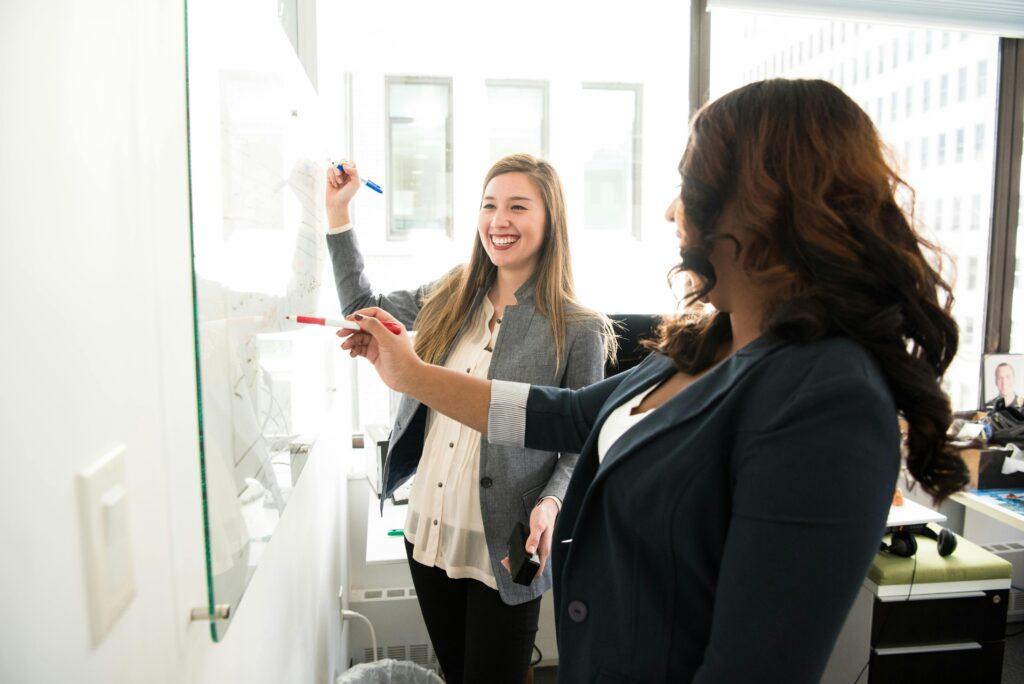
Workplace consultants and organizational development experts are placing an even greater emphasis on authentic, direct workplace communication. In particular, they point out that gendered communication norms, which often reward modesty more in women and assertiveness more in men, can disadvantage women if left unaddressed.
Harvard DCE consistently highlights that effective negotiation and self-advocacy skills are essential for women navigating workplace challenges and that organizations must explicitly support that growth.
4. Progress In Organizational Gender Equity
Formal workplace structures are also slowly adapting as more women reject the unspoken expectation to be “low maintenance” at work. Instead of minimizing their needs or staying silent, women are increasingly advocating for equity, flexibility, and inclusion. In the technology sector, for example, surveys show measurable progress in how gender equity is experienced.
According to Checkr’s 2024 workplace equality survey, many women report feeling improvements in gender equity and inclusion, suggesting that organizational diversity and inclusion efforts are starting to impact real experience.