How Women Are Launching Ghosts Kitchens Or Niche Food Brands For Seasonal Demand





In a booming market, women entrepreneurs are capitalizing on the rapid growth of ghost kitchens and seasonal food brands to meet evolving consumer cravings. Globally, the ghost kitchen industry is projected to hit $78 billion in 2025, up from $64 billion in 2024. This surge reflects a lasting shift toward delivery-first dining: nearly 70% of consumers say they’ve ordered from a virtual restaurant, and average order sizes from ghost kitchens are roughly 20% higher than traditional dine-in orders.
Against this backdrop, many women are bypassing the high costs and long-term commitments of brick-and-mortar restaurants. Instead, they’re launching delivery-only ventures that maximize creativity, flexibility, and business strategy.
What Are Ghost Kitchens And Niche Seasonal Food Brands?
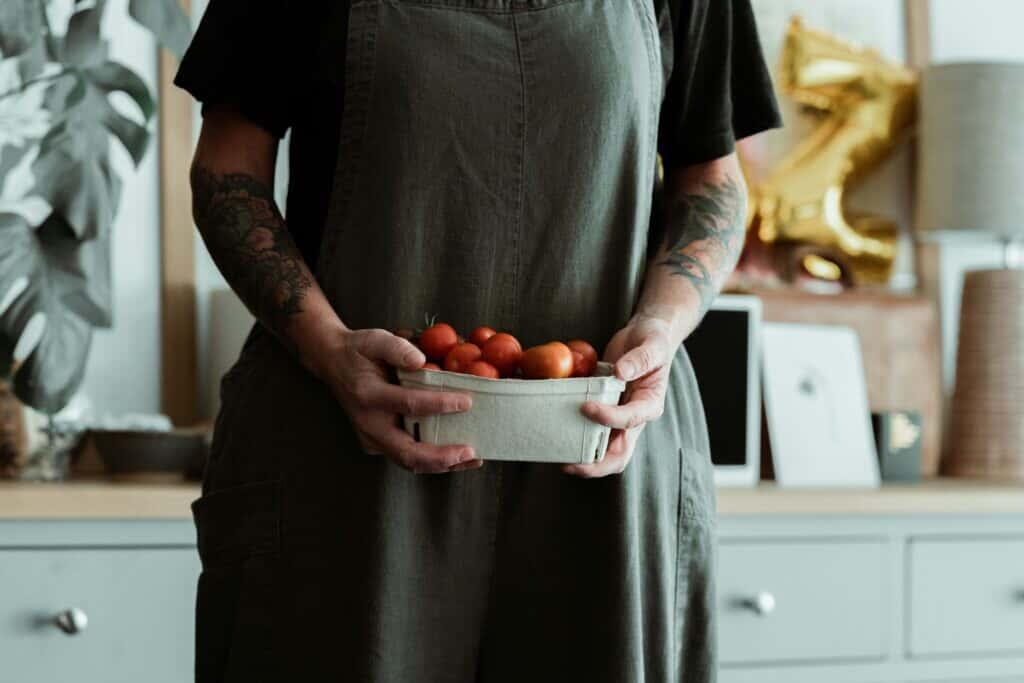
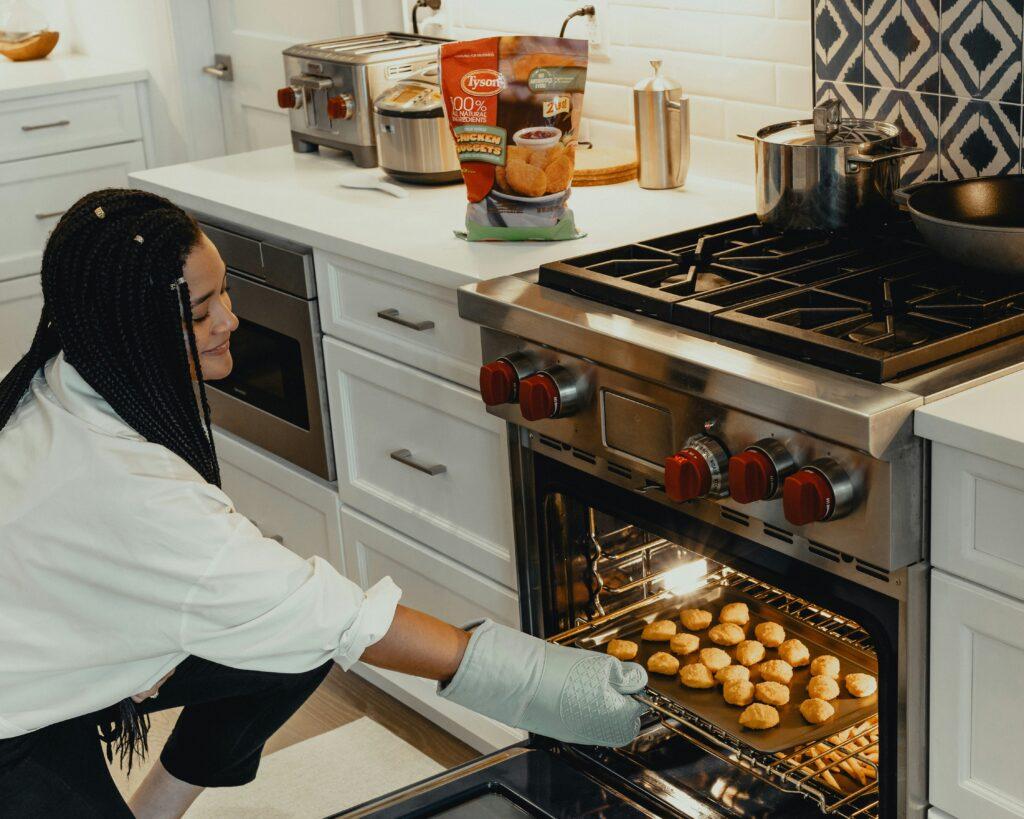
A ghost kitchen is a commercial food-prep facility designed strictly for delivery, with no front-of-house dining. These kitchens often operate in shared or commissary spaces and rely on platforms like Uber Eats or DoorDash to reach customers.
Niche seasonal food brands are hyper-focused menus or products that are offered for a limited time. For instance, pumpkin-spice pastries in autumn, floral-inspired treats in spring, or iced fruit bowls during summer. These ventures let entrepreneurs test creative ideas, respond to trends, and scale up or down as demand dictates.
Why These Models Are Especially Popular With Women Entrepreneurs
For women eyeing a food-business entry point, ghost kitchens or pop-up brands offer an appealing, low-risk route. Without needing expensive real estate or full restaurant staffing, startup costs are significantly lower. The flexibility aligns well with those balancing other responsibilities, like parenting, a side job, or caregiving.
Meanwhile, seasonal brands provide a way to experiment. They allow women to lean into their culinary passions, whether it’s a heritage-inspired dessert or a holiday-themed comfort food. This comes without the burden of sustaining a year-round operation. The agility of these models offers room to pivot, adapt, and iterate quickly.
Women Leading The Charge
One standout is Conchitha Hargrove, founder of VFC Kitchens in Georgia. A former financial controller and mother of seven, she now runs nearly 40 virtual “restaurants” out of a single kitchen, spanning everything from tacos to celebrity-branded menus. Her success shows how scalable and powerful virtual food operations can be.
Another innovator is Kristen Barnett, CEO of Hungry House, whom after working in ghost kitchen operations, launched her own virtual network. Instead of faceless brands, she emphasizes transparency and creative ownership, giving chefs control over their menus, voice, and data. Season One of Hungry House features virtual concepts around Caribbean cuisine, modern Filipino dishes, and smashburgers, each rooted in a chef’s unique culinary identity.
And then there’s Camilla Opperman and Samantha Slager, co-founders of Nimbus, a shared kitchen and co-working space in New York. Their model supports underrepresented food entrepreneurs by making commercial kitchen access more affordable, while also cultivating community and collaboration through events and shared infrastructure.
How These Ventures Tap into Seasonal Demand
These women-led businesses are uniquely suited to ride seasonal waves. With lower fixed costs, they can launch limited-time menus tied to holidays, cultural celebrations, or social media trends. If a concept doesn’t resonate, they can pivot fast by retooling menus or retiring the brand without heavy losses. This flexibility fuels innovation in everything from smoothie bowls to cozy winter stews to plant-based holiday treats.
However, operating in the delivery-only space isn’t without obstacles. Margins can be tight. Delivery platforms often take 15–30% in fees. At the same time, building brand loyalty when customers never walk into a physical space demands clever marketing, consistent quality, and thoughtful packaging.
But for many women, the trade-offs are worth it. They leverage their vision, creativity, and operational smarts to build lean, nimble businesses. By launching part-time or in shared facilities, they reduce risk while keeping the door open to scale. Over time, their virtual brands may evolve into full-blown culinary empires or remain seasonal passion projects that drive both pride and profit.
As the ghost kitchen sector matures, women are not only participating; they’re leading. Their ghost kitchens and niche food brands are more than business models: they’re expressions of creativity, strategy, and empowerment.
By merging agile business frameworks with culinary vision, these entrepreneurs are redefining what it means to succeed in the food industry, proving that impact doesn’t require a storefront, just innovation, hard work, and a bit of seasonal magic.