A Media Dynasty: The 100 Year Evolution Of Black Media Ownership





Black media has come a long way since Freedom’s Journal’s 1827 debut. Founded by Samuel Cornish and John Russwurm, a four-page, four-column standard-sized weekly hit the stands on March 16th. Freedom’s Journal was the first Black-owned and operated publication in the United States, paving the way for media as we now know it.
Black media ownership is a cornerstone of the Black community. Providing valuable resources, coveted information, and a strong glue connecting the culture. Black media recorded the history of yesterday and will inspire the generation of tomorrow.
Black Media Moved The People
Fast forward to the year 1905, the age of “The Great Migration.” At the center of this mass exodus of African-Americans from the South sat The Chicago Defender. This popular publication positioned Chicago as a place of opportunity for Black people. The power of the press guided Black families from the South to prosperity in the North, Midwest, and Western states of the country.
Breaking Barriers
The work pioneered by The Chicago Defender shaped the future of America’s most successful daily newspaper, Atlanta Daily World. This newspaper successfully obtained advertisements from national companies such as Coca-Cola and employed the first reporter, Harry McAlpin, to cover a presidential press conference.
Shaping Black Pride

The media has the power to define beauty, highlight success, and provoke change. Publications such as Ebony, Jet, and Essence played a crucial role in how African-Americans maintained pride, celebrated beauty, and rallied for the Black community. Though ownership of some of these publications has transferred several times, the core has always been Black excellence.
The Nieman Reports goes on to explain how Jet is credited for igniting the civil rights movement in 1955. Jet published photographs of 14-year-old Emmett Till’s mutilated body. This information sparked the mobilization of the Black community and fueled organizations to invoke change.
Turning The Dial
Detroit, MI, was home to the first Black-owned television station in the United States. Named WGPR-TV, this station was founded by William Venoid Banks,according to VOP News, a Media company. This revolutionary accomplishment paved the way for the January 25th, 1980 launch of the iconic Black Entertainment Television, aka, BET. The TV channel was created out of the desire to have the story of the African-American community told, according to a video created by BET to celebrate its 40th anniversary. Culture-shifting programs such as “Bobby Jones Gospel,” “Video Soul,” “BET News,” “106 and Park,” and “Citia’s World” were a mirror of the culture and a lifeline to the community.
Domination of The Silver Screen
Spike Lee has set high standards in the film industry, impacting Black writers, according to Vocal Media. Lee’s self-funded debut feature film, “She’s Gotta Have It,” premiered in 1986, shocking the world with its unapologetic and intimate portrayals of Black characters. Lee’s vision helped open the door to writing diverse stories of Black characters and the African American experience.
The Claim To Creative Freedom
The 1990’s creative sketch comedy show, “In Living Color,” was created, written, and directed by Keenen Ivory Wayans. This show marked history and is known for being the claim to fame for several modern-day talents. The TV program has also been credited for the transformation of the Super Bowl halftime show. Before 1993, halftime shows were more of a chance to refill drinks and grab snacks. In 1992, “In Living Color” produced a halftime show, causing Super Bowl viewers to switch channels and not return to the game. In 1993, Michael Jackson became the first person to headline the Super Bowl halftime show.
A Digital Pivot Meant More Access
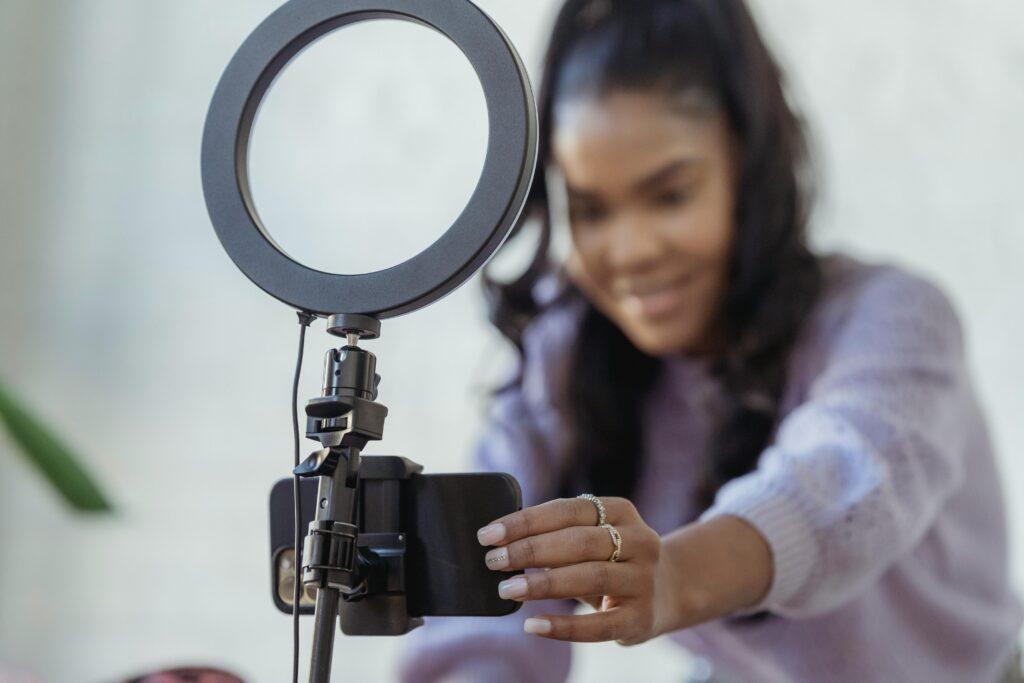
As the world moved online, so did the opportunity for more Black media outlets. The new digital age ushered in an entire landscape ripe for creating. Digital media outlets such as Her Agenda, The Curvy Fashionista, PaSH Magazine,The Shade Room,Blavity,and more provide readers access to representation, culture, validation, and community previously barred due to print being the primary method of distribution.
Technology has changed the way content is both made and consumed. Black creatives have impacted the culture of entire apps such as Musical.ly, Vine, and now TikTok, according to Essence. The culture is highly visible with dance challenges, the creation of an entire lingo, street style, and comedy. More modern series appear on platforms such as YouTube, with “An Awkward Black Girl” by Issa Rae leading to one of the most popular shows of the 2010s, “Insecure.”
More elaborate productions, such as the talk show “Unwine With Tasha K” hosted by Tasha K, or alternatively, social commentary from hosts such as Lovelyti, are actively shaping media’s creation, distribution, and monetization. Variety gives an exclusive interview with KeKe Palmer discussing her new digital network, which is a fusion of traditional Hollywood and independent studios. The media companies give us beautifully produced work packed with culture, storytelling, and a stronger sense of community. While pioneers such as Tyler Perry build entire ecosystems with legacy projects, such as Tyler Perry Studios.
A Legacy Of Innovation
The past 100 years of Black media highlight great achievements. The founders and creators believed in the power of media. The African-American community benefited by gaining access to great storytelling, compelling art, and memorable forms of self-expression.