Día de los Muertos Isn’t Halloween: What It Actually Means And How To Celebrate It Right


Because Día de los Muertos and Halloween arrive within one day of each other, store shelves often place sugar skulls, orange marigolds, and skeletal decorations alongside pumpkins and witch hats. It is easy to compare the two holidays, but doing so misses the heart of Día de los Muertos. Understanding its roots and learning how to honor the tradition allows us to appreciate one of the world’s most beautiful celebrations of life, death, and memory.
“This encounter between the living and the dead affirms the role of the individual within society and contributes to reinforcing the political and social status of Mexico’s indigenous communities,” as UNESCO puts it.
This Is What Día De Los Muertos (Actually) Is
This commemoration is based on the premise that death is a natural phase in the continuum of life. Families open their doors to temporarily reunite with those who came before them.
“The holiday on Nov. 1 and 2 is a moment in time to honor your ancestors and those in your family and community who have gone into the spirit world. It emerged from an Aztec ritual known as Miccaihuitl, and Miccaihuitl was an honoring of the dead, but it was also the time for harvesting. It was this moment for recognizing a seasonal change from light to dark as we’re transitioning into the fall,” according to Michelle Téllez, an associate professor in the Department of Mexican American Studies in the University of Arizona’s College of Social and Behavioral Sciences, in this article, “Día de los Muertos today is the bringing together of All Saints’ Day and All Souls’ Day with this traditional honoring of our ancestors.”
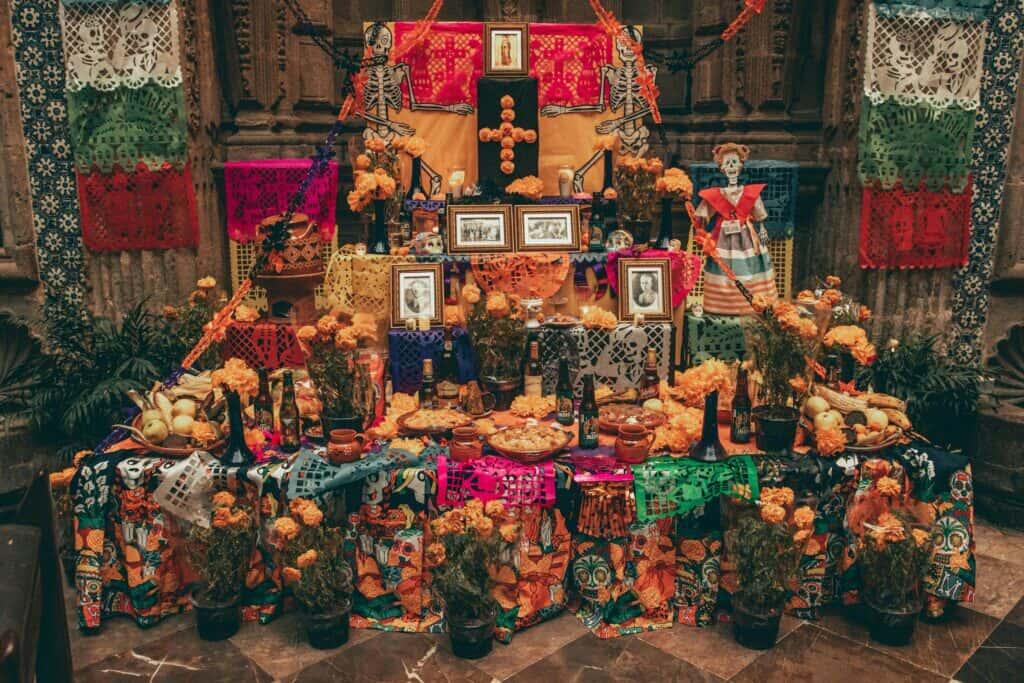
While every family has their own way to observe it, at the absolute center of Día de los Muertos is the ofrenda (altar). “The altars can be made in so many ways, but some of the core elements would be a photo of the deceased, their favorite foods, flowers. You can also include a representation of the four elements, so a candle or copal – incense – for fire, a cup of water, and then the wind and earth might be represented by papel picado,“ Téllez suggests.
How You Can Honor The Tradition
Cultural appreciation means taking the time to learn the story behind the tradition, honoring its history, and avoiding turning sacred symbols into party costumes. Here is how anyone can commemorate these dates in a more mindful way:
- Support Local Mexican Artisans and Businesses
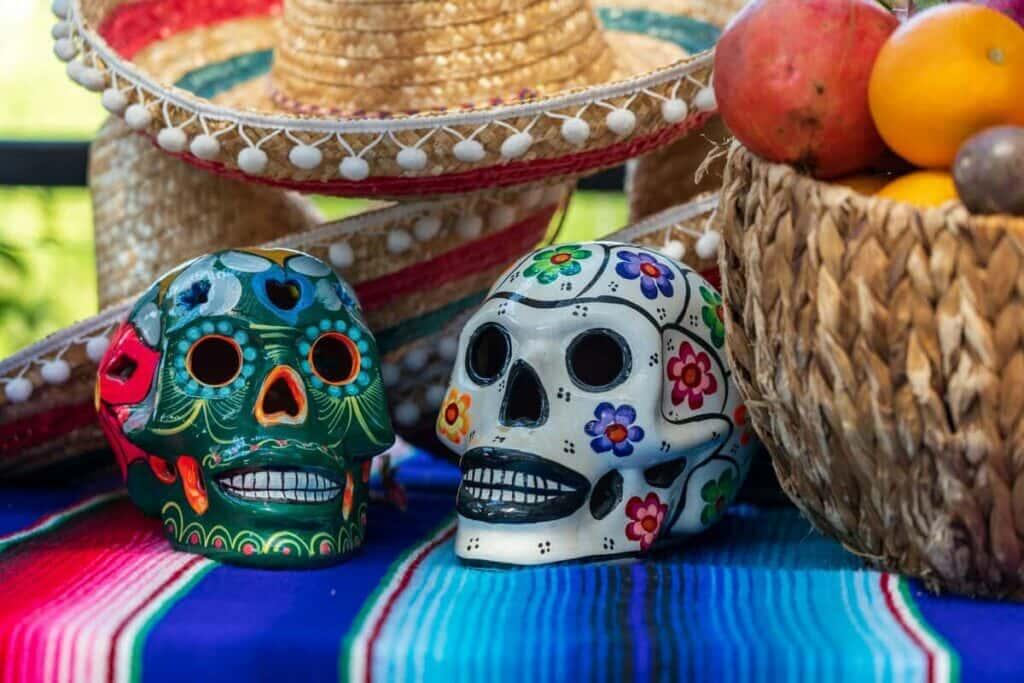
If you purchase items like pan de muerto, calaveras de azúcar (sugar skulls), or hand-crafted papel picado, make an effort to buy directly from local Mexican bakeries, markets, or authentic artisans.
- Learn The Story Behind La Calavera Catrina
“La Catrina is a skeleton woman wearing a European hat adorned with flowers and feathers. The image of La Catrina is attributed to José Guadalupe Posada, a cartoonist from Mexico who intended the image to mock those who tried to be more European and deny their indigenous heritage. He believed death was democratic and, in the end, we all ended up as skeletons no matter what our status was in life,” as seen in this article from the Center for Latin American and Caribbean Studies at the University of Kansas.
- Attend Community Events and Exhibitions
Many cultural centers, museums, and community organizations host public Día de los Muertos exhibitions, altar displays, and processions. Attending these events with an open mind, listening to community elders, and admiring the public ofrendas is a wonderful way to participate.
When surrounding death with light, color, music, and shared memories, Día de los Muertos is a reminder that love bridges every divide, even the one between life and what comes after.