Grieving The Ones We Weren’t Supposed To Claim: Hayden & Dolly





This article is a syndicated piece from THE CENTER | FOLD Substack by Kerbi Lynn.
Over the years, there have been some tough deaths that the Black community has had to face. Michael Jackson, Whitney Houston, Kobe Bryant, Chadwick Boseman, Angie Stone, Cicely Tyson, Tina Turner, and so many more. When we lose a Black celebrity, it’s more than just having loved their work… fans of these people often feel like they’ve lost someone they can relate to. However, there is a special connection that Black women seem to have with certain white celebrities, feeling left out of the grief for the celebrity, but feeling it deeply.
Within a stretch of ten days, Hayden Panettiere (August 16, 2026) and Dolly Parton (August 25, 2026) have made their transition. Obviously, the entire world is shocked and hurt by their passing. Specifically, Hayden, as she was a mere 36 years old, was open about her mental health and addiction struggles. But there is something to be said about the way that Black people, specifically women, will be grieving their passing.
It is no secret that these two ladies are white women. On the surface, there isn’t much that Black girls can relate to. But those in the community know that it is less than true. Though Black media representation has had its strong moments, there was a scarcity that only we noticed. Being the resilient humans we are, Black girls often found ways to relate to those who may not look like them but possess a light that makes us feel seen. Wherever there was warmth and understanding, Black girls followed closely. This isn’t about grieving them as if they were ours to claim. It’s about what their treatment in death reveals about what we’ve rarely been given in life.
For example, Anne Hathaway caught all our attention when she starred as Princess Mia in “The Princess Diaries.” The character’s quirky, outcast persona gave Black viewers something to understand as we experienced her struggles because of our race. This then translated to Anne herself as she continued to star in more movies we couldn’t get enough of.
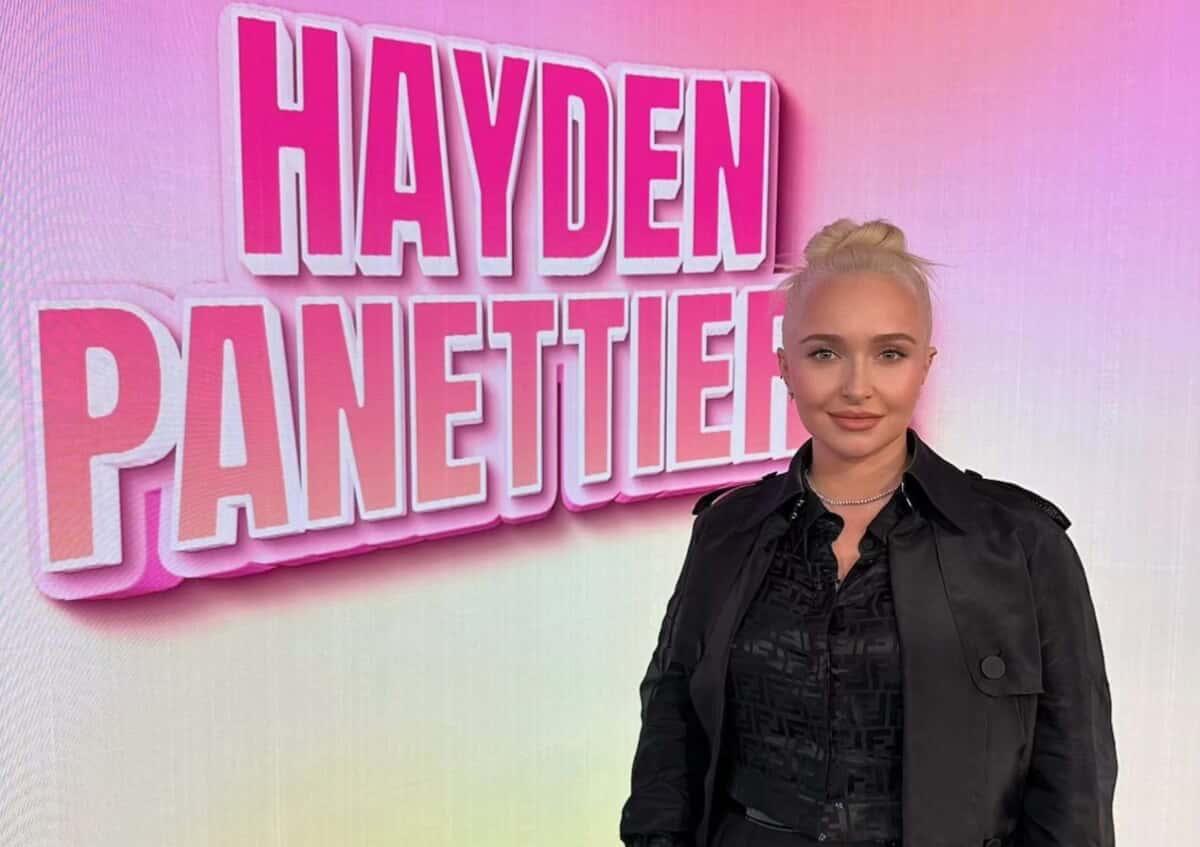
The same can be said of Hayden. We first saw her in “Remember the Titans,” a football-focused movie that documented the desegregation of a southern high school football team. The next time she caught our attention, she starred alongside Solange Knowles in “Bring It On: All or Nothing.” This movie, in particular, made her a household name among little Black girls in the late 2000s. Her role as Britney showed how she better understood Black culture, having moved to an all-Black school from her preppy, suburban upbringing. Watching her transition from an ignorant, uppity “white girl” to someone who fiercely defended her Black teammates made the Black girls of that time feel seen. Of course, there are many other roles that we loved her in, including “A Bug’s Life,” “Ice Princess,” and the “Scream” movie series.
Outside of her movie roles, she often spoke about the struggles she faced with postpartum depression and her subsequent substance abuse in public. Her openness and vulnerability were praised by many, but even more so by Black women. It is not the struggles that she had specifically, but the ability to other herself from the Hollywood norm. She pushed aside the societal expectations for someone like herself and advocated for those who would otherwise go unrecognized.
Furthermore, the more recent passing of Dolly Parton brings about more grief. Though southern Black people enjoyed her true southern roots and music, it was her commitment to helping the less fortunate that stood out. She openly accepted Black musicians into the genre that otherwise denied them access. She stood tall on her judgment-free morals, providing for those who needed it, regardless of race. Her work in increasing literacy rates in rural southern cities and her donations to the research of COVID-19 vaccines are just a few things we can thank her for.
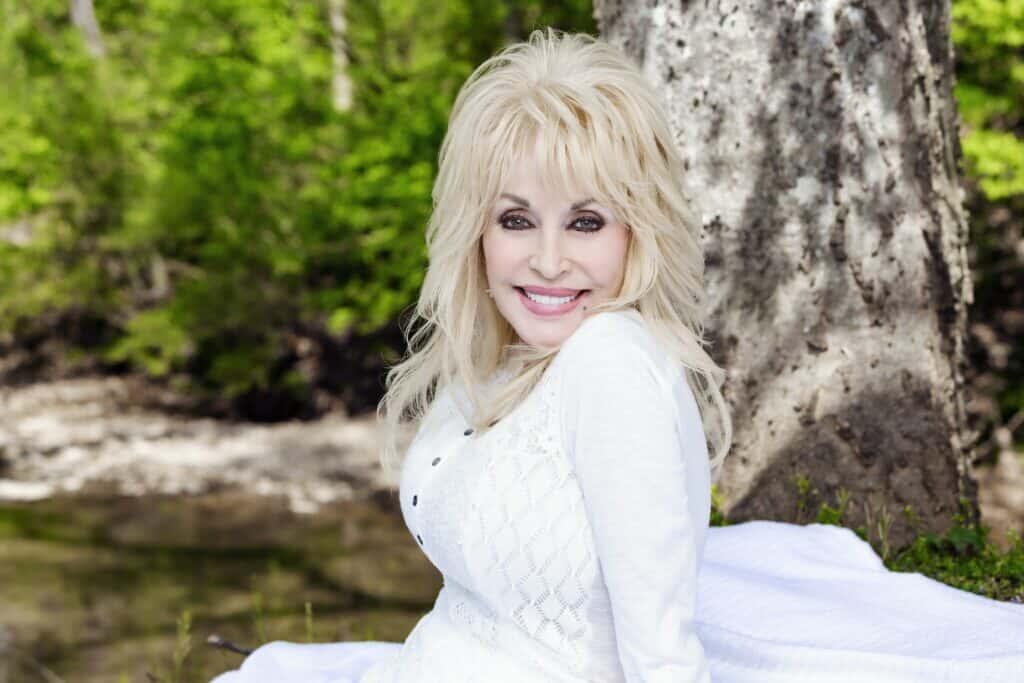
These things are just an addition to a personality that made everyone feel welcome. Because of her self-proclaimed dirt-poor beginnings, she remained vulnerable outside her success. She was able to move on from those beginnings, but she never forgot where she started, and she was prideful in it. Like Hayden, it was her decision to separate herself from what people thought she should be that resonated with the Black community.
Despite our connections to the women, there is an underlying question about the grief. Hayden wasn’t given the grace she deserved in her season of need. Instead, her longtime sponsor, Neutrogena, declined to renew her contract after she openly discussed postpartum in 2015. They cited the morality clause in her contract and treated her crisis as a scandal rather than the vulnerability many dared to ignore.
What she got instead was something the industry wouldn’t give her: the public, and Black women specifically, extended a grace corporate America refused to. That distinction matters. It wasn’t that Hollywood was kind to her struggle and unkind to ours. It’s that neither of us was owed kindness by systems built to profit from our polish, not our honesty, and Black women recognized that refusal because we’ve lived it too.
That recognition isn’t abstract. Black mothers are still more likely to have their pain dismissed by the very doctors meant to treat them, and more likely to die from complications the medical system was slow to take seriously. When Hayden said postpartum depression nearly took a decade-long partnership from her, Black women didn’t just sympathize. We recognized the specific shape of not being believed.
Dolly’s story ran differently, but the throughline holds. Her rise from poverty was allowed to be inspiring rather than disqualifying. Whether that grace came easier to her because of who she was or because the story arrived packaged as a comeback rather than a crisis is worth sitting with rather than resolving neatly.
What we’re left with is grief that is entirely real and a recognition that runs deeper than either of them. We didn’t mourn Hayden and Dolly because their pain was rare. We mourned them because their pain was familiar, dressed in a body the world was finally willing to believe. Black women have carried postpartum depression without a memoir deal to reframe it, carried poverty without a Dollywood to redeem it, and carried honesty without an industry that ever paused to ask if we were unsupported too. Their deaths didn’t teach us anything new about grace. They confirmed what we already knew: we’ve faced this kind of survival long before anyone offered us the warmth to name it out loud.