How To Build Intersectional Spaces For Women In Your City

intersectional spaces for women




When you look at the landscape of professional networking, it is easy to find glossy mixers and corporate panels. But for women navigating intersecting identities of race, ethnicity, immigration status, and background, traditional spaces often miss the mark entirely.
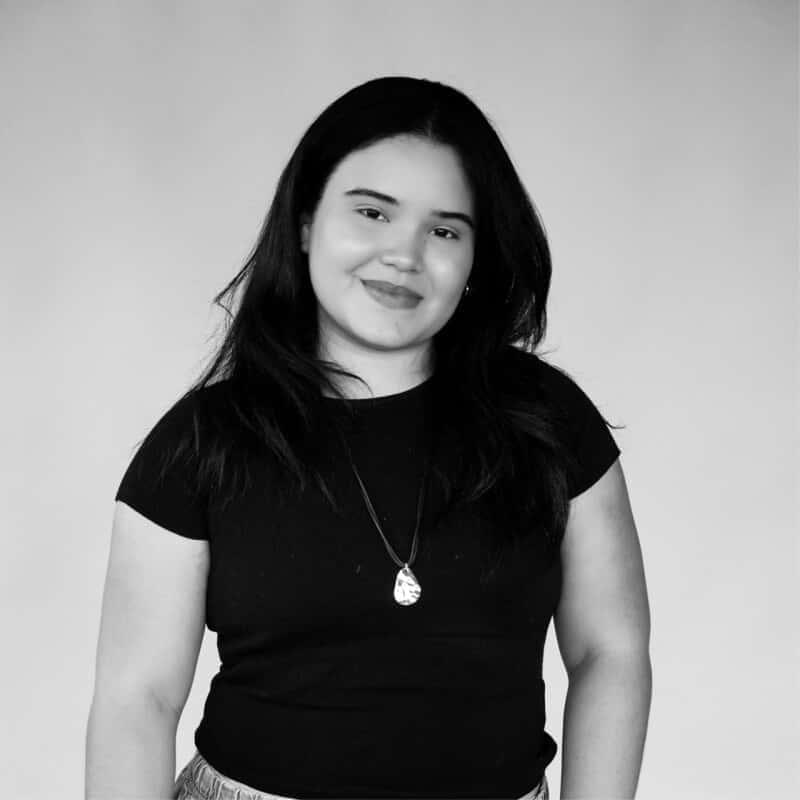
I learned this firsthand when I co-founded Hermanas Vermont, a bilingual affinity group for Latinas in Burlington. Vermont is one of the least racially diverse states in the country, which meant that building something intentional was necessary. What started as a small gathering grew to over 150 members, not because we had the biggest budget, but because people were hungry for a room where they did not have to translate themselves.
That hunger exists in every city. And it has a framework behind it.
This Is What Intersectionality Means For Professional Women
The term intersectionality was coined in 1989 by legal scholar Dr. Kimberlé Crenshaw to describe how overlapping identities, including race, gender, and class, do not operate independently but create compounding forms of discrimination. As Dr. Crenshaw explained in a Columbia Law School article, “Intersectionality is a lens through which you can see where power comes and collides, where it interlocks and intersects. It’s not simply that there’s a race problem here, a gender problem here, and a class or LGBTQ problem there. Many times that framework erases what happens to people who are subject to all of these things.”
Generic professional spaces rarely account for this. When they do not, the cost is real. According to the Institute of Women’s Policy Research’s latest fact sheet, in 2023, “Latinas working full-time year-round earned just 57.8 cents per dollar compared to White men, while all Latinas with earnings made only 51.3 cents. At that pace, pay equity will not be reached until 2338 for Latinas working full-time year-round and 2198 for all Latinas with earnings.” That is not a gap that a standard women’s networking event can close. It requires spaces built with that specific reality in mind.
The Blueprint For Building Your Own Space
Define Who The Space Is Actually For
Generic “women in business” groups frequently default to the experiences of the majority. The more specific you are about who you are centering, the more people will feel genuinely seen rather than loosely included. Name the intersection. Do not soften it!
Prioritize Accessibility From The Start
True intersectionality considers socioeconomic barriers. Keep memberships low-cost or sliding-scale, choose centrally located meeting spaces, and offer hybrid options where possible. At Hermanas Vermont, our gatherings tend to be free and public meetups with no agenda and no entry fee. That trust became the foundation for everything that followed.
Shift From Networking To Mutual Aid
The most lasting spaces move beyond surface-level connection into active resource sharing: job leads, salary transparency, mentorship matching, and referrals. That kind of tangible support is what keeps people coming back.
Organizations Leading This Work Across The Country
If you are looking to plug into an existing community or model your own after what is already working, many of the strongest examples come from Latina-led communities building intentional spaces for connection, leadership, and mutual support.
The Latinista operates as a national network for Latinas and women of color with active chapters in New York City, Chicago, Miami, and Los Angeles. Founded by Yai Vargas, the network focuses on career and leadership development through skill-building workshops and hands-on professional programming, and as the Hispanic Executive reported, Vargas built it specifically to help Latinas find stability and equity in the workplace.
In California, Hispanas Organized for Political Equality, known as HOPE, centers civic leadership alongside professional development, while ##WeAllGrow Latina is “a digital and IRL lifestyle community of impactful Latinas and Femme-Latinas who support and uplift each other.”
In the Midwest, the Midwest Mujeres Collective, led by founder Araceli Esparza, is a nonprofit mentorship collective for Latina and Black women entrepreneurs. The organization uses storytelling and community building to help women of color close the wage gap and grow their platforms.
Building an intersectional community is an ongoing practice of listening, adapting, and stepping back to let others lead. By planting these seeds in your city, you plant the seeds of community support, growth, and a sense of belonging.