
Rebuild Your Budget After A Summer Of Overspending





There should be a summer allowance given by the government as a gift specifically for summer. Although this is wishful thinking, just think about what you could do with a summer stipend: shopping, trips, fresh veggies, juicy fruits; the ways a dollar can fold are unlimited.
Unfortunately, the real world calls for responsibility, but sometimes the summer calls for a good time. If you’re looking for ways to replenish your funds and budget now that fall is approaching, Her Agenda has gathered some tips to get you back on track.
Calculate Essentials And Cut Back
Making a list of bills and due dates can be a great starting point for rebuilding. Unexpected expenses can definitely be a major setback, but allowing yourself to see what’s most important will set things into perspective. This may also include scaling back on luxuries.
According to Arkansas Money and Politics (AMP), first take a close look at your budget and see where you can cut back on unnecessary expenses. Eating out, cable TV, and gym memberships are all nice to have, but they’re not essential. By cutting back on these non-essentials, you can free up some extra cash to put towards your unexpected expenses.
Use Cash Instead Of Cards
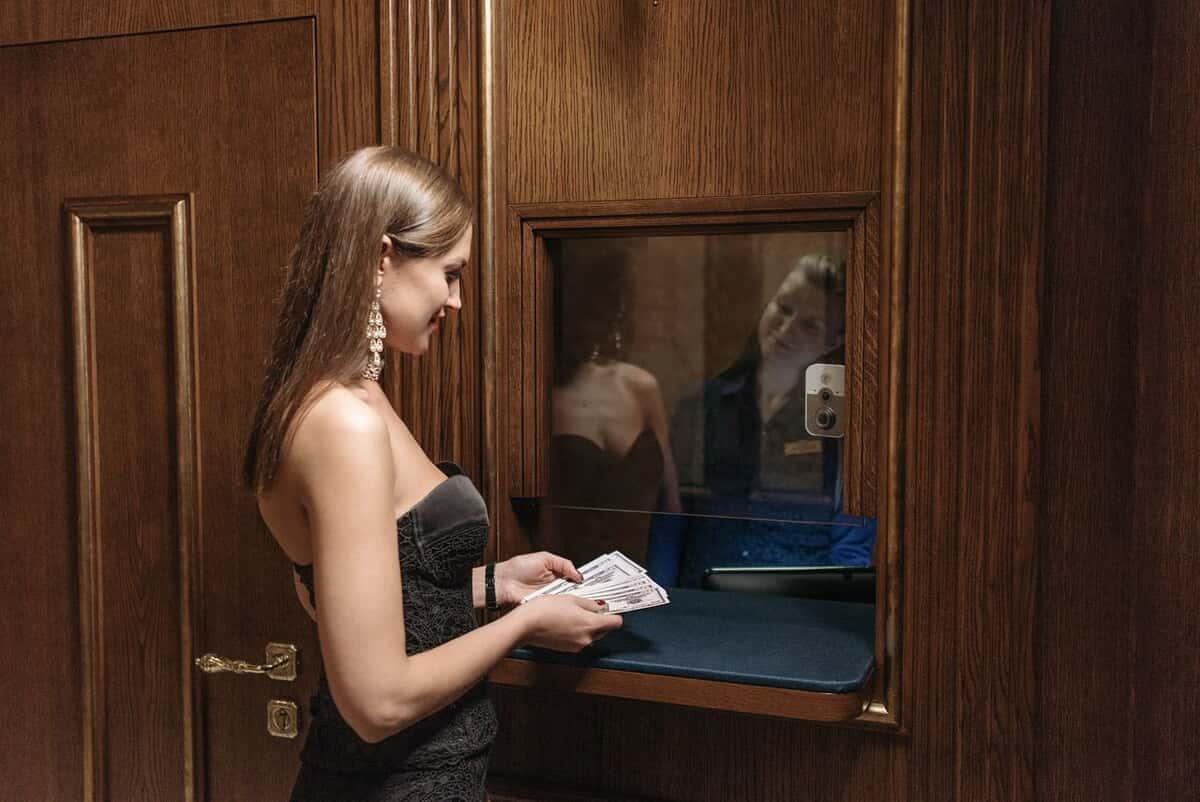
According to Today, if you’re having a hard time putting down the credit card, take it out of your wallet entirely and opt for a cash diet. You can only use cash during your diet and, psychologically, we have a different relationship with physical money than with a credit card. Make sure you track your spending carefully, as you won’t have a statement to go over as you do with a card. If you hang onto your receipts, you can track everything at once too.
This is a great technique to adopt because you are able to see the money physically depleting, which will make you rethink purchases (especially unnecessary purchases). Holding yourself to a budget will also help you cut back and save.
Create/Rebuild An Emergency Fund
If you don’t have an emergency fund, or emptied it entirely, start to replenish slowly. In these times, people don’t have money to save, but starting small and slow will prove to be beneficial in the long run.
AMP suggests aiming to set aside at least $50 per month into your emergency fund, and try to build it up to 3-6 months’ worth of living expenses. That way, if you experience a job loss or unexpected medical bills, you’ll have some cushion to fall back on.
If you’re struggling to come up with the funds to start building your emergency fund, consider setting up a budget and cutting back on non-essential expenses. You may also want to consider picking up a side hustle to boost your income.

Forgive Yourself And Treat Yourself (Modestly)
Just because you overspent for the summer doesn’t mean that you should be hard on yourself and omit all things that bring joy to your life. Whether the overspending came from fun or unexpected home or car care, forgive yourself. It happened, and you can’t punish yourself for the past. Leave room in your budget for small weekly treats, but stay mindful.
According to Business Insider, a budget is a guide, but no one has it down 100%. The best way to prevent future overspending is to have a plan and check in on your spending on a regular basis. By knowing where your money is going, you can make adjustments in real time instead of waiting for the end of the month to realize you overspent.