The Co-CEO Revolution And Why Shared Power Is The New Executive Standard For Women





Could it be true? Are two minds really better than one? There is a growing trend. The boards of directors of profitable companies are opting to have two people fill the role of CEO, rather than the traditional one-person model. Several factors are the cause of this new trend. A few positive results of having two leaders include slower burnout, increased collaboration, more flexability and greater diversity.
A Harvard Business Review has shown that the average tenure of a CEO has been decreasing year after year. This information has been convincing enough for leadership to take a second look at the current C-Suite structure. Not only does having two leaders reduce the workload, but it also increases profits. The average company with one CEO yields roughly 6.9% returns for shareholders while companies with two CEOs yield around 9.5%, according to an article by Russell Reynolds , a global leadership firm.
A Real Life Example
According to Marie Claire, Shan-Lyn Ma cofounded Zola in 2013 and has since raised $150 million in venture capital and hired more than 200 employees for her modern wedding-planning company. Earlier in 2022, she appointed Rachel Jarrett, a former co-worker at Gilt Groupe, as co-CEO.
Ma says Jarrett’s promotion—previously she served as COO—was a natural move to reflect the role she had already been playing. “Either one of us is capable of being a successful CEO on our own, but every day we choose to work together as partners, and we recognize that we and the business are made stronger because of that,” said Ma in an interview.
More Flexibility And Less Burnout
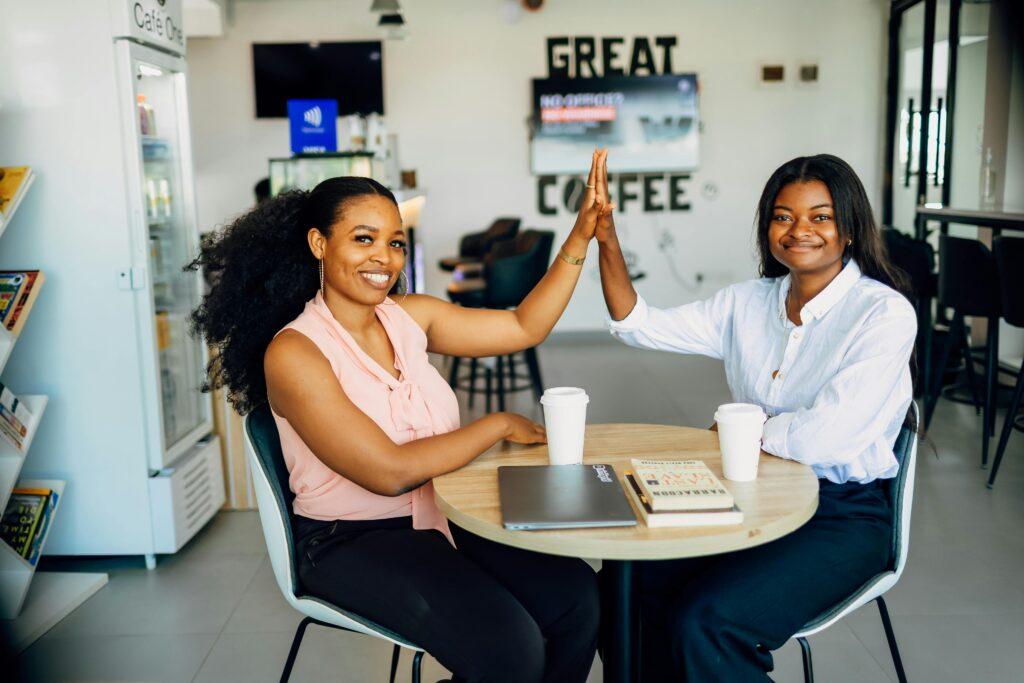
Women in the workforce require more flexibility. The co-CEO model allows for two individuals to share the workload that was previously on the shoulders of one individual. This new model not only offers flexibility in shared responsibility but also the potential for a more hybrid model of the role.
With wellness and self-care at the forefront of the future, companies are acknowledging the importance of work-life balance and the high demands required of leaders in the C-suite. Shared responsibilities mean more capacity. While less stress equates to higher performance and greater results for the organization.
Diversity In Skills And Talent
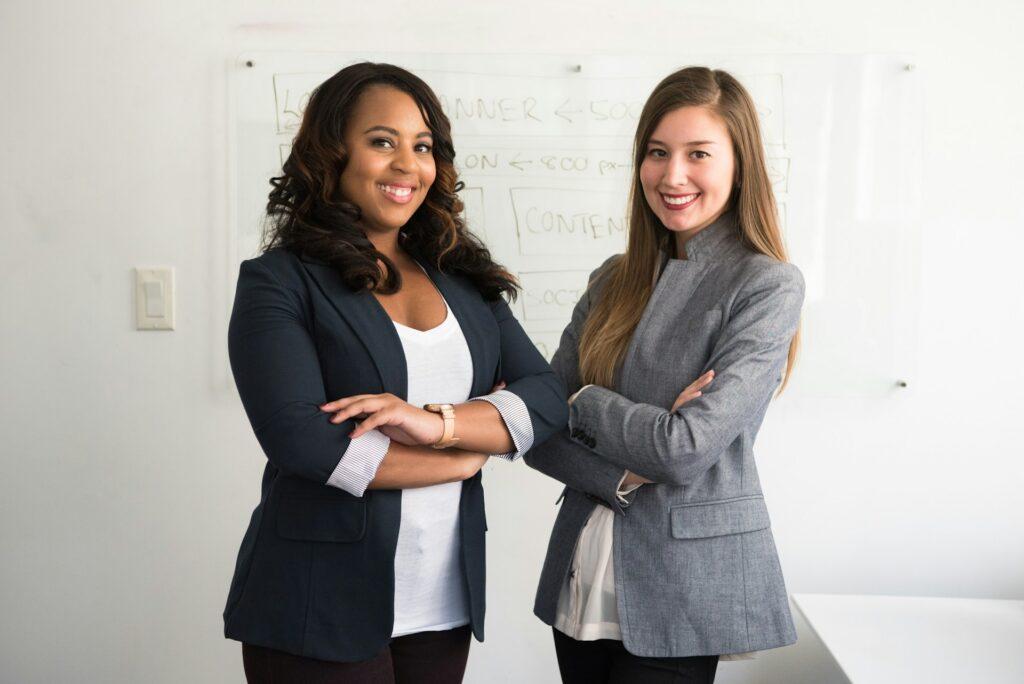
There is a declining commitment to gender diversity in the workplace. The new revolution of the co-CEO is an opportunity for women to advance within companies and create pipelines for the career advancement of others. The co-CEO model allows for two individuals with two completely different strengths to offer a multitude of different skills, all while working toward a common goal.
The co-CEO model is growing in popularity and changing the way leadership is viewed. Having two people share responsibility, share influence, and contribute to the upward mobility of a company is being adopted across several industries. This shift in thinking is making way for more women in the workplace, according to an article in Forbes.
Succession Planning And Talent Retention
An often overlooked perk of a co-CEO leadership structure is succession planning. A co-CEO model allows the existing CEO time and space to properly transition duties and responsibilities while sharing existing processes and culture. Another great perk is the retention of talent. Companies are not forced to choose one candidate and phase out the other. An organization can keep both qualified contenders and have the best of both worlds.
Change Is Good, Success Is Better
Although the idea of what or who fills the position of Chief Executive Officer is evolving, the impact and importance of the role remain the same. The title of Co-CEO still has weight and power, and as luck (and strategy) would have it, the crown now comes in a matching set and just happens to be a little-bit-lighter. Women across different sectors are setting a new executive standard with the co-CEO revolution.