The History Of Women Reclaiming Public Spaces For Safety

Photo by LinkedIn Sales Solutions on Unsplash




Every woman has probably at least once thought to herself, “I wonder what it’d be like with no men around?” Because the pay gap, misogyny, and downright violence can make the weight of being a woman heavy.
If you’ve thought about men leaving you alone, you’ll be happy to know that woman-centric spaces are becoming more popular. Between fitness, the arts, education, and more, women are realizing how much they need each other and are finding the capital to invest in ensuring women have safe spaces curated just for them.
Higher Education
Since the 18th century, all-women’s schools have dedicated themselves to educating women. This is special because, at the time, women’s knowledge wasn’t valued, and they were often shunned from education. Barnard, Bennett, Bryn Mawr, Scripps, Smith, Spelman, and more are institutions that have spent decades cultivating safe and enriching educational experiences for young women. Spelman College’s mission statement emphasizes the importance of these values.
“Spelman College, a historically Black college and a global leader in the education of women of African descent, is dedicated to academic excellence in the liberal arts and sciences and the intellectual, creative, ethical, and leadership development of its students.”
Fitness
In recent years, there’s been an uptick in women-only gyms. These spaces are dedicated to creating safe spaces for women to work out and feel confident without worrying about potential threats that can come from the male gaze. Femme Gym, based in NJ, says this about their purpose.
“We’re women that don’t compromise our privacy for our health. Femme is a support system that enables us to come together and share our collective experiences in pursuit of reaching the highest level of holistic wellness.”
Professional Spaces
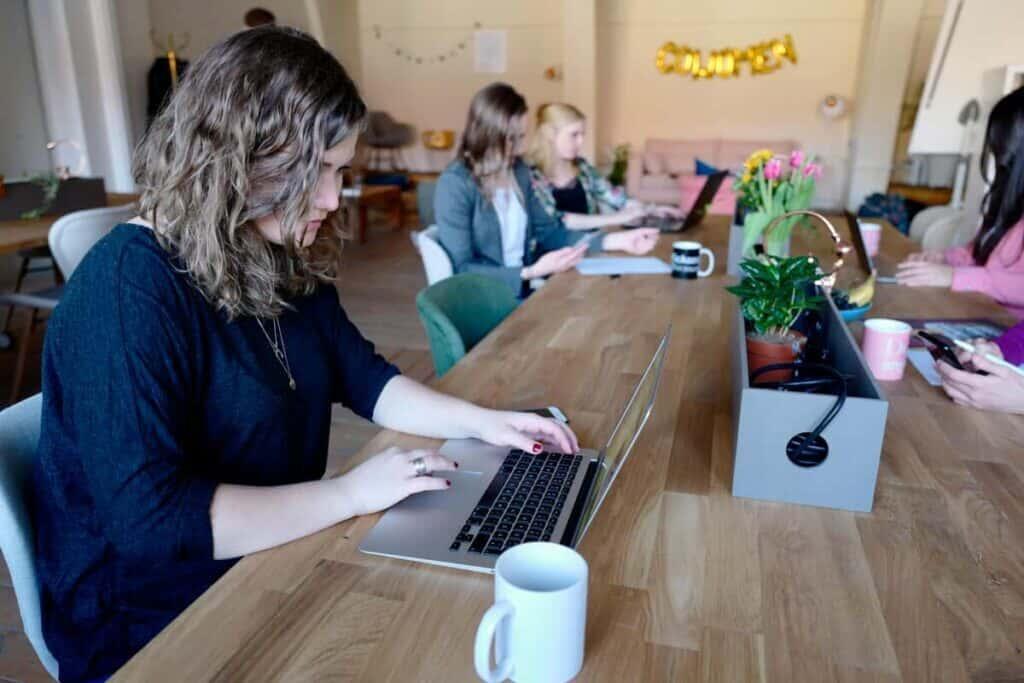
Corporate America is a notoriously difficult place for women. Between the pay gap and harassment in the workplace, trying to get ahead can feel at times impossible. Women’s professional groups can help women connect and lift each other up. The LOLA is a women’s coworking space in Atlanta that’s dedicated to “intentional inclusion.”
“At The LOLA, we are committed to creating a human-centered community that serves all women. This commitment is reflected in our values. We strive to create a better culture and system that benefits everyone, and we believe that is achieved by better supporting the most underrepresented.”
Book Clubs
Sharing the love of literature is something that women have been doing for a long time. But some women even exclusively read women-centered stories and authors in their clubs. Well-Read Black Girl is a virtual book club founded by Glory Edim that has now expanded into other community events to bring women together. Their mission is to uplift and promote Black women writers and challenge narratives surrounding them.
“Its mission is to provoke conversations around publishing, politics, and pop culture, and to amplify new work by African-American artists, from authors to activists to playwrights to policymakers. Using literature and storytelling as a tool for advocacy, specifically in the areas of mental health and gender equity, Glory works nationally to shift the narratives of Black girls and women in society.”
Outdoors
Exploring the outdoors is something that’s been male-dominated for a very long time. Camping, hiking, and backpacking traditionally are associated with men for a number of reasons, but a big one is safety concerns. Going into the wilderness often can be dangerous for women, with hikes being a notorious place where women go missing. But women-centered outdoor spaces are changing what people know to be true about venturing outside. Women Outdoors is an East Coast-based group dedicated to getting more women to explore nature.
“We are committed to creating an inclusive organization that is welcoming, supportive, and empowering of all self-identified women across all demographic categories, experiences, abilities, and backgrounds. We are all nourished by nature.”