
Using Zone 2 Training And Heavy Strength For Muscle Preservation





Balancing work, life, and personal goals can make fitness feel impossible, but staying strong and healthy can fit into your routine. With the right approach, you can protect muscle, boost energy, and support wellness. This method allows you to build a robust cardiovascular engine with low-intensity cardio while also developing the functional strength needed for long-term health. Combining Zone 2 training with heavy strength work offers a sustainable approach.
Targeting Heart And Muscle With Zone 2 Training
Zone 2 training works at a medium intensity. It is easy enough to sustain, but strong enough to challenge your heart and muscles. It promotes fat burning and endurance through things like cycling, jogging, or brisk walking. This training supports heart health, boosts oxygen use in muscles, improves your metabolism, and aids circulation.
Simple, consistent, and manageable, Zone 2 helps maintain the muscle and endurance you need for a busy life. It also triggers key muscular adaptations that prepare your body for future workouts.
Zone 2 workouts may feel easy, but they provide steady energy and help delay fatigue. These low-impact exercises also protect your joints, since they require less impact than high-intensity exercises like burpees or sprints. For anyone prioritizing mobility, combining this endurance work with resistance training is highly effective, as lifting weights strengthens muscles and stimulates bone growth.
SOURCE: PEXELS
Preserving Strength And Supporting Mobility
Starting around age 35, your body loses muscle mass at a rate of about 0.5-1%, with strength dropping even faster. Without strength and mobility exercises, everyday movements become harder, making independence more challenging. Strength training can build muscle and resilience without adding bulk or stressing your joints.
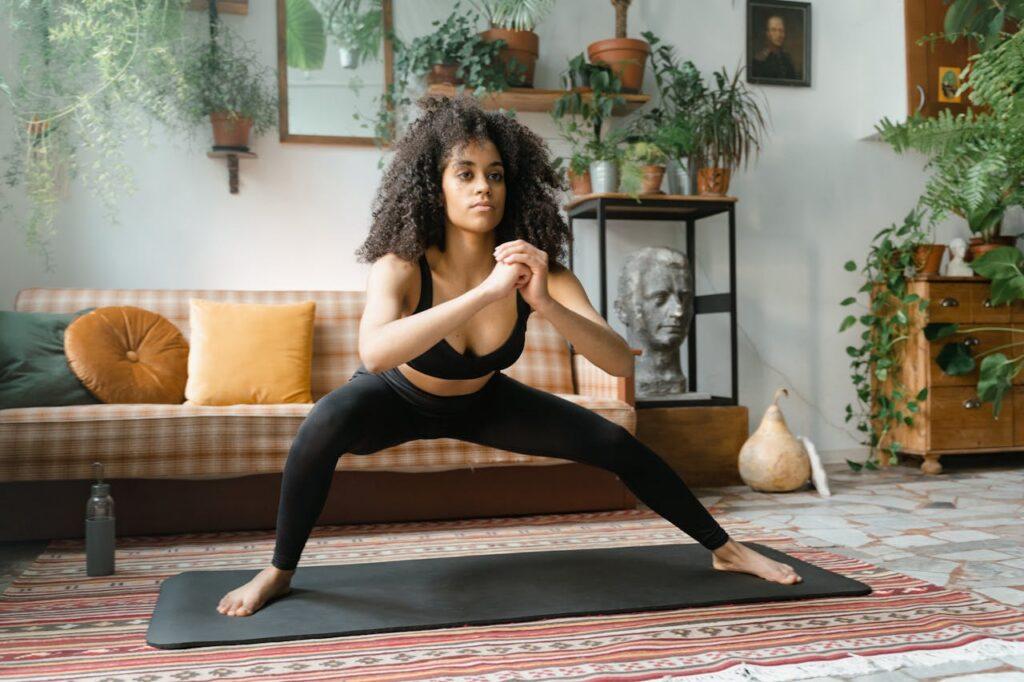
Everyday activities like squatting, reaching, and carrying become easier when you train for them. Women who strength train two to three times per week may lower their risk of heart disease. Strength training also supports bone health, boosts metabolism, improves mood, and enhances balance and posture.
According to certified personal trainer Mallory Fox, three resistance training days, two Pilates days, and one day of cardio every week create a balanced routine. Strength days can target the lower body, upper body, or whole body, while Pilates improves core and balance. Cardio supports circulation and mental focus. Fox notes this combination strengthens the mind-body connection, promotes consistency, and may improve bone density, lean mass, and metabolic rate.
SOURCE: PEXELS
Combining Heavy Strength And Zone 2 Training
Drawing on the findings about heavy strength and Zone 2 training, here are a few ways to combine two to three days of heavy strength training with two to three days of Zone 2 cardio per week.
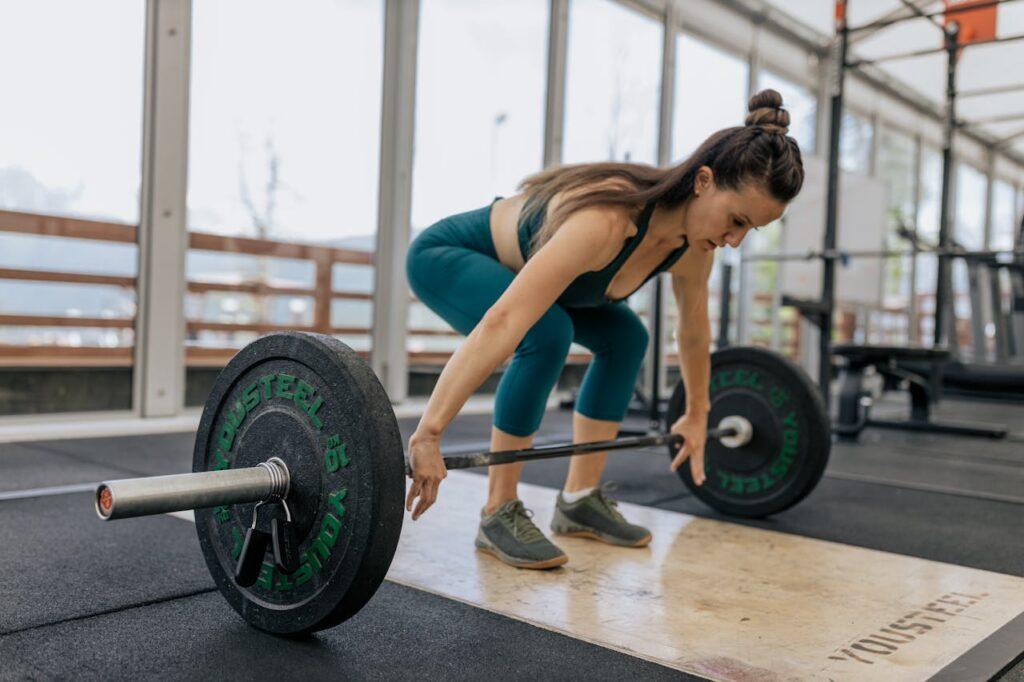
- Full-body workouts: Perform two to three full-body sessions per week on non-consecutive days. Focus on compound lifts, like squats, deadlifts, presses, and rows, doing six to 12 reps per set with a challenging weight.
- Upper-lower split: If you prefer to split your workouts, a two-day plan can work well. On day one, focus on your lower body with squats, Romanian deadlifts, split squats, and core work like planks. On day two, work on your upper body with bench presses, rows, pull-downs, and kettlebell swings.
To integrate your Zone 2 cardio, perform two to three 30-45 minute Zone 2 cardio sessions, such as brisk walking, jogging, or cycling, on your non-lifting days. You can also add one active recovery day with light yoga or mobility work to keep your body moving.
Stay Strong, Steady, And Independent
Combining Zone 2 cardio with heavy strength training preserves muscle, strengthens bones, and supports long-term health. It builds lean muscle, improves recovery, and keeps energy levels high for a busy life. By reinforcing everyday movements, this approach helps you stay strong, confident, and independent without long gym sessions.