Why Every High-Achieving Woman Should Prioritize Creative Hobbies

SOURCE: PEXELS




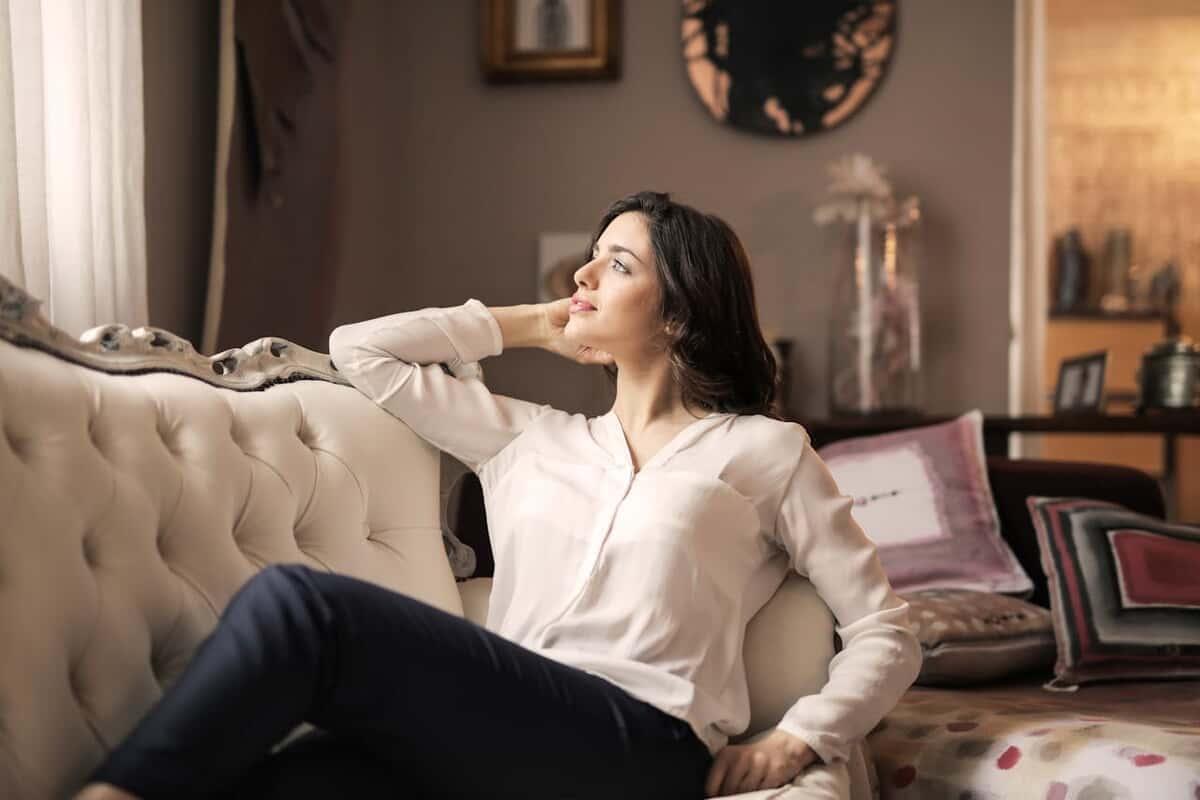
If you’re looking to try a new hobby in 2026, don’t hesitate. The importance of creative hobbies for professional women is sometimes overlooked, but they come with many benefits.
Creative hobbies have been proven to improve neuroplasticity. The Oxford Language Dictionary defines neuroplasticity as “the ability of the brain to form and reorganize synaptic connections, especially in response to learning or experience or following injury.” In short, it refers to your brain’s ability to adapt to new situations and apply what you’ve learned to new scenarios. Improved neuroplasticity means fewer signs of cognitive aging. Furthermore, for professionals, it can help with problem-solving and adaptability in the workplace.
SOURCE: PEXELS
Resist the urge to monetize your hobby. You should consider your hobby an act of intrinsic motivation. For a lot of entrepreneurial women, there’s a tendency to capitalize on what they do best. It’s how you got to where you are. However, to get the most benefits, enjoy that there is no potential risk.
Because they come without risk, the low-stakes nature of creative hobbies prevents burnout and can build emotional resilience. The frustration you feel when you fail to master something right away may actually be good for you. The personal growth you see while doing these hobbies and reaching a new milestone can improve self-esteem and keep you feeling fulfilled and satisfied. Overall, it tends to boost productivity and is proven to relieve stress and build community.
Over the years, hobbies have remained a necessity for many successful women.
Michelle Obama has tennis. Oprah has a garden. And whether you’ve been newly promoted or recently launched your latest business venture, every high-achieving professional woman should prioritize creative hobbies. Here are some ideas to help you brainstorm your latest creative endeavour.
Art Hobbies
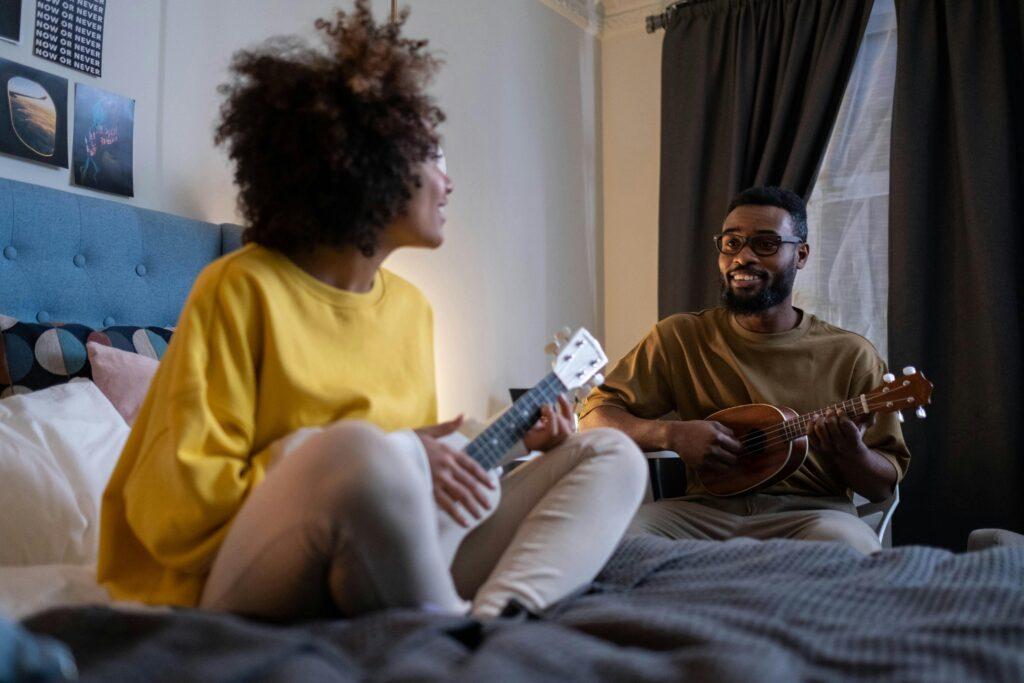
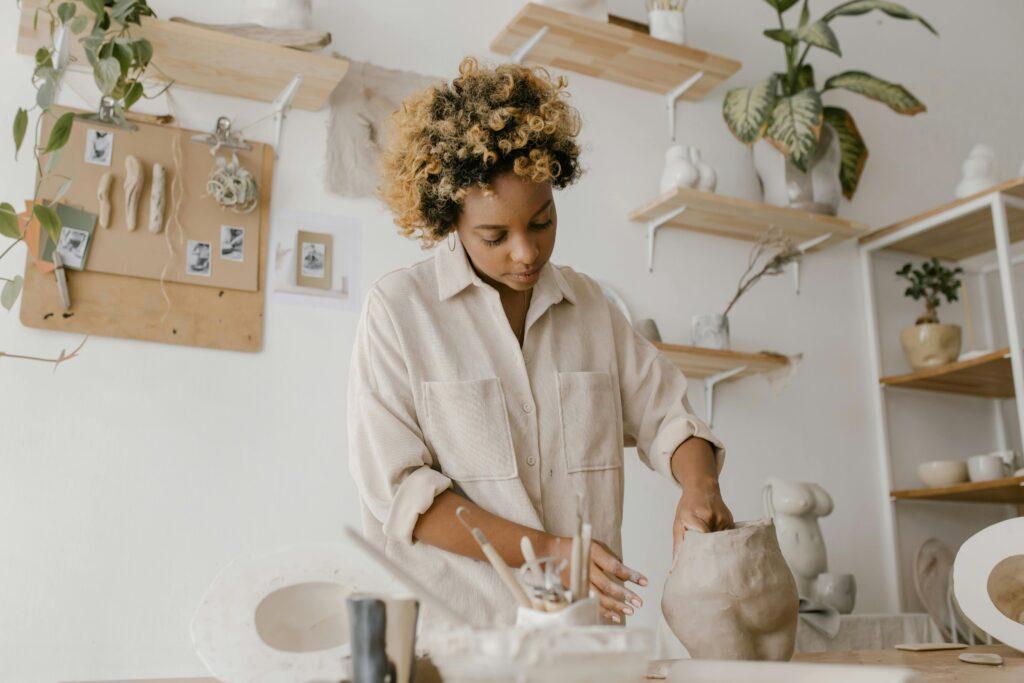
These are the traditional hobbies most people think of. This includes things such as painting, photography, and playing an instrument. A lot of these hobbies utilize fine motor skills, and may be one of the first hobbies you gravitate towards. This is the perfect way to rekindle an old love you had as a child or venture out into new territory. More examples of these are jewelry-making, pottery, sculpting, embroidering, creative writing, and scrapbooking.
Physical Hobbies

SOURCE: PEXELS
These are the hobbies to get your body moving. Physical hobbies include yoga, martial arts, and dancing. Bonus points if you are able to incorporate being outdoors in one of these hobbies. For example, you can try gardening flowers or vegetables, or going on a hike on a nearby trail. According to the Columbia University Irving Medical Center, getting Vitamin D will boost your immune system and help with bone health. More physical hobbies include sports such as tennis or running, rock-climbing, and jump rope.
Indoor Hobbies
Indoor hobbies are perfect for the winter weather. They require less preparation time before the activity, and can be done in the comfort of home. Some of the easiest indoor hobbies to try are cooking, baking, or winetasting. These are activities many people do in their day-to-day already, with little to no barrier to entry. The focus is on elevating and indulging in food you may already eat.
Additionally, other indoor hobbies include playing board games, puzzles, woodworking, and knitting. Knitting has picked up steam recently as a “grandma hobby” that’s being discovered by younger generations.
SOURCE: PEXELS
Creative hobbies are applicable to the workplace. They reconnect us with curiosity and are a productive form of rest. Most importantly, they remind us that growth doesn’t always need to be monetized or taken advantage of. There is a joy brought forth with satisfying the motivation to do better for yourself without considering external factors. In a world that constantly demands a performance out of high-achieving women, this is where you reclaim your time and cater to your own needs, preventing burnout and exploring new creative expressions.