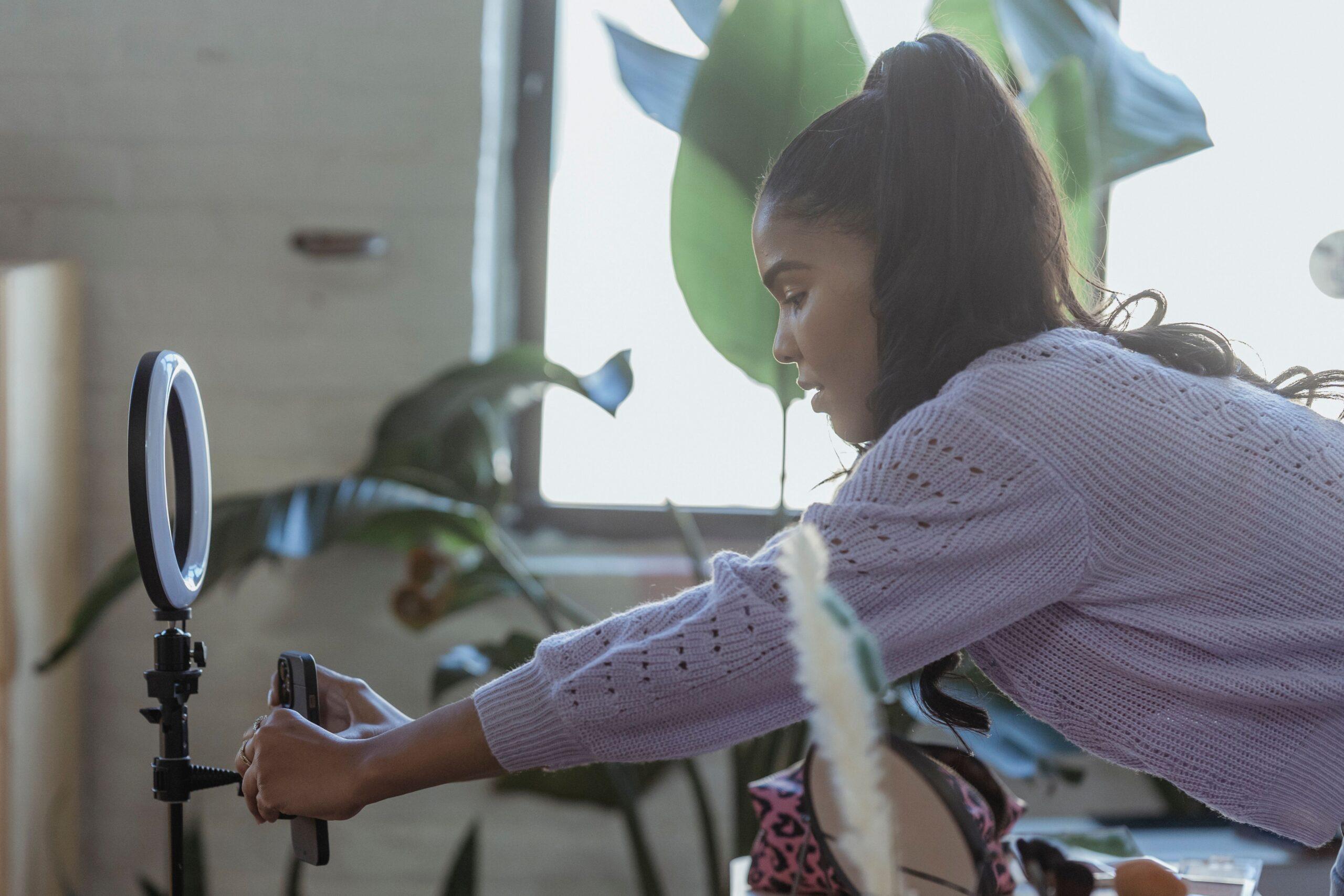
Why The Garden Studio Has Become The New Home Office For Working Women





Hybrid working was meant to be the big win of the last few years. More flexibility, fewer commutes, more time with family. Yet anyone who has spent a wet Tuesday trying to join a video call from the kitchen table, while the washing machine spins and the dog barks, knows the reality is a little messier. The home office dream has quietly collided with the home itself.
That is why a quieter trend is taking root at the bottom of British gardens. Instead of converting another bedroom or squeezing a desk into the living room, more professionals are stepping outside and working from a purpose-built room in the garden. These garden studios are no longer the pebble-dashed sheds of the nineties. They are fully insulated, year-round workspaces with proper lighting, heating, and a door that actually closes on the day job.
A Room Of One’s Own, Just Beyond The Back Door
The appeal is easy to understand when you think about how the home has been asked to multitask. In most households, the same space is now a school, an office, a gym, and a social hub. For women who already carry the bulk of the mental load at home, the lines between work and everything else can become impossible to draw.
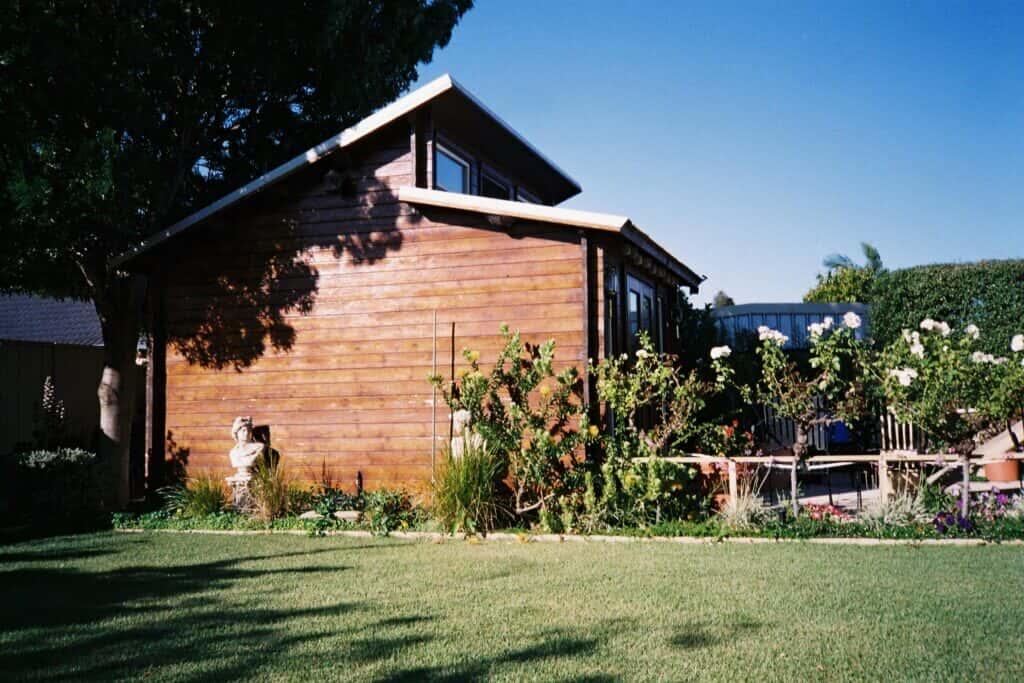
A standalone studio changes the geography of the working day. The short walk down the garden path sounds minor, but psychologists have long pointed to the value of a “third space”, somewhere that is neither fully home nor fully work. A garden room creates exactly that. You shut the door, you focus, and when the laptop closes at six, you leave it there.
Wellbeing, Without the Wellbeing Jargon
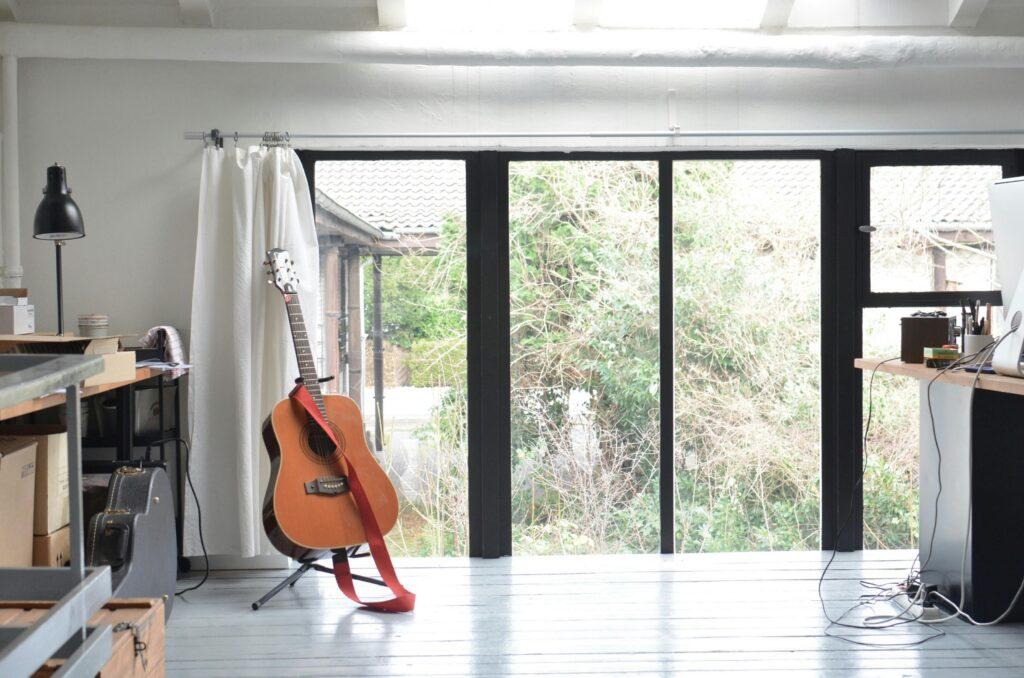
There is also a quieter well-being argument. Natural light, a view of greenery, and a few meters of distance from domestic noise all have a measurable effect on concentration and mood. A well-designed garden workspace delivers all three almost by accident.
It is no coincidence that the most popular uses for these buildings now stretch beyond work. Many owners use them as yoga studios before the working day begins, as reading nooks at the weekend, or as quiet retreats when the house is full. Some divide the space in two: half workspace, half personal sanctuary.
Practical Before Pretty
For anyone considering one, the practical side matters more than the Pinterest board. Planning permission is often not required under permitted development rules, provided the building sits within certain size and height limits, but it is always worth checking with the Planning Portal before committing. Insulation, ventilation, and proper foundations are what separate a building you can use in January from one that gathers cobwebs by October.
Costs vary widely. Standardized models tend to be faster and more affordable, while bespoke designs allow for touches such as vaulted ceilings, shower rooms, or integrated storage. Most suppliers now offer composite cladding that needs no repainting, which is a small but welcome detail for anyone short on weekends.
More than a Lockdown Hangover
It would be easy to dismiss the trend as a lockdown hangover, yet the numbers suggest otherwise. Estate agents increasingly list garden rooms as a desirable feature, often adding value rather than simply recouping the cost. For growing families, they can also delay the need to move house altogether.
Perhaps the most telling shift is cultural. A few years ago, the question was whether a garden building was worth the outlay. Today, the question is whether the house itself can really support modern working life without one. For many professional women juggling careers, caring responsibilities, and the faint hope of a lunch break, a well-designed garden studio is not an indulgence. It is simply a better boundary, and one that happens to come with a view.
This article originally appeared on Your Coffee Break. Written by Olivia Hunter.