What Do Adult Students Wish They Knew Before Starting Online School?





Going back to school is a major power move for professional women. It can help you upskill for a promotion, pivot to another industry or future-proof your career. However, the reality of online learning is often different from the glossy brochure. Juggling your studies, career and personal life comes with challenges. Here’s what you need to know to regain your equilibrium as you work toward a new level of personal and professional growth.
Your Calendar Isn’t Only For Deadlines
The listed “four to six hours per week” of online courses is a baseline, not the full picture. Consider the hidden time commitments, such as the time spent coordinating a group project or needing an extra hour for research because the sources you found were behind a paywall.
Ensure you still have time for yourself with defensive calendaring. Block off nonnegotiable personal time first, such as an hour for workouts or dinners with your partner. Fit work and school tasks into the remaining slots to prevent academic creep from taking over every free moment.
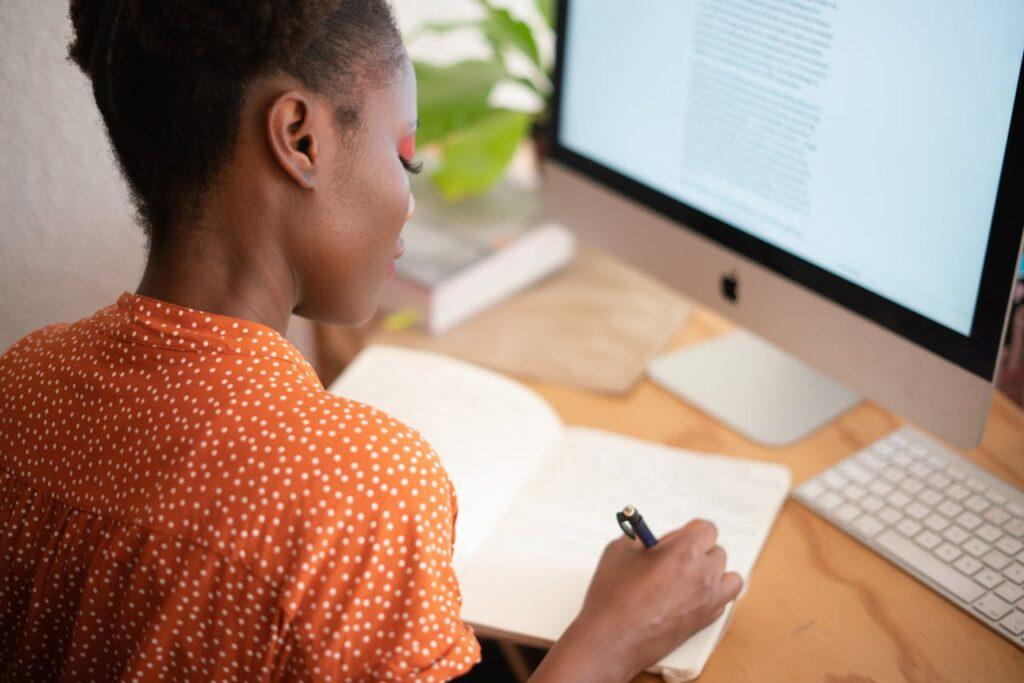
Think twice about multitasking while studying. Listening to a lecture while responding to work emails may seem productive, but switching contexts can mentally drain you and lead to poor retention. Indiana Cooper emphasizes the importance of having a serene space at home for dedicated studying time.
SOURCE: PEXELS
The IT Help Desk Is Your Friend
The fantasy is logging into a sleek, intuitive platform. The reality may include a clunky interface, broken links and confusing submission portals. Many wish they’d known to treat their online school’s technology as a new tool they need to master, separate from the course content itself.
Before your first day, familiarize yourself with the system. Log in and explore everything. Find the syllabus, discussion board, grade center and virtual library. Learn how to contact IT. Knowing who to contact when an exam submission fails is critical.
The On-Campus Experience Isn’t Gone
Learning online can come with loneliness. Going from a collaborative workplace to studying alone in your home office can be jarring, and many wish they knew that community doesn’t happen automatically. Brittney Jones, a 29-year-old entrepreneur, said having an accountability partner helped motivate her during her program. Even check-in messages or supportive texts can keep you going.
While asynchronous learning offers more freedom, with prerecorded videos and a work-at-your-own-pace approach, some students wish they had opted for synchronous options. Real-time sessions with instructors and small class sizes, which facilitate more personal interactions, are among the many benefits of synchronous courses. The format also provides immediate feedback, which is a game-changer for complex topics.
You may not get the on-campus experience from online courses, but you can build it over time. On day one, send a study group invite to the class forum to get the ball rolling. When you meet someone insightful, connect with them on LinkedIn. Consider hosting virtual coffee chats with your classmates to discuss challenging concepts.

SOURCE: PEXELS
‘Good Enough’ Is Good Enough
Most professional women feel the pressure to excel in every area of their lives. They’re used to going above and beyond for everything, and in online school, that’s a recipe for burnout. The secret to avoiding this is strategic energy allocation.
Not all coursework is created equal, and you might wish you knew not to spend four hours on a weekly discussion post worth 1% of your final grade. Analyze the syllabus to determine the high-stakes assignments and focus your energy on them. Set realistic expectations to avoid feeling overwhelmed.
Self-care is a core academic strategy, not an indulgence. Skipping a workout to cram for an extra hour may sound productive, but the resulting brain fog can make your study time less effective. Eating foods that nourish both your mind and body, such as berries, salmon and walnuts, can also prime your brain for learning.
Lessons For Lifelong Learning
Online learning lets you absorb lecture content anywhere. In a world where job descriptions change fast, online education is also the ultimate hack for upskilling or making that career pivot you’ve been dreaming about. It’s how you get the credentials to snag that promotion or demand a higher salary.
Strategically manage your time, energy and expectations to succeed in your new environment. The decision to go back to school is daunting, but it’s also a powerful investment for your future self and career. Use this insider knowledge to take the leap with confidence and embrace your learning journey.