
Orthopedists Recommend These 4 Chair Stretches For Desk Workers





Eight hours at your desk shouldn’t mean ending the day with a stiff neck, tight hips, and the posture of a question mark. Orthopedists agree that a few targeted chair stretches can make a measurable difference in how your body feels and how well it functions during long workdays.
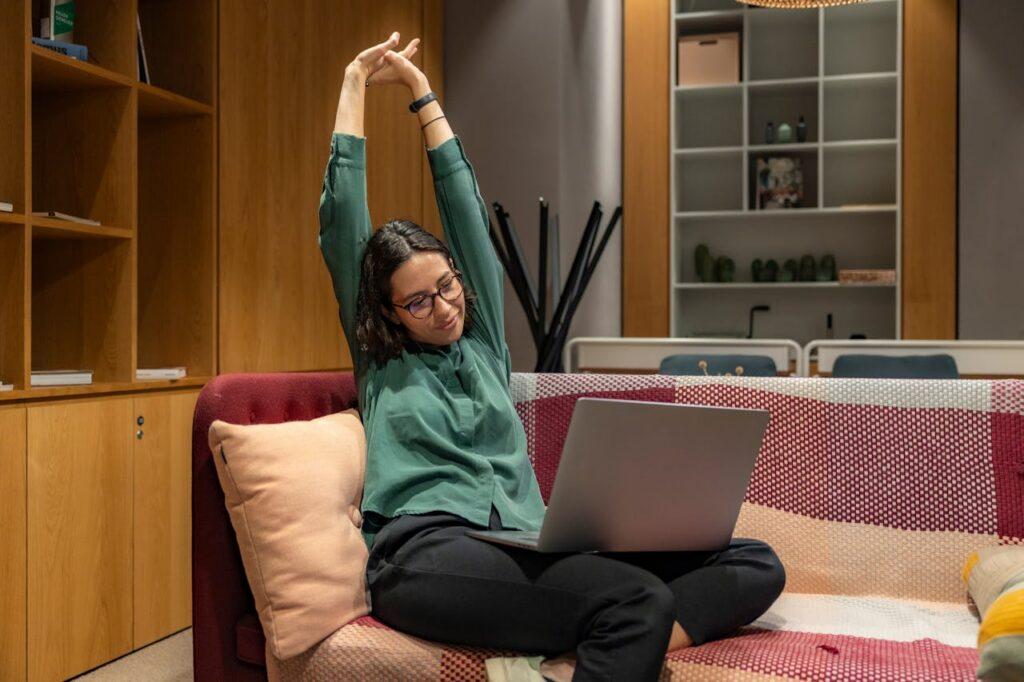
1. Seated Spinal Twist
Gentle spinal rotation can counteract stiffness from prolonged sitting. Gentle rotational movements help maintain spinal flexibility and reduce stiffness associated with sitting when performed within a pain-free range. Twists should always feel controlled, never forced, to protect the spine and surrounding joints.
How To Do It:
- Sit tall in your chair with both feet grounded.
- Place your right hand on the back of your chair.
- Next, place your left hand on your right thigh.
- Breathe in as you lengthen your spine, then breathe out while you twist to the right, with your hips still facing forward.
- Hold for 15–30 seconds, return to the center, and repeat on the opposite side.
SOURCE: PEXELS
2. Seated Neck Release
Gentle neck stretches can relieve tension caused by forward head posture and prolonged screen time. Orthopedists note that controlled neck mobility exercises, like a seated neck release, can help reduce stiffness and improve posture when performed throughout the day.
How To Do It:
- Sit upright in your chair with both feet flat on the floor.
- Let your shoulders relax away from your ears.
- Slowly tilt your head toward your right shoulder until you feel a mild stretch along the left side of your neck.
- Hold for 15–30 seconds while breathing steadily, then return to the center and switch sides.
3. Chair Hip Flexor Stretch
Orthopedists often flag hip flexors as a major contributor to lower back discomfort and poor posture. Orthopedic and sports medicine experts note that improving hip flexor flexibility can reduce strain on the lumbar spine and support healthier posture, especially for people who spend most of the day sitting.
How To Do It:
- Sit near the edge of your chair.
- Extend your right leg slightly behind you with your toes resting on the floor, while your left foot stays planted.
- Gently engage your core and shift your weight forward until you feel a stretch along the front of your right hip.
- Hold for 20–30 seconds, then switch sides.
4. Seated Chest Opener
Orthopedists often address rounded shoulders and forward head posture in desk workers, both of which place excess strain on the neck and upper back. A seated chest opener helps reverse that pattern by stretching the chest and front shoulder muscles. Posture-focused stretches that open the chest and shoulders can help relieve shoulder tension and reduce upper back strain caused by prolonged sitting.
How To Do It:
- Sit upright and clasp your hands behind your lower back.
- Straighten your arms slightly and lift your hands while opening your chest and drawing your shoulder blades together.
- Keep your chin level and avoid arching your lower back.
- Hold for 15–30 seconds while taking deep breaths.

SOURCE: PEXELS
How To Build These Stretches Into Your Workday
The benefits of stretching come from frequency, not perfection. Try pairing one or two chair stretches with natural transitions. While orthopedists are known for their surgical expertise, they often explore nonsurgical options first to address musculoskeletal issues. This demonstrates how much small, concise changes can make a long-term difference to your physical health.
Why Pain-Free Movement Is A Career Advantage
Work is likely a significant part of your life — some people even dream about work since dreams help you process the past day or two of your life. Caring for your body is a part of supporting your work goals.
Supporting your physical well-being is a foundational part of avoiding burnout and chronic stress-related fatigue. More than just comfort, posture, and mobility can impact your performance. Physical and mental well-being intersect with work identity, ambition, and long-term fulfillment.
Small Stretches, Real Alignment
Orthopedist-recommended chair stretches offer a practical, accessible way to care for your body without disrupting your workflow. When done consistently and safely, these movements help counteract the physical strain of desk work and support better posture, mobility, and comfort over time.